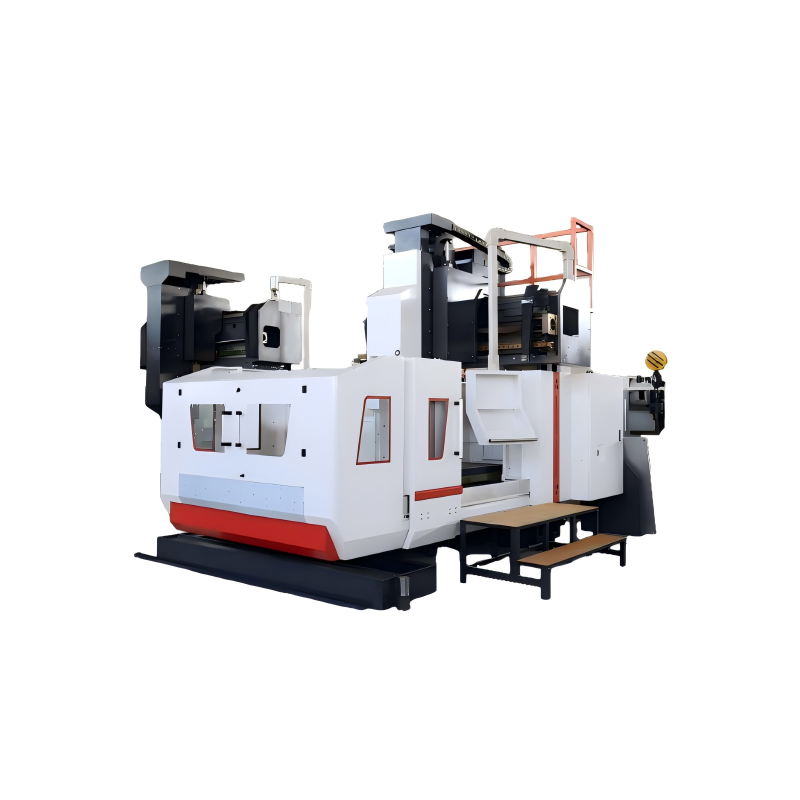
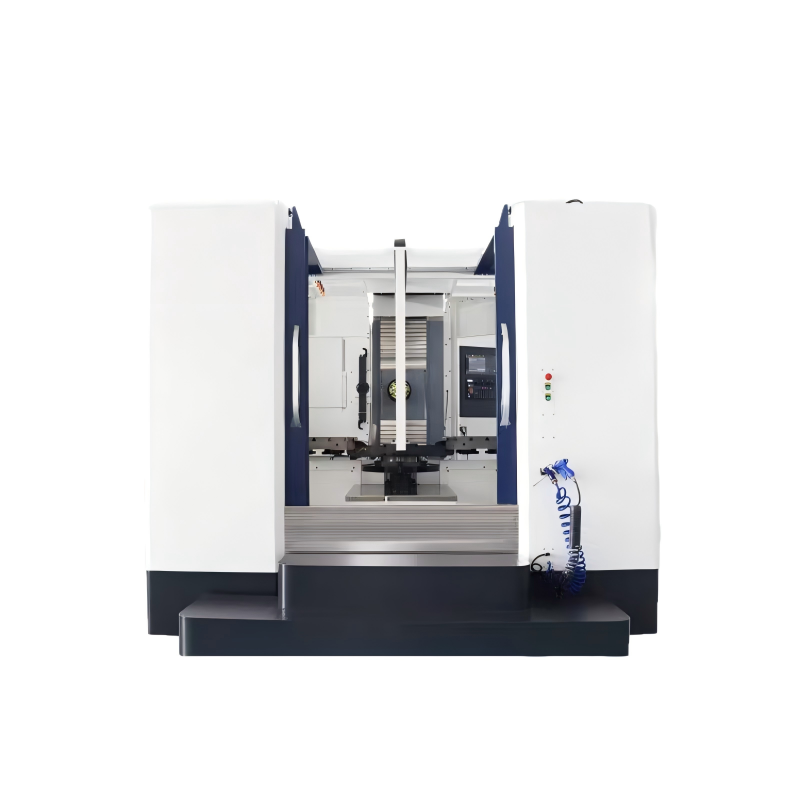
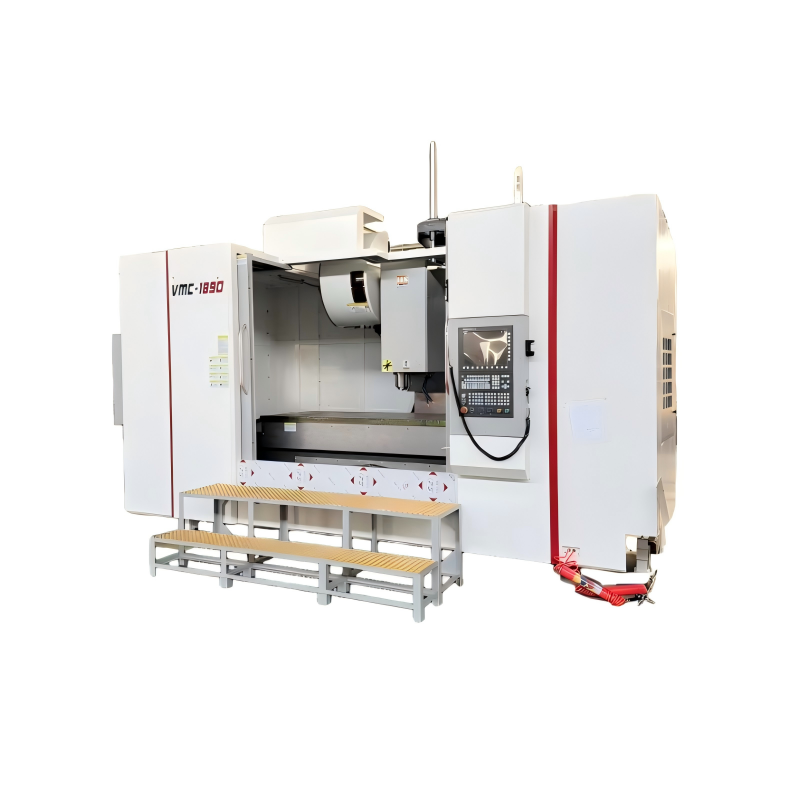
The field of manufacturing technology has witnessed significant advancements, particularly in the domain of vertical Machining Center lathe machines. These innovations not only enhance productivity and precision but also contribute to more sustainable and cost-effective operations. This report delves into some of the most notable advancements in Vertical Machining Center technology that are reshaping the industry.
One of the primary goals in the evolution of vertical machining centers is to achieve higher levels of precision and accuracy. Modern vertical machining centers have made substantial strides in this area, thanks to several key technological improvements.
Modern vertical machining centers are equipped with advanced control systems that utilize sophisticated algorithms and real-time feedback mechanisms. These systems can adjust the cutting parameters on the fly, ensuring that the tool path remains consistent and accurate. This level of control minimizes errors and improves the overall quality of the machined parts. For instance, the use of adaptive control systems allows the machine to automatically adjust feed rates based on the material properties and cutting conditions, resulting in smoother and more precise cuts.
High-resolution sensors play a crucial role in enhancing the precision of vertical machining centers. These sensors provide detailed feedback on the position, velocity, and force of the cutting tool, allowing for real-time adjustments. In addition, laser interferometers and other high-precision measurement tools are integrated into the system to ensure that the machine maintains its accuracy over time. This continuous monitoring and adjustment capability significantly reduce the risk of errors and improve the consistency of the machined components.
Another critical aspect of modern vertical machining centers is their ability to increase productivity and efficiency. Manufacturers are constantly seeking ways to reduce cycle times and optimize the use of resources, and recent innovations have made significant contributions in this regard.
Automated tool changers and pallet systems are essential features in today’s vertical machining centers. These systems allow for rapid and seamless tool changes, reducing downtime and increasing the overall throughput of the machine. Additionally, automated pallet systems enable the machine to process multiple workpieces simultaneously, further boosting productivity. The integration of these systems ensures that the machine operates at optimal capacity, maximizing the utilization of available resources.
High-speed spindles and advanced cutting tools are another key factor in enhancing the productivity of vertical machining centers. High-speed spindles can operate at much higher rotational speeds, allowing for faster cutting and reduced cycle times. Advanced cutting tools, such as coated carbide inserts and ceramic tools, offer improved wear resistance and longer tool life, reducing the frequency of tool changes and maintenance. The combination of high-speed spindles and advanced cutting tools results in a more efficient and productive machining process, enabling manufacturers to meet tight production schedules and reduce costs.
In addition to precision and productivity, modern vertical machining centers also focus on improving usability and maintenance. These improvements make the machines easier to operate and maintain, leading to lower operational costs and higher reliability.
Modern vertical machining centers feature user-friendly interfaces and software that simplify the programming and operation of the machine. Graphical user interfaces (GUIs) and touchscreens provide intuitive controls, making it easier for operators to set up and run the machine. Advanced CAM (Computer-Aided Manufacturing) software enables the generation of complex tool paths and the simulation of the machining process, allowing operators to identify and correct potential issues before they occur. This streamlined approach to programming and operation reduces the learning curve for new operators and minimizes the risk of errors during setup.
Predictive maintenance and remote monitoring technologies are becoming increasingly important in the maintenance of vertical machining centers. These technologies use data analytics and machine learning to predict when maintenance is required, preventing unexpected breakdowns and reducing downtime. Remote monitoring capabilities allow operators and maintenance personnel to monitor the machine's performance and status in real-time, even from a remote location. This proactive approach to maintenance ensures that the machine operates at peak performance, extending its lifespan and reducing maintenance costs.
In conclusion, the innovations in vertical machining center technology, including enhanced precision and accuracy, increased productivity and efficiency, and improved usability and maintenance, are transforming the manufacturing landscape. These advancements not only drive higher quality and productivity but also contribute to more sustainable and cost-effective operations. As the industry continues to evolve, we can expect to see even more exciting developments in Vertical Machining Center Lathe Machine technology.
 04/06/2026
In the world of manufacturing, a high-performance lathe machine, particularly when integrated into a vertical machining center (VMC), can significantly enhance productivity. This article will explore how to maximize productivity with such a setup, focusin
Read More03/06/2026IntroductionThe evolution of manufacturing technologies has significantly transformed the production landscape, with Vertical Machining Center Lathe Machine playing a crucial role in this transformation. These advanced machines have become indispensable t
Read More02/06/2026In the realm of manufacturing, the ability to customize machinery for specific tasks is a critical factor in achieving optimal performance and efficiency. This report delves into the customization process of a Vertical Machining Center Lathe Machine, focu
Read More31/05/2026In the world of manufacturing, precision and efficiency are paramount. Among the tools that have revolutionized this field, the Vertical Machining Center Lathe Machine stands out as a versatile and indispensable piece of equipment. This article aims to gu
Read More30/05/2026Introduction to Vertical Machining Center Lathe Machine The vertical machining center lathe machine, often abbreviated as VMC, represents a significant advancement in the field of precision manufacturing. Unlike traditional lathes, which are primarily use
Read More29/05/2026In the domain of manufacturing, the Vertical Machining Center Lathe Machine stands out as a critical piece of equipment for producing precision parts. Its efficiency and accuracy make it indispensable in numerous industries, from automotive to aerospace.
Read More28/05/2026IntroductionThe vertical machining center (VMC) is a pivotal tool in the realm of precision manufacturing, offering unparalleled accuracy and versatility. This report delves into advanced techniques that can be employed to maximize the potential of a Vert
Read More27/05/2026IntroductionWhen it comes to outfitting a workshop, selecting the right lathe machine is a critical decision. A lathe is an essential tool for turning, facing, drilling, and threading operations. This guide aims to provide a comprehensive overview of how
Read More26/05/2026Understanding the Core Capabilities of a Vertical Machining Center A vertical machining center (VMC) is an essential tool in modern manufacturing, offering unparalleled precision and versatility. By leveraging the full potential of your VMC, you can signi
Read MoreOur professional sales team is always ready to assist you.