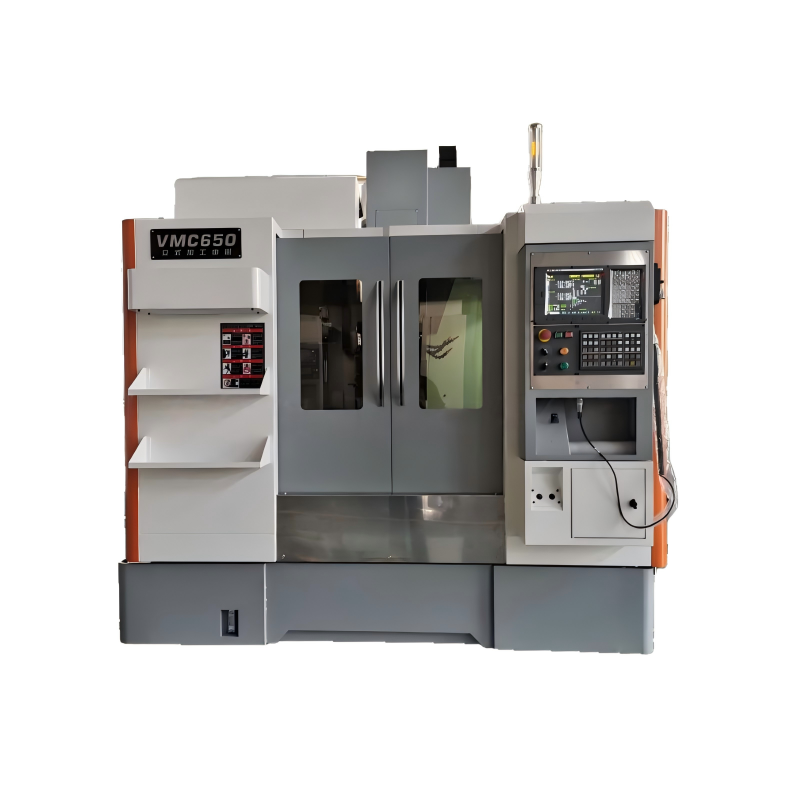
In the world of manufacturing, the reliability of a supplier is not just a preference but a necessity. When it comes to acquiring a Vertical Machining Center, this principle becomes even more critical. A Vertical Machining Center Supplier that stands out for its consistency and trustworthiness can significantly influence the productivity and efficiency of your operations. This section will explore how to identify and evaluate the reliability of potential suppliers, focusing on their track record, customer testimonials, and after-sales support.
Firstly, a thorough investigation into the supplier's history and reputation within the industry is essential. Companies with a long-standing presence and positive reviews from multiple clients over time are generally more reliable. It's also beneficial to check if the supplier has received any certifications or awards, which can be a strong indicator of their commitment to quality and service.
Secondly, don't underestimate the value of word-of-mouth recommendations. Speaking directly with current or past customers can provide invaluable insights into the real-world performance of both the machines and the supplier's support services. Ask about the supplier's response times, the helpfulness of their staff, and the overall satisfaction with the product. This direct feedback can often reveal details that might not be apparent through official channels.
Lastly, consider the level of after-sales support offered by the supplier. An ideal Vertical Machining Center Supplier should provide comprehensive training, regular maintenance schedules, and swift resolution of any issues that may arise. This ongoing support is crucial for ensuring that the machine operates at its best, minimizing downtime, and maximizing return on investment.
When selecting a Vertical Machining Center Supplier, it's imperative to assess their technical capabilities and the range of customization options they offer. The ability to tailor a machining center to meet specific operational needs can greatly enhance its effectiveness and integration into existing workflows. This evaluation should cover several key aspects: the precision and accuracy of the machine, its compatibility with different materials and workpieces, and the availability of advanced features such as automation and smart technologies.
Precision and accuracy are fundamental to the success of any machining operation. Look for suppliers who can provide detailed specifications and performance data for their machines. This information should include factors like spindle speed, axis travel, and positioning accuracy. Additionally, inquire about the types of control systems used, as these play a crucial role in determining the machine's ease of use and adaptability to complex tasks.
Compatibility with various materials and workpiece sizes is another critical factor. Ensure that the supplier offers a range of tooling options and can accommodate the specific requirements of your production processes. For instance, if you frequently work with hard metals or require high-speed cutting, the machine should be equipped with the necessary tools and settings to handle these demands efficiently.
Advanced features, such as automation and smart technologies, can further enhance the functionality and efficiency of a vertical machining center. Automation can reduce labor costs and improve consistency, while smart technologies, like predictive maintenance and real-time monitoring, can help prevent breakdowns and optimize performance. Discuss with the supplier what kind of advanced features they offer and how these can be integrated into your operations.
While the initial cost of a vertical machining center is an important consideration, it's equally vital to evaluate the long-term value and cost-effectiveness of the investment. A Vertical Machining Center Supplier that offers competitive pricing, flexible financing options, and a robust warranty can make a significant difference in the overall financial impact of the purchase. This section will delve into the key financial considerations and how to ensure that the chosen supplier provides the best value for money.
First, compare the prices of similar models from different suppliers. Be sure to account for all associated costs, including shipping, installation, and training. Some suppliers may offer bundled packages that include these services, which can sometimes be more cost-effective than purchasing them separately. Additionally, inquire about any discounts or promotions that may be available, especially if you are making a large order or have a long-term business relationship with the supplier.
Flexible financing options can also be a significant advantage. Many suppliers offer leasing or financing plans that allow you to spread the cost of the machine over a longer period. This can be particularly beneficial for businesses with limited upfront capital. Make sure to understand the terms and conditions of these plans, including interest rates and repayment schedules, to ensure they align with your financial goals.
A robust warranty is another key factor in evaluating the long-term value of a vertical machining center. A good warranty should cover both the machine itself and any accessories or additional components. It should also provide clear guidelines on the process for claiming repairs or replacements. A supplier that offers a comprehensive and easily accessible warranty demonstrates their confidence in the quality of their products and their commitment to customer satisfaction.
 24/06/2026
The Evolution of Vertical Machining CentersVertical machining centers (VMCs) have come a long way since their inception, evolving from simple drilling machines to highly sophisticated and versatile tools capable of performing a wide range of operations. T
Read More24/06/2026In the modern manufacturing landscape, the vertical machining center has become an indispensable tool for a wide range of industries. These machines offer unparalleled precision, versatility, and efficiency, making them a preferred choice for many manufac
Read More24/06/2026In the modern manufacturing landscape, vertical machining centers (VMCs) have become indispensable for producing complex and high-precision components. The selection of a trusted Vertical Machining Center Supplier is crucial for ensuring not only the qual
Read More23/06/2026Vertical machining centers are pivotal in the manufacturing industry, offering precision and efficiency that can significantly boost productivity. As a vertical machining center supplier, it is essential to understand how to maximize the potential of thes
Read More23/06/2026Understanding the Importance of Reliability in a Vertical Machining Center SupplierThe foundation of any successful manufacturing operation lies in the reliability of its machinery and the partners that supply it. A Vertical Machining Center (VMC) is no e
Read More23/06/2026When it comes to selecting the right vertical machining center for your manufacturing needs, a comprehensive understanding of the machine's capabilities, along with the support and expertise of a reliable vertical machining center supplier, is crucial. Th
Read More23/06/2026When it comes to selecting the right vertical machining center for your specific needs, a thorough understanding of the available options and their capabilities is crucial. This decision can significantly impact the efficiency, productivity, and quality o
Read MoreOur professional sales team is always ready to assist you.