In the realm of precision machining, mastering manual lathe machine operations is a foundational skill that opens up possibilities for creating intricate parts with high accuracy. This technical report aims to explore key aspects of operating a manual lathe, integrating insights on how advancements in machining technology, such as the Vertical VMC650, complement traditional techniques. By understanding these principles, operators can enhance their proficiency and adaptability in the ever-evolving manufacturing landscape.
Understanding the Basics of Manual Lathe Operations
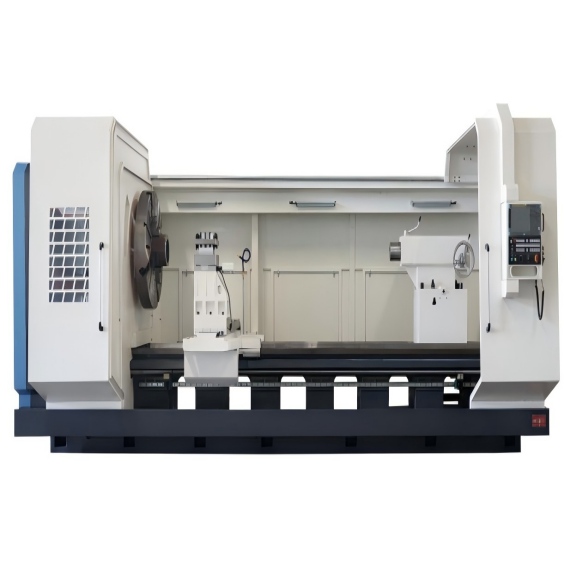
The foundation of effective lathe operation lies in comprehending the basic components and functions of the machine. A manual lathe typically consists of a headstock, tailstock, carriage, and tool post. Each part plays a crucial role in shaping the workpiece. For instance, the headstock houses the spindle, which rotates the workpiece, while the carriage moves along the bed to position cutting tools accurately. Understanding these elements is essential for performing tasks like turning, facing, and threading. Moreover, this knowledge forms a basis for appreciating more advanced technologies, such as the Vertical VMC650, where similar principles are applied but with greater automation and precision.
Enhancing Precision Through Proper Tool Selection and Setup
Selecting the right tools and setting them up correctly is another critical aspect of manual lathe operation. The type of tool, its geometry, and the way it is mounted on the tool post significantly affect the quality of the final product. High-speed steel (HSS) and carbide tools are common choices, each suitable for different materials and applications. Ensuring that the tool is properly aligned and secured is vital to prevent chatter, achieve consistent cuts, and maintain safety. In contrast, the Vertical VMC650 employs advanced tool changers and automated setup processes, which reduce the risk of human error and increase efficiency. However, the principles of selecting the appropriate tool and ensuring proper alignment remain fundamental, even in automated systems.
Mastering Speeds and Feeds for Optimal Performance
Controlling the speed at which the workpiece rotates and the rate at which the cutting tool moves (feeds) is crucial for achieving optimal results. The correct speeds and feeds depend on factors such as the material being machined, the tool material, and the desired surface finish. For example, softer materials generally require higher speeds and lower feeds, while harder materials benefit from lower speeds and higher feeds. Operators must develop a keen sense of these parameters through experience and practice. In the context of the Vertical VMC650, these settings are often programmed into the machine, but the underlying principles of determining the right speeds and feeds are still relevant. Mastery of these concepts allows operators to make informed adjustments when needed, ensuring that both manual and automated processes yield the best possible outcomes.
Integrating Modern Technology: The Role of the Vertical VMC650
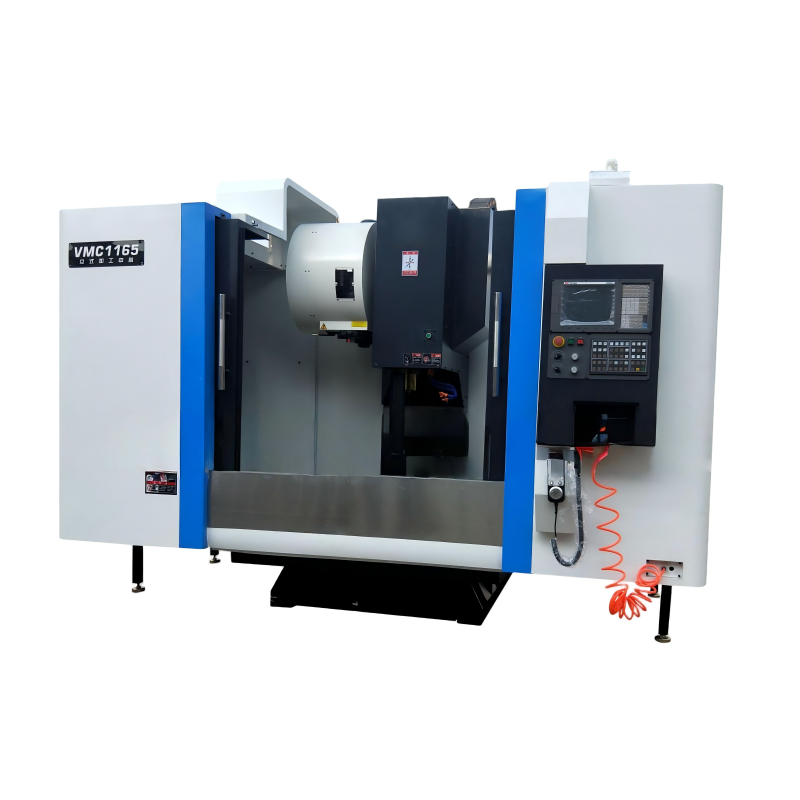
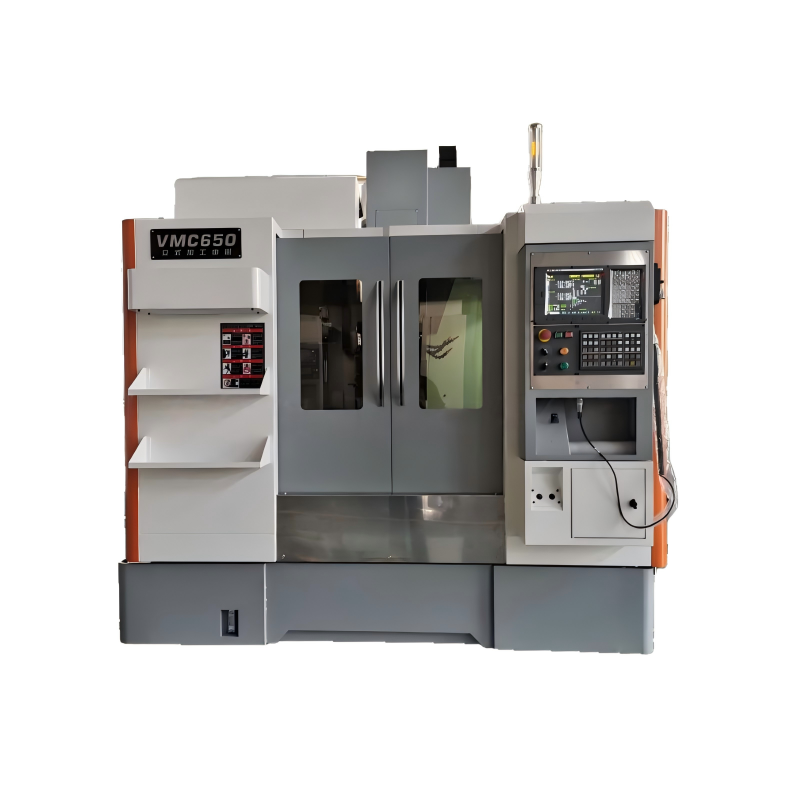
While manual lathes offer unparalleled control and flexibility, modern manufacturing increasingly relies on advanced machinery like the Vertical VMC650. This vertical Machining Center combines the precision and power of a CNC system with the versatility of a manual lathe. It features a robust construction, high spindle speeds, and multiple-axis capabilities, making it ideal for complex and high-volume production. The Vertical VMC650 can perform a wide range of operations, including milling, drilling, and tapping, all with exceptional accuracy and repeatability. Integrating such technology into a workshop not only enhances productivity but also complements the skills developed through manual lathe operations. By understanding the capabilities of the Vertical VMC650, operators can leverage the strengths of both traditional and modern methods, leading to more efficient and versatile machining practices.
Safety and Maintenance: Ensuring Longevity and Reliability
Safety and maintenance are paramount in any machining operation. Proper safety protocols, such as wearing protective gear, securing workpieces, and maintaining a clean workspace, are essential to prevent accidents. Regular maintenance, including lubrication, cleaning, and inspection, ensures that the lathe operates smoothly and extends its lifespan. These practices are equally important for the Vertical VMC650, where regular maintenance and adherence to safety guidelines are necessary to keep the machine in top condition and minimize downtime. By prioritizing safety and maintenance, operators can create a safe and productive working environment, whether they are using a manual lathe or an advanced machining center like the Vertical VMC650.
In conclusion, mastering manual lathe operations is a valuable skill that forms the backbone of precision machining. By understanding the basics, selecting and setting up tools correctly, controlling speeds and feeds, and integrating modern technology like the Vertical VMC650, operators can achieve high-quality results. Additionally, prioritizing safety and maintenance ensures that both manual and automated machines operate efficiently and reliably. As the manufacturing industry continues to evolve, the ability to blend traditional techniques with advanced technology will be a key factor in success.

 29/06/2026



