In the realm of precision machining, few tools hold as much significance as the manual lathe machine. This versatile piece of equipment has been a cornerstone in manufacturing and engineering for centuries, enabling craftsmen and engineers to produce intricate and precise components. This technical report aims to explore the intricacies of mastering the art of precision with a manual lathe machine, delving into its operational principles, advanced techniques, and the role it plays in modern manufacturing.
Understanding the Basics of Manual Lathe Machine Operation
The foundation of any skilled machinist's work lies in understanding the basics of how a manual lathe machine operates. A lathe is essentially a machine that rotates a workpiece on its axis to perform various operations such as cutting, sanding, knurling, and drilling. The primary components include the bed, headstock, tailstock, and carriage. The headstock holds the spindle, which rotates the workpiece, while the tailstock provides support at the other end. The carriage, which moves along the bed, houses the tool post where cutting tools are mounted.
Mastering the operation of a manual lathe machine involves several key steps. First, the operator must ensure the workpiece is securely clamped and centered. Next, the appropriate cutting tool is selected and mounted on the tool post. The speed and feed rate are then set based on the material and desired finish. Finally, the operator carefully guides the tool along the workpiece, making precise adjustments to achieve the required dimensions and surface finish.
Advanced Techniques for Precision Machining
While the basics of operating a manual lathe machine are essential, achieving high levels of precision requires a deeper understanding of advanced techniques. One such technique is the use of dial indicators and micrometers to measure and adjust the workpiece accurately. These tools allow the operator to make fine adjustments, ensuring that the final product meets the required tolerances.
Another advanced technique is the application of different cutting tools and methods. For example, using a parting tool can create clean, straight cuts, while a threading tool can produce precise threads. Additionally, the use of coolant during the machining process can significantly improve the quality of the cut by reducing heat and friction, leading to a smoother finish and longer tool life.
Furthermore, the skillful use of handwheels and levers is crucial for achieving precise movements. The cross-slide and compound rest allow for both linear and angular adjustments, enabling the operator to create complex shapes and contours. By combining these techniques, an experienced machinist can produce parts with exceptional accuracy and finish.
The Role of Manual Lathe Machines in Modern Manufacturing
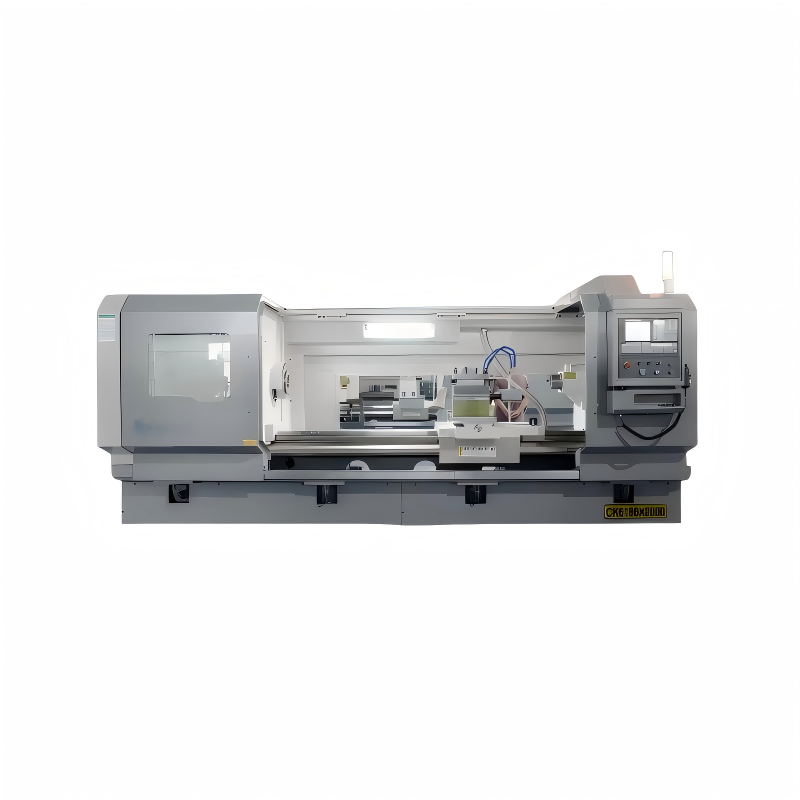
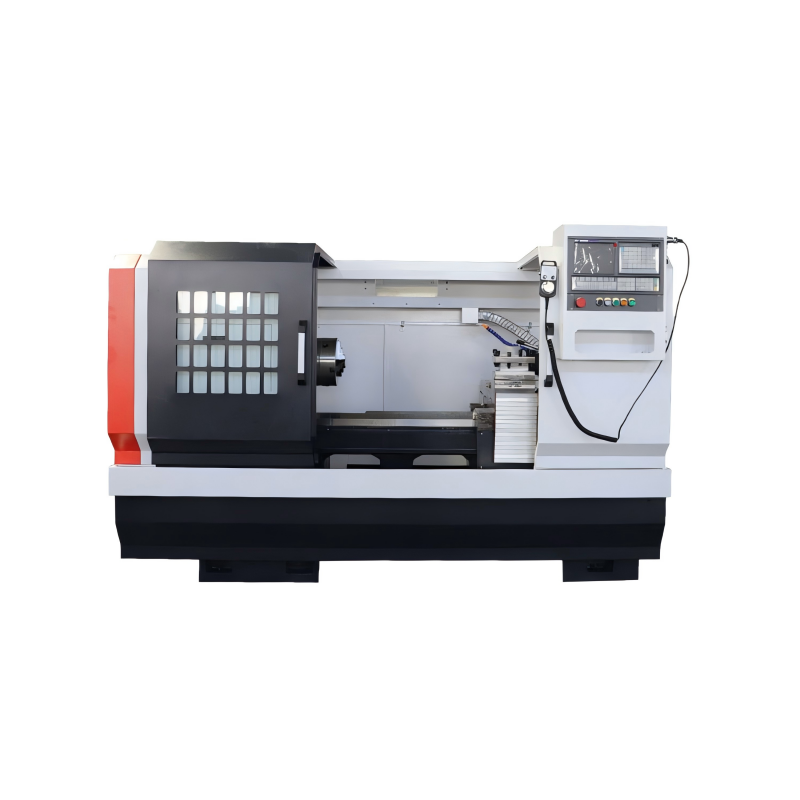
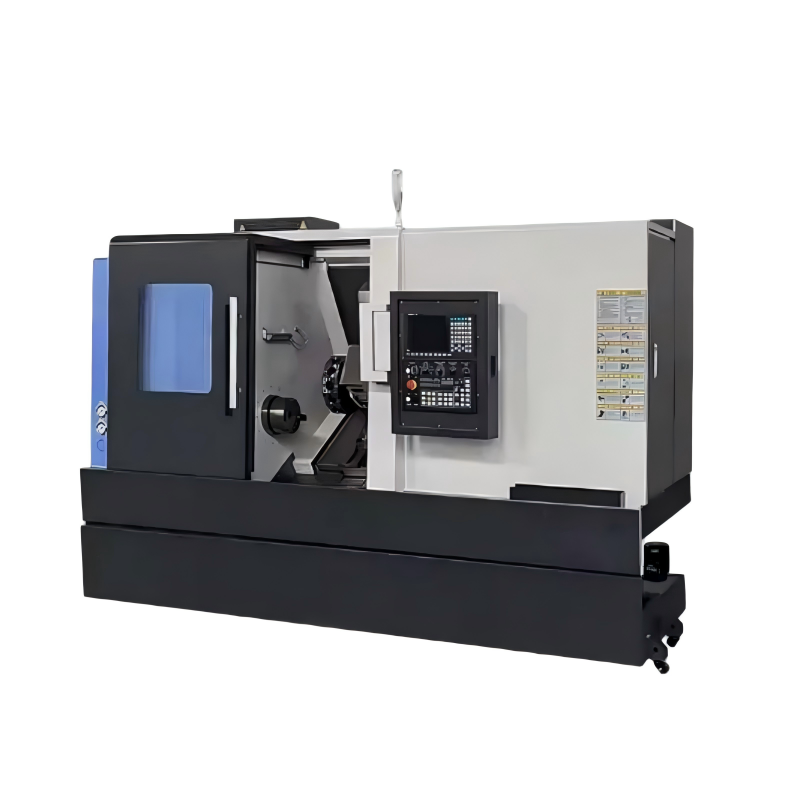
Despite the advent of CNC (Computer Numerical Control) machines, the manual lathe machine continues to play a vital role in modern manufacturing. While CNC Lathes offer automation and repeatability, manual lathes provide the flexibility and control needed for custom and small-batch production. They are particularly useful in prototyping, where quick iterations and modifications are necessary.
Moreover, manual lathes are often more cost-effective for small-scale operations. The initial investment and maintenance costs are lower compared to CNC machines, making them a practical choice for many workshops and small businesses. Additionally, the skills and knowledge gained from operating a manual lathe machine are transferable to other types of machinery, providing a strong foundation for machinists and engineers.
Finally, the tactile feedback and hands-on experience provided by manual lathes are invaluable for developing a deep understanding of the machining process. This experiential learning is essential for troubleshooting and problem-solving, as it allows operators to quickly identify and correct issues that may arise during the machining process.
In conclusion, mastering the art of precision with a manual lathe machine is a multifaceted endeavor that requires a combination of technical knowledge, practical skills, and a deep understanding of the machine's capabilities. By mastering the basics, employing advanced techniques, and recognizing the ongoing relevance of manual lathes in modern manufacturing, machinists and engineers can produce high-quality, precise components that meet the most demanding specifications.
 23/06/2026



