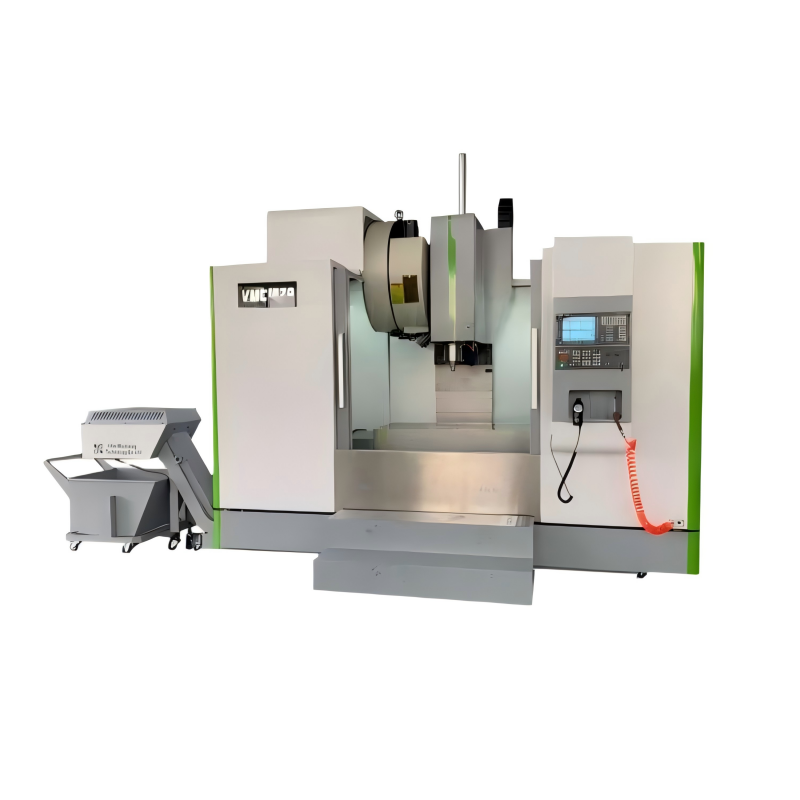
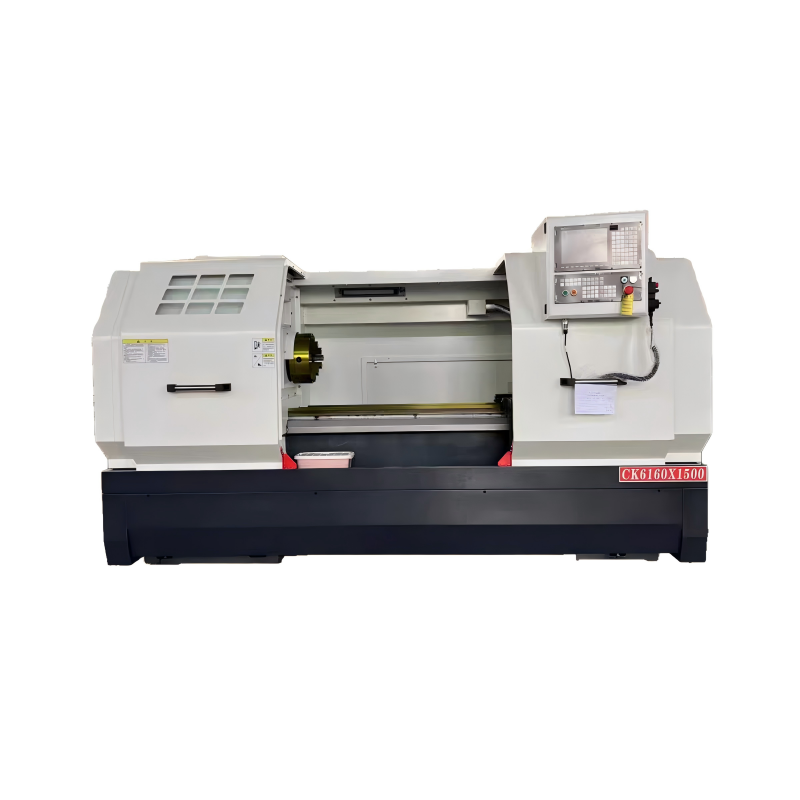
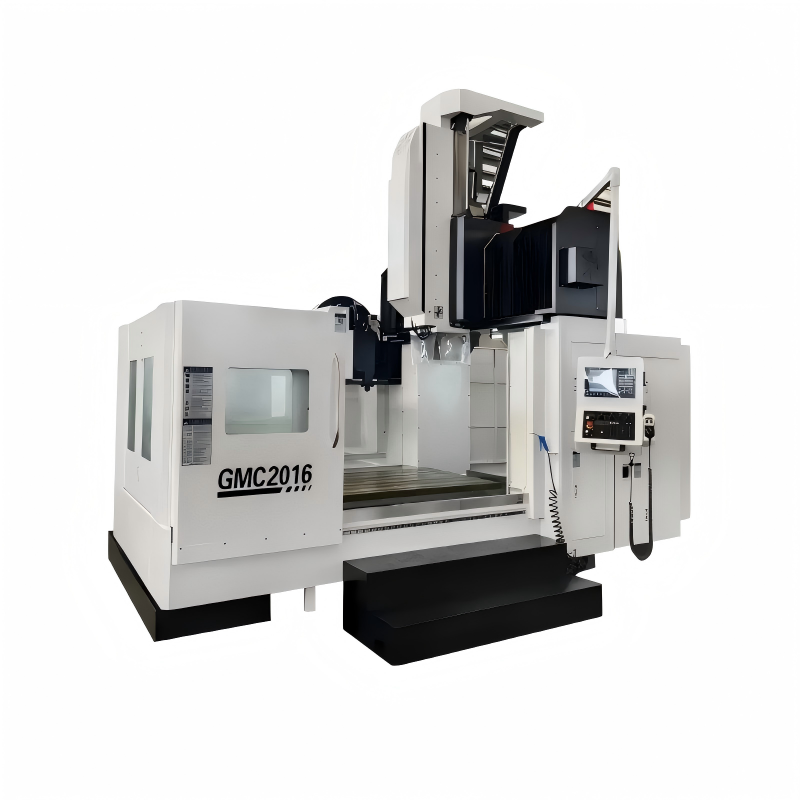
The Double Pallet Heavy HMC (Horizontal Machining Center) represents a significant leap in manufacturing technology, designed specifically to increase production efficiency and flexibility. This system is characterized by its ability to handle two pallets simultaneously, allowing for continuous operation while one pallet is being loaded or unloaded. The design of such machines is tailored towards heavy-duty applications, making them ideal for industries that require high-precision machining on large components. By incorporating advanced features like automatic tool changers, integrated chip management systems, and robust construction, the double pallet heavy HMC stands out as a solution that not only enhances productivity but also reduces operational costs over time.
One of the most notable advantages of using a Double Pallet Heavy HMC lies in its operational efficiency. Traditional machining centers typically operate on a single-pallet basis, which means downtime occurs whenever the machine needs to be set up for a new job. In contrast, a double pallet system allows for one pallet to be machined while another is prepared outside the work area. This setup significantly reduces idle times, leading to an overall increase in throughput. Additionally, because the loading and unloading processes can occur concurrently with machining operations, there's less need for manual intervention, further streamlining the production process. The result is a more efficient use of both human and mechanical resources, translating into higher productivity rates and potentially lower labor costs.
Another key benefit is the enhanced accuracy and repeatability achieved through the use of a double pallet HMC. Since these machines are built to handle heavier loads, they often come equipped with more precise control systems and sturdier structures. This stability contributes to consistent quality across parts, reducing scrap rates and improving the overall yield of the manufacturing process. Moreover, the automation capabilities inherent in these systems, including programmable logic controllers (PLCs) and computer numerical control (CNC) software, enable complex multi-axis machining operations to be performed with minimal operator input, ensuring that each part meets the required specifications every time.
Despite its numerous benefits, integrating a Double Patal Heavy HMC into an existing manufacturing environment can present several challenges. One of the primary concerns is the initial investment cost, which includes not just the purchase price of the machine itself but also any necessary modifications to the facility, such as reinforced flooring to support the additional weight. However, it's important to consider this expense within the context of long-term savings; the increased efficiency and reduced labor requirements can lead to a relatively quick return on investment.
Another potential issue is the learning curve associated with operating and maintaining a more complex piece of equipment. While modern HMCs are increasingly user-friendly, thanks to intuitive interfaces and comprehensive training programs provided by manufacturers, there may still be a period of adjustment for operators who are used to working with simpler machines. To mitigate this, companies should invest in thorough training for their staff, ensuring that everyone involved understands how to maximize the machine's capabilities and perform routine maintenance tasks effectively.
Finally, integration with existing workflows and systems must be carefully planned. For instance, if the new HMC will be part of a larger automated production line, compatibility between different pieces of equipment becomes crucial. Ensuring seamless communication between the HMC and other components, such as robotic arms or conveyor belts, requires careful planning and possibly some customization. Working closely with the machine supplier and leveraging their expertise in system integration can help overcome these obstacles, enabling a smooth transition to the new technology.
As manufacturing continues to evolve, so too do the technologies that support it. Looking ahead, we can expect to see further advancements in Double Pallet Heavy HMCs. One area of focus is likely to be even greater levels of automation. With the rise of Industry 4.0 and smart factories, there's a growing emphasis on interconnectedness and data-driven decision-making. Future HMCs may incorporate more sophisticated sensors and IoT (Internet of Things) connectivity, allowing for real-time monitoring and predictive maintenance. These features could help minimize unexpected downtimes and optimize performance, further enhancing the already impressive efficiency gains offered by double pallet systems.
In addition, sustainability is becoming an increasingly important factor in industrial operations. Manufacturers are under pressure to reduce their environmental impact, and this extends to the machinery they use. As a result, future generations of HMCs might include more energy-efficient designs, perhaps utilizing renewable energy sources or incorporating regenerative braking systems to capture and reuse kinetic energy. Such innovations would not only contribute to a greener manufacturing sector but also offer cost savings in terms of lower energy consumption.
Lastly, the trend towards customization and small-batch production is another driving force behind technological development. Customers today demand more personalized products, which can be challenging for traditional mass-production methods. Advanced HMCs, particularly those with double pallet capabilities, are well-suited to this changing landscape. Their flexibility and speed make them ideal for producing a wide range of parts in varying quantities without sacrificing quality or efficiency. As such, ongoing research and development efforts will likely focus on enhancing these machines' adaptability, enabling manufacturers to stay competitive in an ever-evolving market.
 17/06/2026
In the ever-evolving landscape of manufacturing, the integration of advanced machinery has become a cornerstone for achieving higher productivity, precision, and efficiency. One such machine that stands out is the Double Pallet Heavy HMC (Horizontal Machi
Read More17/06/2026In the realm of industrial manufacturing, efficiency and productivity are paramount. The integration of advanced machinery and systems plays a critical role in achieving these goals. One such innovation that has significantly enhanced operational capabili
Read More17/06/2026In the realm of manufacturing, where precision and efficiency are paramount, the adoption of advanced machinery has become a necessity rather than a luxury. One such piece of equipment that stands out in this context is the Double Pallet Heavy HMC (Horizo
Read More17/06/2026Introduction to Heavy HMC for Palletized WorkpiecesIn the manufacturing and machining industry, the use of a heavy horizontal machining center (HMC) for processing palletized workpieces has become increasingly popular. This technology offers significant a
Read MoreOur professional sales team is always ready to assist you.