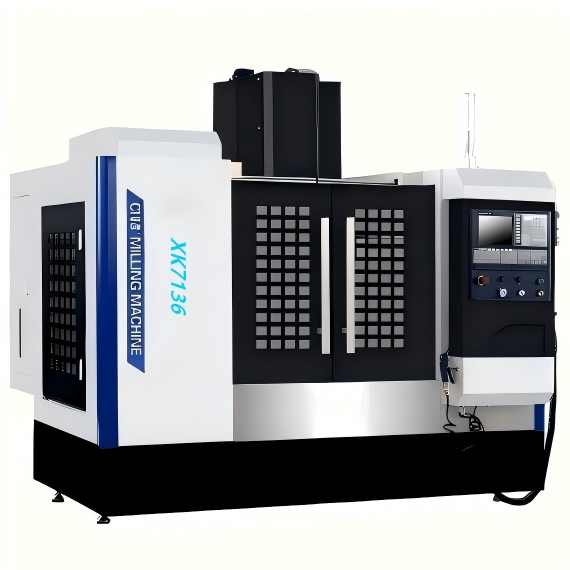
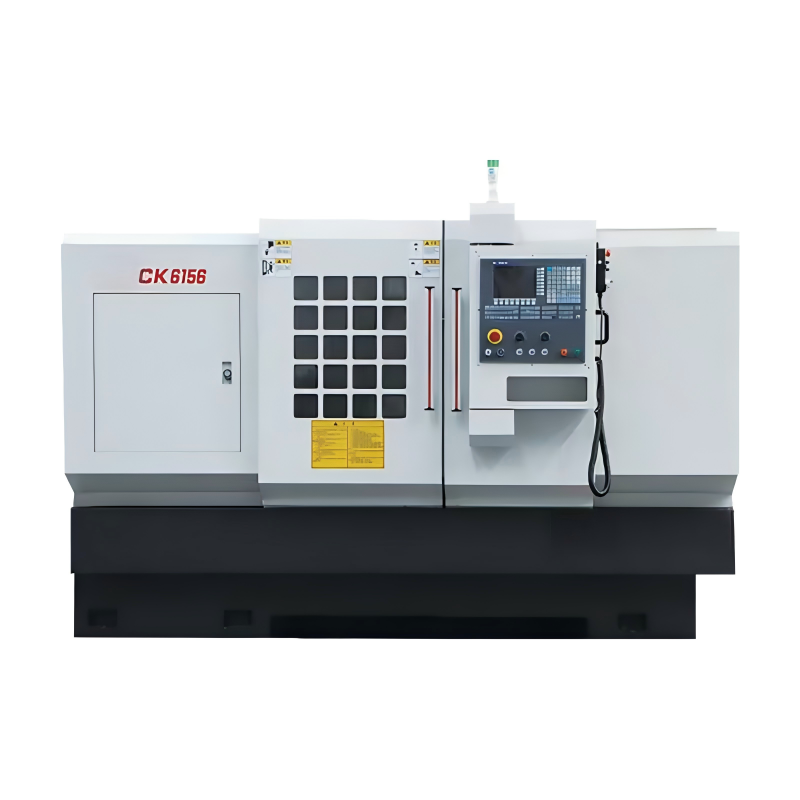
In the realm of manufacturing and engineering, the concept of a high rigidity horizontal Machining Center (HMC) is not just a buzzword but a critical factor that significantly influences the quality, efficiency, and overall performance of the machining process. This report aims to explore the pivotal role that high rigidity plays in enhancing the performance of Horizontal Machining Centers, with a focus on how it contributes to precision, productivity, and long-term reliability.
The primary benefit of a high rigidity HMC lies in its ability to maintain extremely precise tool paths, even under the most demanding cutting conditions. High rigidity is achieved through the use of robust materials, advanced structural designs, and precise engineering. The stiffness of the machine's structure minimizes deflection and vibration, which are common culprits in reducing the accuracy of machined parts. For instance, in aerospace and medical industries, where tolerances are incredibly tight, a high rigidity HMC can ensure that components are manufactured to exact specifications, thereby reducing scrap rates and rework.
Moreover, the stability provided by high rigidity allows for more aggressive cutting parameters, such as higher feed rates and deeper cuts, without compromising the surface finish or dimensional accuracy. This is particularly beneficial in applications where material removal rates need to be maximized, such as in the production of large, complex parts.
High rigidity in a horizontal machining center also translates into increased productivity and efficiency. A rigid machine can handle larger and heavier workpieces, as well as more powerful cutting tools, without experiencing significant wear or deformation. This capability enables manufacturers to take on a wider range of projects, from small, intricate components to large, heavy-duty parts, all while maintaining consistent quality.
Additionally, the reduced vibration and improved stability of a high rigidity HMC contribute to longer tool life. When tools are subjected to less vibration and stress, they experience less wear and tear, leading to extended service intervals and lower maintenance costs. This, in turn, reduces downtime and increases the overall throughput of the machining process.
Furthermore, the ability to perform multiple operations in a single setup, thanks to the enhanced stability and precision, can significantly reduce the time required for part production. This is especially valuable in high-volume manufacturing environments where minimizing cycle times is crucial for meeting production targets and maintaining competitive advantage.
Investing in a High rigidity horizontal machining center offers long-term benefits in terms of reliability and cost-effectiveness. The robust construction and superior design of these machines mean they are built to last, withstanding the rigors of continuous, high-demand operation over many years. This durability ensures that the initial investment is well-justified, as the machine will continue to deliver consistent performance and require fewer repairs and replacements over its lifetime.
Moreover, the reduced need for frequent maintenance and the lower likelihood of unexpected breakdowns translate into lower operational costs. Manufacturers can plan their production schedules with greater confidence, knowing that the machine will remain operational and reliable. This predictability is essential for maintaining smooth operations and avoiding costly disruptions.
Finally, the high rigidity of the HMC also supports the integration of advanced technologies, such as automated tool changers, pallet changers, and robotic systems. These additions can further enhance the machine's capabilities and flexibility, making it a versatile and future-proof investment for any manufacturing facility.
In conclusion, the role of high rigidity in enhancing horizontal machining performance cannot be overstated. By providing enhanced precision, increased productivity, and long-term reliability, high rigidity horizontal machining centers offer significant advantages that can make a substantial difference in the success of manufacturing operations. As technology continues to advance, the importance of rigidity in machining centers will only grow, making it a critical consideration for manufacturers looking to stay at the forefront of their industry.
 17/06/2026
The high rigidity horizontal machining center is a critical piece of equipment in the modern manufacturing industry, offering numerous advantages over its counterparts. This report aims to explore the key benefits that make these machines indispensable fo
Read More17/06/2026In the realm of precision engineering, the high rigidity horizontal machining center stands as a pivotal innovation, offering unparalleled accuracy and efficiency. This report delves into the critical aspects of these machines, exploring their design, per
Read More17/06/2026The advent of high rigidity horizontal machining centers has revolutionized the manufacturing industry, offering unparalleled precision, efficiency, and versatility. This report delves into the capabilities of these advanced machines, exploring their uniq
Read More17/06/2026In the ever-evolving landscape of advanced manufacturing, the demand for precision, efficiency, and durability has never been higher. One of the key technologies that have risen to meet these challenges is the high rigidity horizontal machining center. Th
Read MoreOur professional sales team is always ready to assist you.