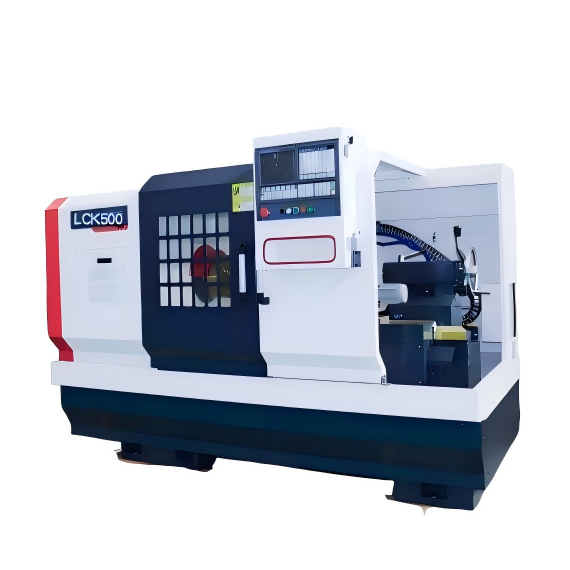
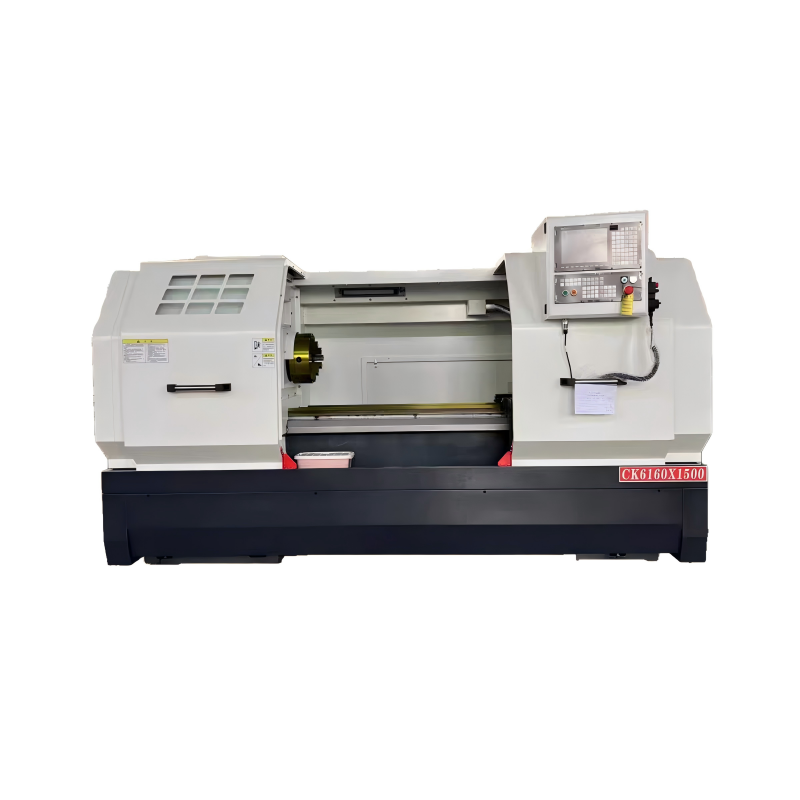
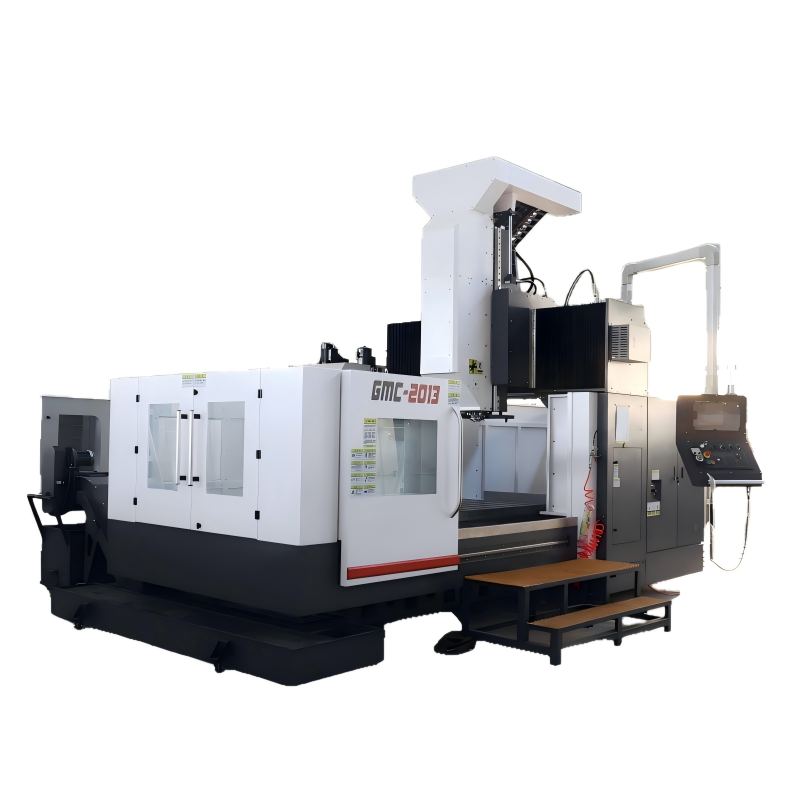
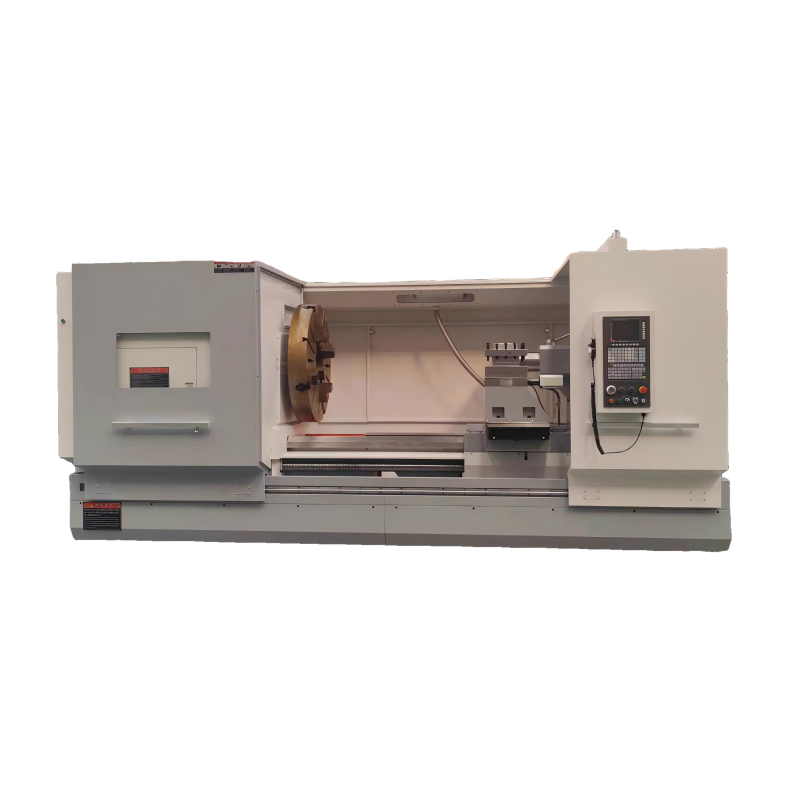
In the realm of precision engineering, the high rigidity horizontal Machining Center stands as a pivotal innovation, offering unparalleled accuracy and efficiency. This report delves into the critical aspects of these machines, exploring their design, performance, and applications in modern manufacturing. The focus will be on how high rigidity contributes to superior machining outcomes, the technological advancements that enhance their capabilities, and the future trends in this field.
The core principle behind the high rigidity Horizontal Machining Center is to minimize deflection and vibration during the machining process. Achieving high rigidity involves several key design elements, including robust construction materials, optimized structural geometry, and advanced damping technologies. For instance, the use of cast iron with a fine grain structure enhances the machine's overall stiffness, while box-in-box designs reduce the transmission of vibrations. Additionally, integrated cooling systems and thermal compensation mechanisms ensure that the machine maintains its dimensional stability even under prolonged operation. These design features collectively contribute to the machine's ability to achieve micron-level precision, making it an indispensable tool in industries such as aerospace, automotive, and medical device manufacturing.
Modern High rigidity horizontal machining centers are equipped with a suite of advanced technologies that further enhance their performance. One such technology is the use of direct drive motors, which eliminate the need for mechanical transmissions, thereby reducing backlash and increasing responsiveness. Linear scales and encoders provide real-time feedback, ensuring that the machine can make precise adjustments during the cutting process. Furthermore, the integration of artificial intelligence (AI) and machine learning algorithms allows for predictive maintenance and adaptive control, optimizing the machine's operation and extending its lifespan. These technological advancements not only improve the accuracy and speed of the machining process but also reduce downtime and operational costs, making the high rigidity horizontal machining center a cost-effective solution for high-precision manufacturing.
The high rigidity horizontal machining center has found widespread application across various industries, where precision and reliability are paramount. In the aerospace industry, these machines are used to manufacture complex components such as turbine blades and structural parts, which require tight tolerances and high surface quality. In the automotive sector, they are employed in the production of engine blocks, transmission housings, and other critical components, ensuring consistent quality and performance. The medical device industry also benefits from the high rigidity horizontal machining center, as it enables the production of intricate surgical instruments and implants with the highest level of precision. The versatility and reliability of these machines have made them a cornerstone of modern manufacturing, driving innovation and productivity in multiple sectors.
Looking ahead, the high rigidity horizontal machining center is poised to continue evolving, driven by ongoing technological advancements and changing industry demands. One emerging trend is the integration of Industry 4.0 principles, such as the Internet of Things (IoT) and cloud computing, which enable real-time data collection and analysis, facilitating more efficient and flexible manufacturing processes. Additive manufacturing techniques, such as 3D printing, are also being combined with traditional machining to create hybrid systems capable of producing highly complex and customized parts. Moreover, the development of new materials, such as advanced composites and alloys, requires innovative machining solutions that can handle these challenging materials. As these trends unfold, the high rigidity horizontal machining center will remain at the forefront of precision engineering, setting new standards for accuracy, efficiency, and versatility.
In conclusion, the high rigidity horizontal machining center represents a significant advancement in precision engineering, offering exceptional rigidity, accuracy, and performance. By leveraging advanced design principles, cutting-edge technologies, and innovative applications, these machines continue to play a crucial role in modern manufacturing. As the industry continues to evolve, the high rigidity horizontal machining center will undoubtedly remain a key driver of innovation and excellence in the field of precision engineering.
 17/06/2026
In the realm of manufacturing and engineering, the concept of a high rigidity horizontal machining center (HMC) is not just a buzzword but a critical factor that significantly influences the quality, efficiency, and overall performance of the machining pr
Read More17/06/2026The high rigidity horizontal machining center is a critical piece of equipment in the modern manufacturing industry, offering numerous advantages over its counterparts. This report aims to explore the key benefits that make these machines indispensable fo
Read More17/06/2026The advent of high rigidity horizontal machining centers has revolutionized the manufacturing industry, offering unparalleled precision, efficiency, and versatility. This report delves into the capabilities of these advanced machines, exploring their uniq
Read More17/06/2026In the ever-evolving landscape of advanced manufacturing, the demand for precision, efficiency, and durability has never been higher. One of the key technologies that have risen to meet these challenges is the high rigidity horizontal machining center. Th
Read MoreOur professional sales team is always ready to assist you.