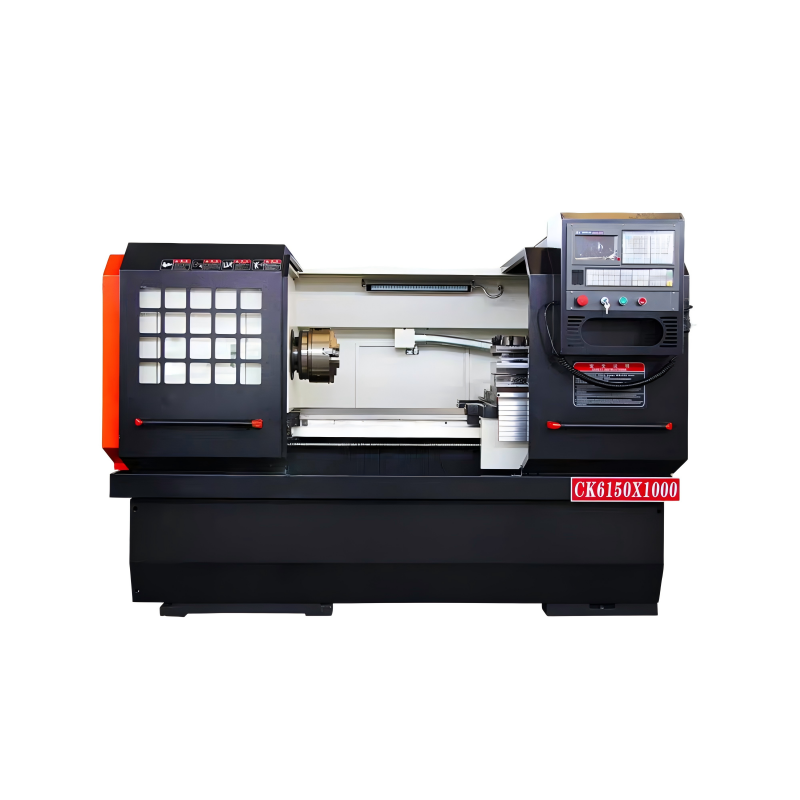
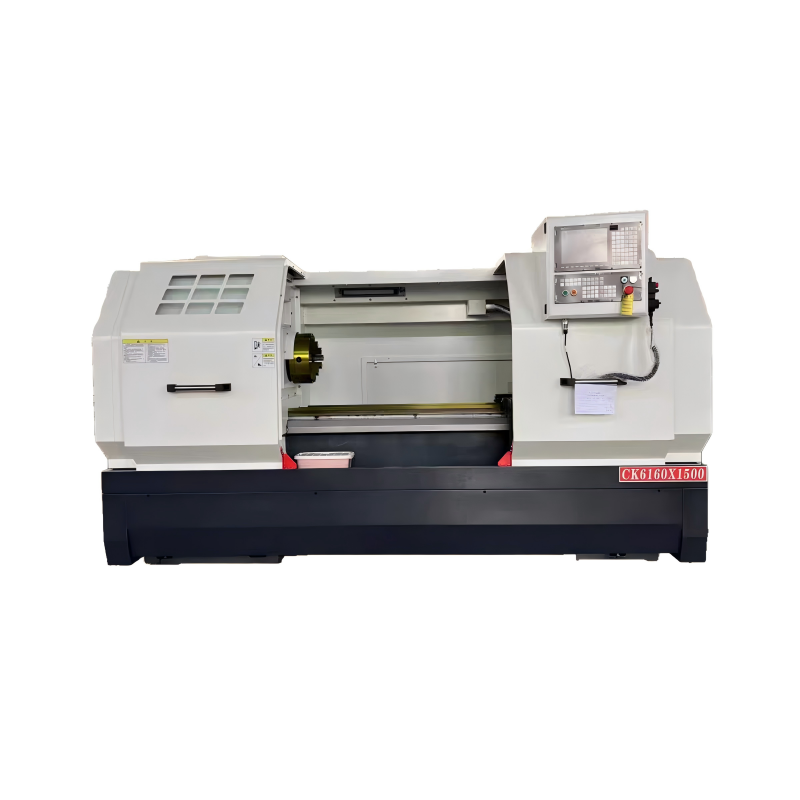
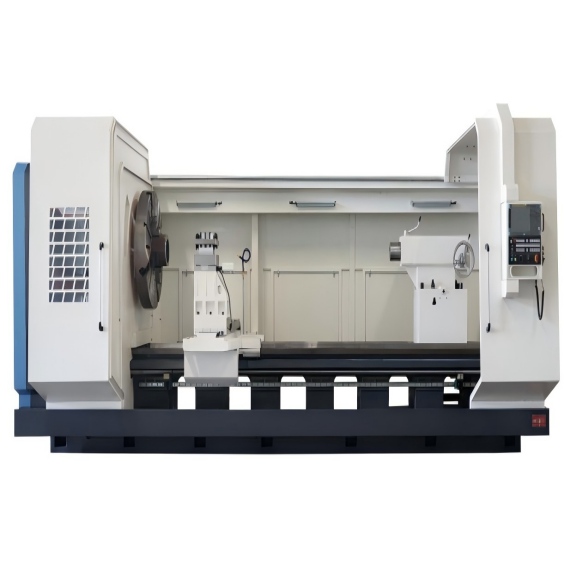
The advent of high rigidity horizontal Machining Centers has revolutionized the manufacturing industry, offering unparalleled precision, efficiency, and versatility. This report delves into the capabilities of these advanced machines, exploring their unique features, applications, and the advantages they bring to modern production lines. By examining the latest technological advancements, we aim to provide a comprehensive understanding of how high rigidity Horizontal Machining Centers can enhance productivity and quality in various industrial settings.
A key characteristic that sets High rigidity horizontal machining centers apart is their ability to maintain extremely high levels of accuracy during operation. The term "high rigidity" refers to the machine's structural integrity, which minimizes vibrations and deflections even under heavy cutting loads. This stability ensures that parts are machined with exceptional precision, reducing the need for secondary operations and improving overall part quality. In addition, the robust construction of these machines allows them to handle a wide range of materials, from soft metals to hard alloys, without compromising on dimensional accuracy or surface finish. Therefore, investing in a high rigidity horizontal machining center can significantly reduce scrap rates and rework, leading to cost savings and increased profitability over time.
Another major advantage offered by high rigidity horizontal machining centers lies in their capacity for automation. These machines are often equipped with state-of-the-art CNC (Computer Numerical Control) systems, enabling complex multi-axis machining operations to be performed automatically. Moreover, many models come with integrated pallet changers or robotic loading/unloading systems, allowing for continuous production without manual intervention. Such automation not only boosts throughput but also reduces labor costs and improves safety by minimizing human-machine interaction. Furthermore, the use of advanced software solutions, such as adaptive control and real-time monitoring, enables operators to optimize cutting parameters on the fly, further enhancing efficiency and tool life. Consequently, manufacturers who adopt high rigidity horizontal machining centers stand to gain significant competitive advantages in terms of speed, flexibility, and responsiveness to market demands.
One of the most compelling aspects of high rigidity horizontal machining centers is their versatility. These machines are designed to excel in a variety of industries, including automotive, aerospace, medical, and energy sectors, among others. For instance, in the automotive industry, where large-scale production and tight tolerances are critical, these machines play an indispensable role in producing components like engine blocks, transmission cases, and chassis parts. Similarly, in the aerospace sector, where lightweight yet strong materials and intricate designs are common, high rigidity horizontal machining centers enable the precise fabrication of turbine blades, landing gear, and structural components. Additionally, the medical device industry benefits from the fine detail and repeatability achievable with these machines, making them ideal for crafting surgical instruments, prosthetics, and implants. Finally, the renewable energy sector, particularly wind power, relies heavily on these machines for creating large, complex parts like rotor hubs and generator housings. Thus, the broad applicability of high rigidity horizontal machining centers underscores their value as a versatile tool in today’s diverse manufacturing landscape.
In conclusion, the capabilities of a high rigidity horizontal machining center make it an invaluable asset for any manufacturing environment seeking to achieve superior precision, productivity, and adaptability. Through enhanced structural rigidity, advanced automation features, and cross-industry versatility, these machines offer a powerful solution to meet the ever-evolving challenges faced by modern manufacturers. As technology continues to advance, it is likely that we will see even more innovative applications and improvements in this field, further cementing the importance of high rigidity horizontal machining centers in the future of industrial production.
 17/06/2026
In the realm of manufacturing and engineering, the concept of a high rigidity horizontal machining center (HMC) is not just a buzzword but a critical factor that significantly influences the quality, efficiency, and overall performance of the machining pr
Read More17/06/2026The high rigidity horizontal machining center is a critical piece of equipment in the modern manufacturing industry, offering numerous advantages over its counterparts. This report aims to explore the key benefits that make these machines indispensable fo
Read More17/06/2026In the realm of precision engineering, the high rigidity horizontal machining center stands as a pivotal innovation, offering unparalleled accuracy and efficiency. This report delves into the critical aspects of these machines, exploring their design, per
Read More17/06/2026In the ever-evolving landscape of advanced manufacturing, the demand for precision, efficiency, and durability has never been higher. One of the key technologies that have risen to meet these challenges is the high rigidity horizontal machining center. Th
Read MoreOur professional sales team is always ready to assist you.