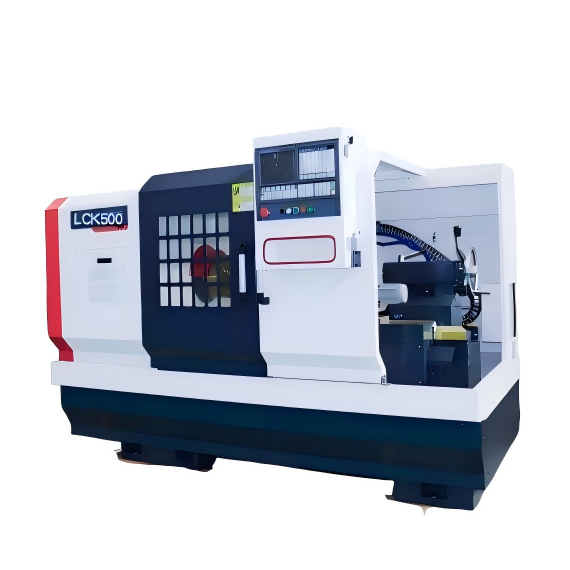
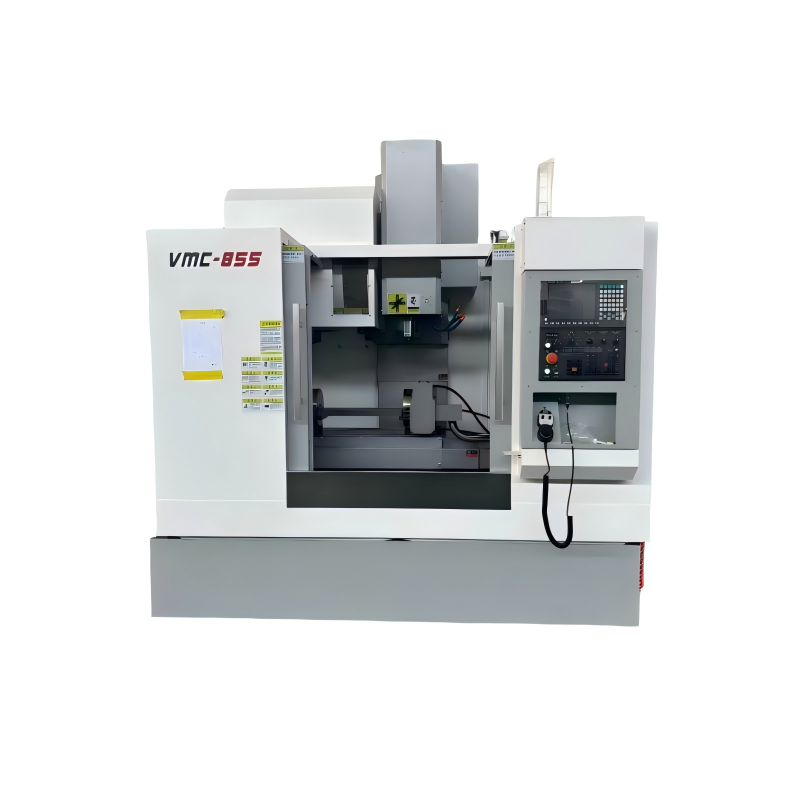
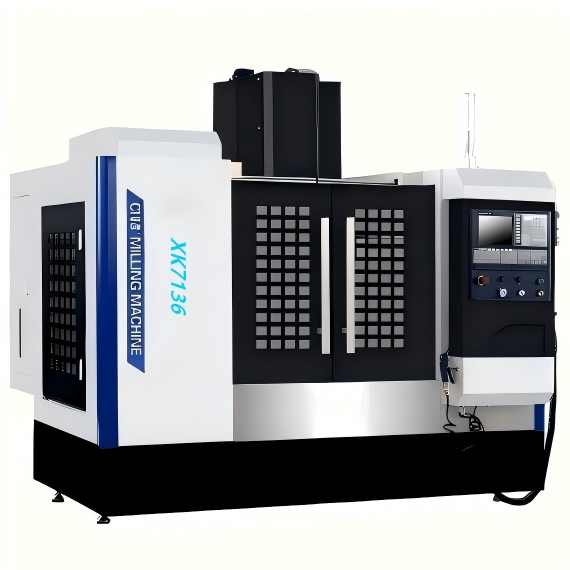
With the continuous advancement in manufacturing technology, CNC (Computer Numerical Control) systems have become increasingly sophisticated, offering a wide range of features that not only enhance productivity but also improve the quality and precision of the final product. One such feature is high-speed linear motion control, which has revolutionized how machines operate, enabling faster, more efficient, and more accurate machining processes. This report delves into the advanced features of CNC technology, focusing on how these innovations can be leveraged to maximize output while maintaining or even improving product quality.
High-speed linear motion control is at the heart of modern CNC systems, providing the ability to move machine components with unprecedented speed and accuracy. This capability is crucial for achieving high throughput without compromising on the quality of the workpiece. In traditional CNC systems, the movement of the cutting tool or the workpiece was often limited by mechanical constraints, leading to longer cycle times and lower productivity. However, with the advent of high-speed linear motion control, these limitations have been significantly reduced.
By utilizing advanced servo motors, linear guides, and feedback systems, high-speed linear motion control allows for rapid and precise positioning, reducing the time required for each operation. This not only increases the overall production rate but also minimizes wear and tear on the machinery, extending its lifespan. Additionally, the improved accuracy of the motion control system ensures that each part is machined to exact specifications, reducing the need for rework and scrap, thus further enhancing efficiency.
Beyond hardware advancements, the integration of advanced software solutions plays a pivotal role in maximizing the output of CNC systems. Modern CNC machines are equipped with powerful software that enables real-time monitoring, predictive maintenance, and adaptive control. These software tools utilize data analytics and machine learning algorithms to optimize the performance of the CNC system, ensuring that it operates at peak efficiency.
For example, real-time monitoring software can continuously track the status of the machine, detecting any anomalies or potential issues before they lead to downtime. Predictive maintenance algorithms can analyze this data to schedule maintenance activities at the most opportune times, minimizing disruptions to the production process. Adaptive control, on the other hand, adjusts the machining parameters in real-time based on the current conditions, ensuring that the machine always operates at the optimal settings for the given task.
These software capabilities, when combined with high-speed linear motion control, create a synergistic effect that dramatically improves the overall performance of the CNC system. The result is a more reliable, efficient, and cost-effective manufacturing process that can meet the demands of today's fast-paced and highly competitive market.
Another key aspect of advanced CNC technology is the adoption of modular design principles. Modular CNC systems allow for greater flexibility and customization, enabling manufacturers to adapt their machines to a wide range of applications and requirements. This is particularly important in industries where product designs and production volumes can change rapidly, such as automotive, aerospace, and consumer electronics.
Modular CNC systems are built using interchangeable components, which can be easily reconfigured to suit different machining tasks. For instance, a single CNC machine can be quickly adapted to perform milling, drilling, turning, and other operations, simply by swapping out the relevant modules. This flexibility not only reduces the need for multiple specialized machines but also minimizes setup and changeover times, leading to higher overall productivity.
Moreover, the modular design approach facilitates easier upgrades and maintenance. As new technologies and features become available, existing CNC systems can be updated with the latest components, ensuring that they remain at the cutting edge of manufacturing technology. This future-proofing capability is essential for manufacturers looking to stay ahead of the competition and meet the evolving needs of their customers.
In conclusion, the advanced features of CNC technology, such as high-speed linear motion control, integrated software solutions, and modular design, offer significant benefits for manufacturers seeking to maximize their output. By leveraging these innovations, companies can achieve higher productivity, improved quality, and greater flexibility in their manufacturing processes. As the demand for more efficient and versatile manufacturing solutions continues to grow, the ongoing development and implementation of these advanced CNC features will play a critical role in shaping the future of the industry.
 08/06/2026
High-speed linear motion control systems are essential in various industrial applications, from manufacturing to robotics. These systems require precise and rapid movement along a straight path, making them indispensable for tasks that demand high accurac
Read More08/06/2026High-speed linear motion control is a critical field in modern engineering, playing an essential role in various applications ranging from manufacturing to robotics. This report delves into the dynamics of high-speed linear motion control, exploring its p
Read More07/06/2026High-speed linear motion control has become an essential component in modern industrial automation, enabling faster and more precise operations across various industries. This technology is not only about moving objects from one point to another but doing
Read More07/06/2026High-speed linear motion control is a critical aspect of modern automation and robotics, enabling precise and efficient movement across various applications. This report explores the key elements required to achieve smooth operation with high-speed linear
Read More06/06/2026High-speed linear motion control is a critical area of study within the field of automation and robotics, where precision, speed, and efficiency are paramount. This domain involves controlling the movement of machines or components along a straight path a
Read More06/06/2026High-speed linear motion control is a critical aspect of many industrial applications, from manufacturing to robotics. The ability to efficiently and accurately move objects in a straight line at high speeds can significantly impact the productivity and e
Read More05/06/2026In the realm of industrial automation and robotics, high-speed linear motion control has become a critical component for achieving precision, efficiency, and reliability. This technical report explores advanced techniques in high-speed linear motion contr
Read More05/06/2026Understanding the Importance of Feedback in Motion Control SystemsIn the realm of high-speed linear motion control, feedback plays a pivotal role in ensuring that systems operate efficiently and accurately. The concept of feedback involves collecting data
Read More04/06/2026In the rapidly evolving landscape of industrial automation, high-speed linear motion control stands out as a critical technology that is redefining the capabilities and efficiency of modern machinery. This technical report explores how advancements in hig
Read More04/06/2026Linear motion control at high speeds has emerged as a pivotal technology in modern industrial applications, significantly enhancing efficiency and productivity. This report delves into the transformative impact of high-speed linear motion control on vario
Read More04/06/2026High-speed linear motion control is an essential aspect of modern robotics, enabling machines to perform tasks with unprecedented speed and precision. This report explores how advancements in high-speed linear motion have revolutionized the field of robot
Read More04/06/2026In the rapidly evolving landscape of automation, high-speed linear motion control stands out as a critical component for achieving greater efficiency and precision across various industries. This report delves into the future innovations in high-speed lin
Read More04/06/2026High-speed linear motion control represents a significant advancement in the field of automation and manufacturing, offering unprecedented precision, speed, and efficiency. This report delves into how high-speed linear motion is transforming modern manufa
Read More04/06/2026IntroductionThe advancement of industrial automation has significantly propelled the demand for high-speed linear motion control systems, which are pivotal in achieving precise and efficient movement in various applications. These systems play a crucial r
Read More04/06/2026Introduction to High-speed Linear Motion ControlThe field of high-speed linear motion control has seen significant advancements over the past few decades, driven by the increasing demands for precision, speed, and efficiency in various industries. This te
Read MoreOur professional sales team is always ready to assist you.