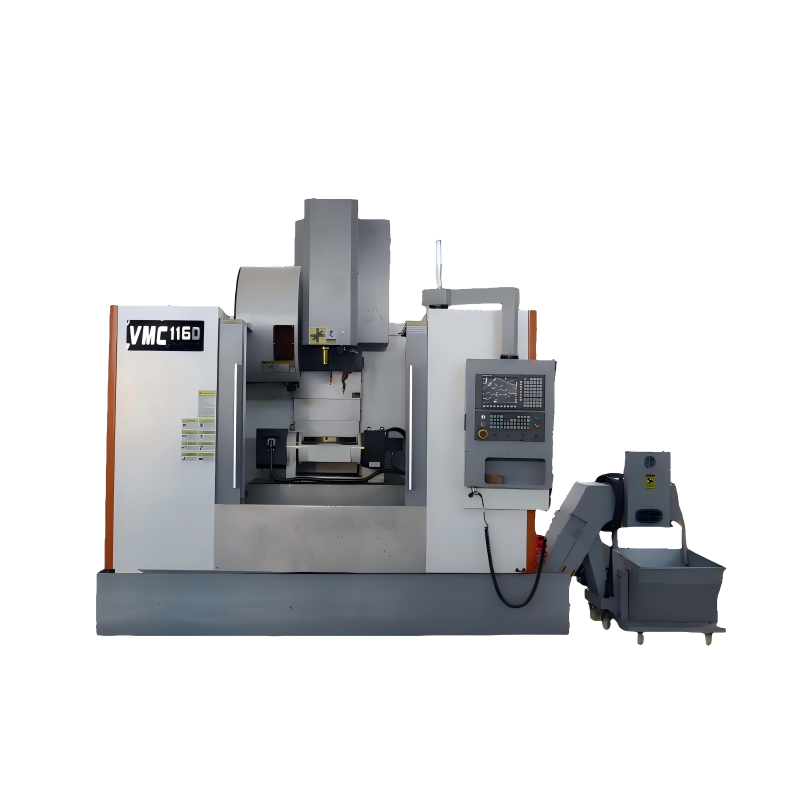
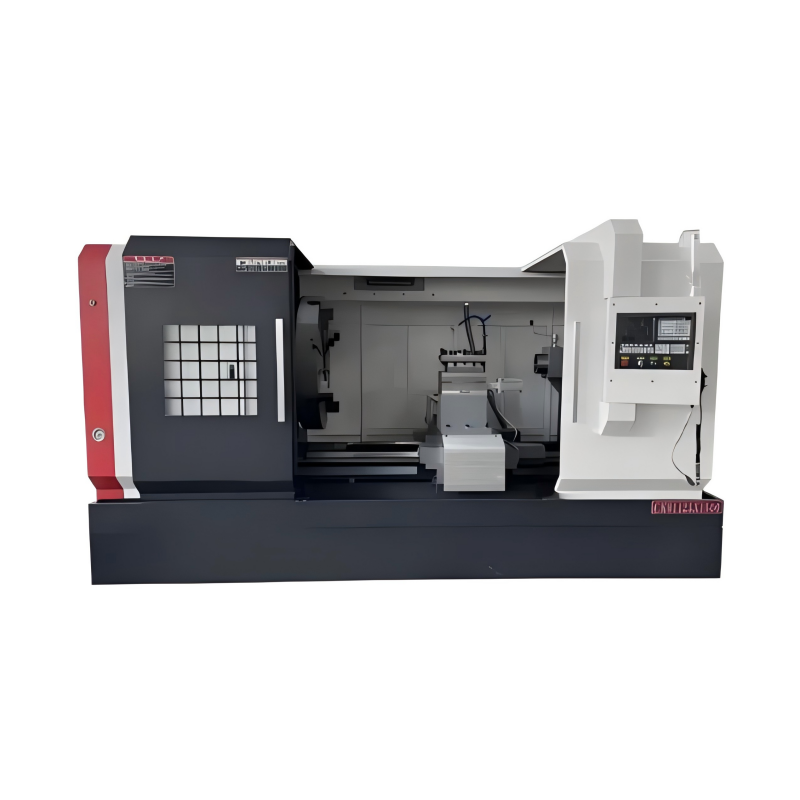
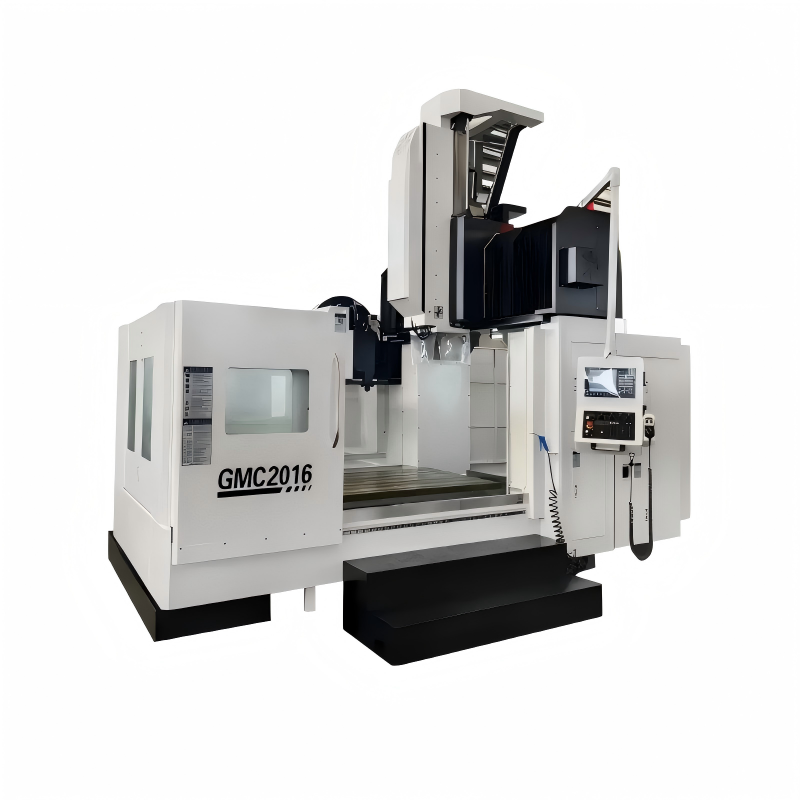
In the world of manufacturing, efficiency and precision are paramount. The advent of Computer Numerical Control (CNC) technology has revolutionized how parts and components are machined, offering unparalleled accuracy and repeatability. Among the various types of CNC machines available, the CNC Vertical Machining Center (VMC) stands out for its versatility and capability to handle a wide range of applications. This report explores how multi-axis CNC VMCs can be leveraged to maximize productivity in modern manufacturing environments.
The traditional 3-axis CNC VMC operates on the X, Y, and Z axes, allowing for precise cutting, drilling, and milling operations. However, with the introduction of additional rotational axes, such as the A, B, and C axes, the capabilities of these machines expand significantly. These extra axes enable the machine to perform complex, multi-sided machining without the need for manual repositioning of the workpiece. This not only saves time but also reduces the potential for errors that can occur during the setup process. For instance, a 5-axis CNC VMC can simultaneously move along all five axes, providing the flexibility to produce intricate geometries and detailed features in a single setup.
One of the key advantages of using a multi-axis CNC VMC is the ability to reduce the number of setups required for a given part. In traditional 3-axis machining, multiple setups may be necessary to access different sides of a part, which can lead to increased cycle times and higher costs. With a multi-axis machine, the workpiece can be machined from multiple angles in a single operation, streamlining the production process and improving overall efficiency.
Multi-axis CNC VMCs are designed to deliver exceptional precision and quality, which is crucial in industries where tolerances are tight and surface finishes must be flawless. The advanced control systems and high-resolution encoders used in these machines ensure that each axis movement is highly accurate, resulting in parts that meet or exceed the required specifications. Additionally, the ability to maintain consistent tool paths and speeds across multiple axes contributes to improved surface finish and dimensional accuracy.
Another factor that enhances the precision of multi-axis CNC VMCs is the use of sophisticated software. Modern CAM (Computer-Aided Manufacturing) software allows for the creation of complex toolpaths and the simulation of the entire machining process. This enables operators to identify and correct any potential issues before the actual machining begins, reducing the risk of errors and minimizing scrap rates. Furthermore, real-time monitoring and feedback systems can detect deviations from the programmed path and make adjustments on the fly, ensuring that the final product meets the highest standards of quality.
Efficient workflow management is essential for maximizing the productivity of a CNC VMC. One of the ways multi-axis machines contribute to this is by reducing the time spent on setup and changeover. As mentioned earlier, the ability to machine multiple sides of a part in a single setup eliminates the need for frequent repositioning, which can be a significant bottleneck in the production process. This streamlined approach not only saves time but also reduces the likelihood of human error, leading to more consistent and reliable results.
Another aspect of optimizing workflow is the integration of automation technologies. Many multi-axis CNC VMCs can be equipped with automatic tool changers, pallet changers, and other automated systems that further enhance their productivity. These systems allow for continuous operation with minimal operator intervention, enabling the machine to run unattended for extended periods. This is particularly beneficial for high-volume production runs, where the machine can operate 24/7, maximizing throughput and reducing lead times.
Furthermore, the use of predictive maintenance and condition monitoring technologies can help to minimize downtime. By continuously monitoring the health of the machine and its components, operators can identify potential issues before they become critical. This proactive approach allows for scheduled maintenance and repairs, avoiding unexpected breakdowns and keeping the machine running smoothly. Predictive maintenance also extends the lifespan of the machine and its components, reducing long-term operational costs.
The adoption of multi-axis CNC VMCs offers numerous benefits for manufacturers looking to enhance their productivity and competitiveness. By leveraging the advanced capabilities of these machines, companies can achieve higher levels of precision, reduce setup times, and optimize their workflows. The integration of automation and predictive maintenance technologies further enhances their performance, ensuring that the machines operate at peak efficiency. As the demands of modern manufacturing continue to evolve, the role of multi-axis CNC VMCs will only become more critical in driving innovation and excellence in the industry.
 25/06/2026
In today’s rapidly evolving manufacturing landscape, the integration of advanced technologies has become a cornerstone for enhancing productivity and maintaining a competitive edge. One such technology that stands out is the CNC (Computer Numerical Contro
Read More25/06/2026Understanding the Importance of Regular Maintenance for CNC Vertical Machining CentersThe CNC Vertical Machining Center is a critical piece of equipment in many manufacturing and engineering environments. These machines are designed to perform complex and
Read More25/06/2026Introduction to CNC Vertical Machining CentersThe evolution of manufacturing technology has seen the rise of CNC (Computer Numerical Control) vertical machining centers as a pivotal tool in modern metalworking. These machines, characterized by their abili
Read More24/06/2026In the rapidly evolving landscape of modern manufacturing, CNC (Computer Numerical Control) Vertical Machining Centers have emerged as a cornerstone technology, offering unparalleled precision, efficiency, and versatility. These machines play a crucial ro
Read More24/06/2026The advent of CNC (Computer Numerical Control) technology has revolutionized the manufacturing industry, particularly in sectors such as aerospace, where precision and efficiency are paramount. Among the various types of CNC machines, the CNC Vertical Mac
Read More24/06/2026A CNC Vertical Machining Center (CNC VMC) is a critical piece of equipment in modern manufacturing, designed to perform a wide range of machining operations with high precision and efficiency. Selecting the right CNC VMC for your specific needs can be a d
Read More24/06/2026The evolution of manufacturing technologies has significantly impacted the way products are designed, produced, and delivered. Among these advancements, the CNC Vertical Machining Center stands out as a pivotal tool in modern machining processes. This rep
Read More23/06/2026The CNC Vertical Machining Center is a cornerstone in the world of precision engineering, offering unparalleled accuracy and efficiency. This comprehensive guide aims to provide an in-depth understanding of CNC vertical machining centers, their applicatio
Read More23/06/2026Introduction to CNC Vertical Machining Centers in Automotive Parts Production The automotive industry is one of the most technologically advanced and competitive sectors globally, constantly pushing the boundaries of innovation. A key enabler in this rele
Read More23/06/2026In the realm of precision engineering, the advent of CNC (Computer Numerical Control) technology has revolutionized manufacturing processes, allowing for unprecedented levels of accuracy, efficiency, and flexibility. Among the various types of CNC machine
Read More23/06/2026In the rapidly evolving landscape of modern manufacturing, CNC (Computer Numerical Control) vertical machining centers have become an indispensable tool for achieving precision, efficiency, and flexibility. These advanced machines are at the forefront of
Read MoreOur professional sales team is always ready to assist you.