Introduction
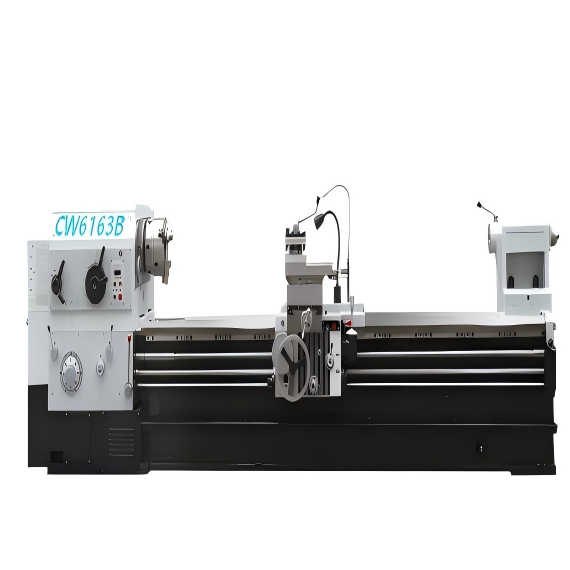
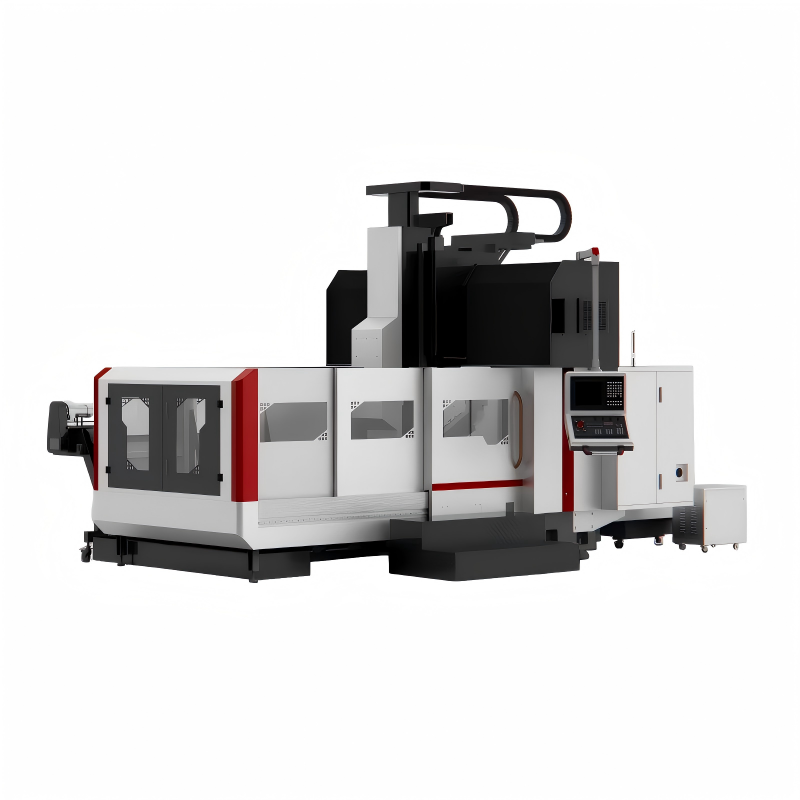
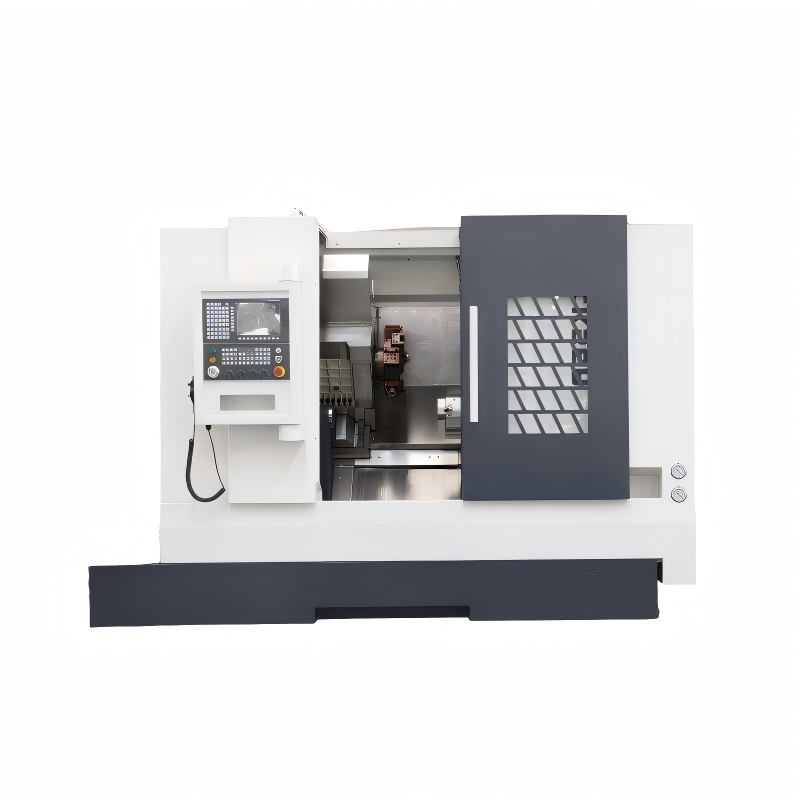
The Machining Center, a cornerstone of modern manufacturing, has evolved significantly over the years. With advancements in technology, these machines have become more efficient, versatile, and capable of handling complex tasks. This report aims to explore how advanced machining center solutions can maximize productivity in today's competitive industrial landscape. By leveraging the latest technologies and innovative strategies, manufacturers can achieve higher output, improved quality, and reduced costs.
Efficiency is a critical factor in the success of any manufacturing operation. Advanced machining centers offer several features that can significantly enhance efficiency, leading to increased productivity and profitability.
One of the key components of an advanced machining center is the high-speed spindle. These spindles can rotate at much higher speeds than traditional ones, allowing for faster cutting and drilling operations. The increased speed not only reduces cycle times but also improves surface finish, resulting in better product quality. Additionally, high-speed spindles are often equipped with advanced cooling systems, which help maintain optimal operating temperatures and extend the life of the tooling.
Automated tool changers are another feature that greatly enhances the efficiency of machining centers. These systems allow for rapid and precise changes between different tools, minimizing downtime and increasing the overall throughput of the machine. By automating the tool-changing process, operators can focus on other tasks, such as monitoring the machine's performance or preparing for the next job. This not only saves time but also reduces the risk of human error, ensuring consistent and reliable results.
Advanced machining centers often come with multi-axis capabilities, allowing for the simultaneous movement of multiple axes. This feature enables the machine to perform complex operations in a single setup, reducing the need for manual repositioning and improving overall efficiency. Multi-axis machining is particularly beneficial for producing intricate parts with tight tolerances, as it ensures high precision and accuracy. Moreover, it can handle a wide range of materials, from metals to composites, making it a versatile solution for various industries.
Maximizing productivity in a machining center goes beyond just the machine itself; it also involves optimizing the entire workflow and minimizing downtime. By implementing effective strategies and utilizing advanced technologies, manufacturers can create a more streamlined and efficient production environment.
Predictive maintenance is a proactive approach to maintaining machinery, which involves using data and analytics to predict when maintenance is needed. By monitoring the condition of the machine and its components, predictive maintenance can identify potential issues before they lead to breakdowns or failures. This allows for timely repairs and replacements, reducing unplanned downtime and extending the lifespan of the equipment. Additionally, predictive maintenance can help optimize the use of resources, such as spare parts and labor, by scheduling maintenance activities more efficiently.
Integrated software solutions play a crucial role in optimizing the workflow of a machining center. These solutions can include computer-aided design (CAD) and computer-aided manufacturing (CAM) software, which enable seamless communication between the design and manufacturing processes. By using CAD/CAM software, manufacturers can create detailed 3D models of parts and generate precise toolpaths, ensuring that the machining center operates at its full potential. Furthermore, integrated software can provide real-time monitoring and control, allowing operators to make adjustments on the fly and respond quickly to any issues that may arise.
Implementing lean manufacturing principles is another effective way to optimize workflow and reduce downtime. Lean manufacturing focuses on eliminating waste and improving efficiency throughout the production process. This can be achieved through various methods, such as streamlining workflows, reducing inventory, and improving communication between different departments. By adopting lean principles, manufacturers can create a more agile and responsive production environment, where resources are used more effectively, and bottlenecks are minimized. This not only leads to higher productivity but also improves the overall quality of the products.
Conclusion
Advanced machining center solutions offer a multitude of benefits that can significantly enhance productivity in manufacturing operations. By leveraging high-speed spindles, automated tool changers, and multi-axis capabilities, manufacturers can achieve higher efficiency and better quality. Additionally, optimizing the workflow through predictive maintenance, integrated software solutions, and lean manufacturing principles can further improve productivity and reduce downtime. As the manufacturing industry continues to evolve, embracing these advanced technologies and strategies will be essential for staying competitive and meeting the demands of the market.
 04/06/2026
In the ever-evolving landscape of manufacturing, Machining Center innovations are playing a pivotal role in shaping the future. These advanced machines, designed to perform multiple operations with high precision and efficiency, are not only improving pro
Read More04/06/2026In the rapidly evolving aerospace industry, machining centers have emerged as pivotal tools for advancing manufacturing processes. These advanced machines not only enhance productivity but also play a crucial role in maintaining the high standards of prec
Read More03/06/2026IntroductionIn the realm of modern manufacturing, machining centers play a pivotal role in transforming raw materials into finished products. These advanced machines are designed to perform multiple operations such as milling, drilling, and turning, all w
Read More02/06/2026In today’s competitive manufacturing environment, the quest for enhancing product quality while simultaneously reducing operational costs has become a critical success factor. The integration of state-of-the-art machining centers into production processes
Read More01/06/2026In the realm of modern manufacturing, the role of a machining center, especially those controlled by Computer Numerical Control (CNC) systems, has become increasingly prominent. These machines are not just tools; they represent a significant leap in techn
Read More30/05/2026IntroductionThe machining industry is on the cusp of a transformative era, driven by advancements in Machining Center technology. As we look towards the future, it becomes increasingly clear that innovations in this field will not only enhance productivit
Read More29/05/2026IntroductionThe selection of the right machining center is a critical decision for any manufacturing operation, as it directly impacts productivity, efficiency, and overall profitability. A machining center, also known as a CNC (Computer Numerical Control
Read More28/05/2026The automotive industry, a cornerstone of modern manufacturing, is experiencing an unprecedented transformation driven by the integration of advanced technologies. Among these, machining centers are playing a pivotal role in revolutionizing production pro
Read More26/05/2026In the realm of precision manufacturing, the machining center stands as a cornerstone technology, offering unparalleled versatility and efficiency. This document explores how modern advancements in machining centers are revolutionizing the industry, focus
Read MoreOur professional sales team is always ready to assist you.