Introduction
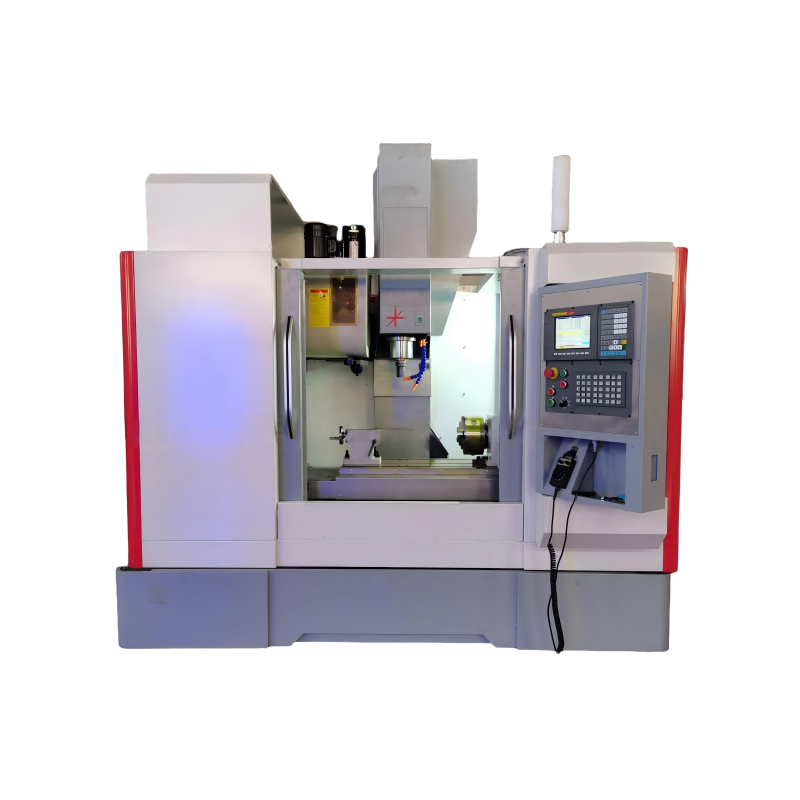
The machining industry is on the cusp of a transformative era, driven by advancements in Machining Center technology. As we look towards the future, it becomes increasingly clear that innovations in this field will not only enhance productivity and efficiency but also pave the way for more sustainable manufacturing practices. This report delves into the key developments expected to shape the future of machining, focusing particularly on how advancements in Machining Center technology are revolutionizing the sector.
1. Enhanced Precision and Flexibility
One of the most significant trends in Machining Center technology is the continuous improvement in precision and flexibility. These enhancements are critical for meeting the increasingly complex demands of modern manufacturing.
1.1 Advanced Control Systems
Modern Machining Centers are equipped with advanced control systems that allow for real-time adjustments during the machining process. These systems utilize sophisticated algorithms to predict and correct errors, ensuring that parts are machined to exact specifications. The integration of AI and machine learning further enhances these capabilities, enabling the machines to learn from past operations and improve over time.
1.2 Multi-Tasking Capabilities
Another key development is the ability of Machining Centers to perform multiple tasks simultaneously. This multi-tasking capability reduces the need for transferring workpieces between different machines, thereby minimizing setup times and increasing overall productivity. For example, a single Machining Center can now handle milling, turning, and drilling operations, making it a versatile tool for various manufacturing processes.
1.3 High-Precision Tooling
Innovations in tooling have also played a crucial role in enhancing the precision of Machining Centers. New materials and designs have led to the development of cutting tools that can achieve higher tolerances and longer tool life. Additionally, the use of advanced coatings and cooling systems has further improved the performance and durability of these tools, ensuring consistent and high-quality results.
2. Integration of Smart Technologies
The integration of smart technologies is another major trend in the evolution of Machining Center technology. These technologies are transforming the way machines operate, making them more intelligent, efficient, and connected.
2.1 Internet of Things (IoT) and Connectivity
The Internet of Things (IoT) has enabled Machining Centers to become part of a larger, interconnected network. Sensors embedded in the machines can collect data on various parameters such as temperature, vibration, and wear. This data is then transmitted to a central system where it can be analyzed to optimize performance, predict maintenance needs, and prevent downtime. The connectivity provided by IoT also allows for remote monitoring and control, enhancing the flexibility and responsiveness of the manufacturing process.
2.2 Predictive Maintenance
Predictive maintenance is a game-changer in the machining industry. By leveraging the data collected through IoT, Machining Centers can predict when maintenance is required before a failure occurs. This proactive approach not only reduces downtime but also extends the lifespan of the equipment. Machine learning algorithms can analyze historical data to identify patterns and anomalies, providing insights that help in planning maintenance activities more effectively.
2.3 Augmented Reality (AR) and Virtual Reality (VR)
The use of Augmented Reality (AR) and Virtual Reality (VR) in Machining Centers is an emerging trend that holds great promise. AR and VR technologies can be used for training operators, simulating machining processes, and visualizing the final product. For instance, AR can overlay digital information onto the physical workspace, guiding operators through complex procedures and reducing the likelihood of errors. VR, on the other hand, can create immersive simulations that allow engineers to test and refine their designs before actual production, saving time and resources.
Conclusion
The future of machining is bright, with Machining Center technology at the forefront of innovation. Enhanced precision and flexibility, along with the integration of smart technologies, are driving the industry towards greater efficiency, sustainability, and productivity. As these advancements continue to evolve, they will undoubtedly play a pivotal role in shaping the future of manufacturing, making it more adaptable and responsive to the ever-changing demands of the global market.
 04/06/2026
In the ever-evolving landscape of manufacturing, Machining Center innovations are playing a pivotal role in shaping the future. These advanced machines, designed to perform multiple operations with high precision and efficiency, are not only improving pro
Read More04/06/2026In the rapidly evolving aerospace industry, machining centers have emerged as pivotal tools for advancing manufacturing processes. These advanced machines not only enhance productivity but also play a crucial role in maintaining the high standards of prec
Read More03/06/2026IntroductionIn the realm of modern manufacturing, machining centers play a pivotal role in transforming raw materials into finished products. These advanced machines are designed to perform multiple operations such as milling, drilling, and turning, all w
Read More02/06/2026In today’s competitive manufacturing environment, the quest for enhancing product quality while simultaneously reducing operational costs has become a critical success factor. The integration of state-of-the-art machining centers into production processes
Read More01/06/2026In the realm of modern manufacturing, the role of a machining center, especially those controlled by Computer Numerical Control (CNC) systems, has become increasingly prominent. These machines are not just tools; they represent a significant leap in techn
Read More31/05/2026IntroductionThe machining center, a cornerstone of modern manufacturing, has evolved significantly over the years. With advancements in technology, these machines have become more efficient, versatile, and capable of handling complex tasks. This report ai
Read More29/05/2026IntroductionThe selection of the right machining center is a critical decision for any manufacturing operation, as it directly impacts productivity, efficiency, and overall profitability. A machining center, also known as a CNC (Computer Numerical Control
Read More28/05/2026The automotive industry, a cornerstone of modern manufacturing, is experiencing an unprecedented transformation driven by the integration of advanced technologies. Among these, machining centers are playing a pivotal role in revolutionizing production pro
Read More26/05/2026In the realm of precision manufacturing, the machining center stands as a cornerstone technology, offering unparalleled versatility and efficiency. This document explores how modern advancements in machining centers are revolutionizing the industry, focus
Read MoreOur professional sales team is always ready to assist you.