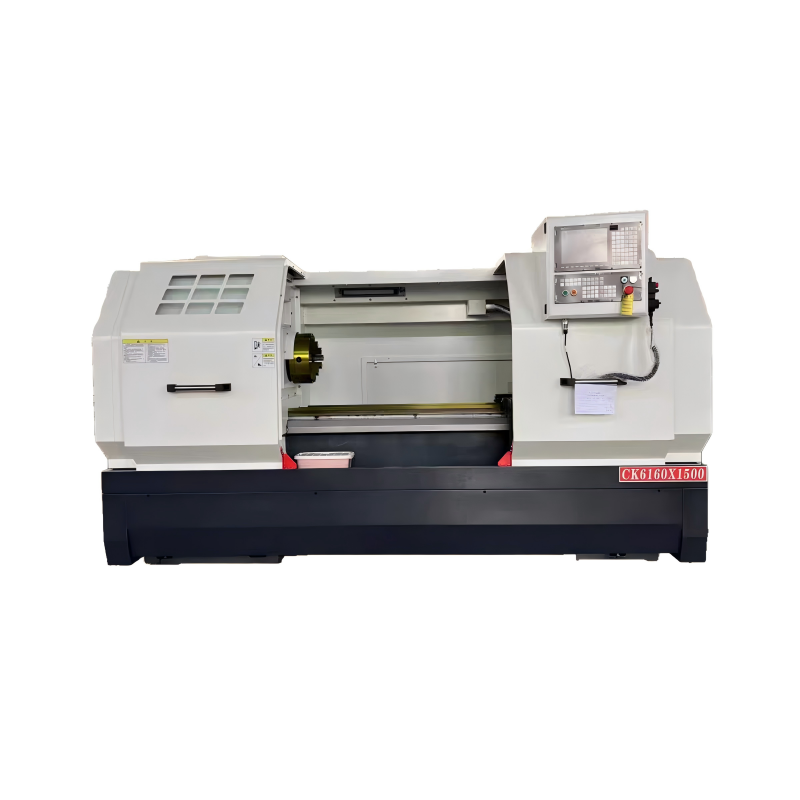
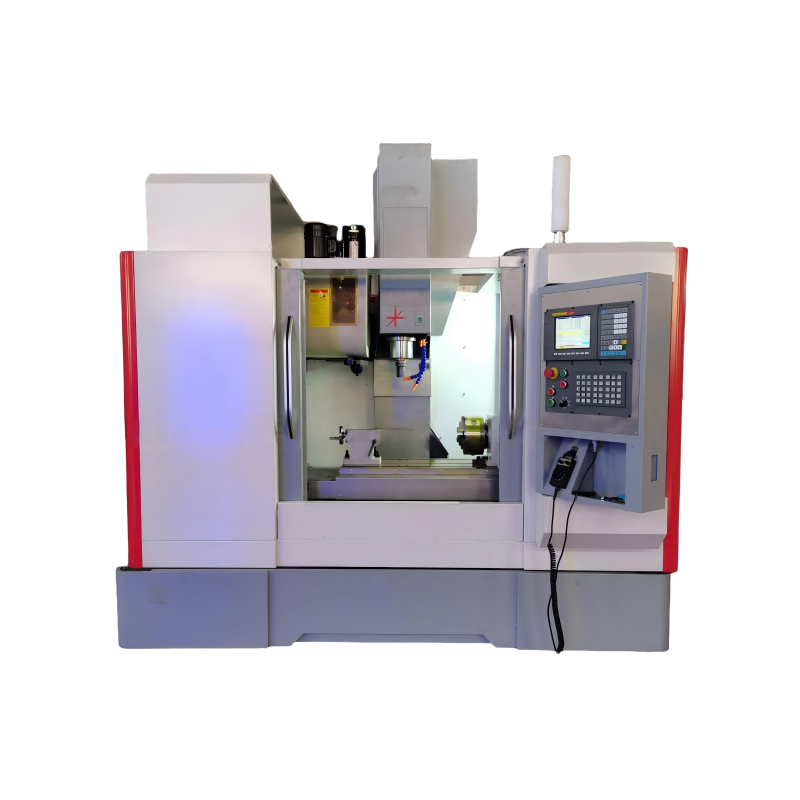
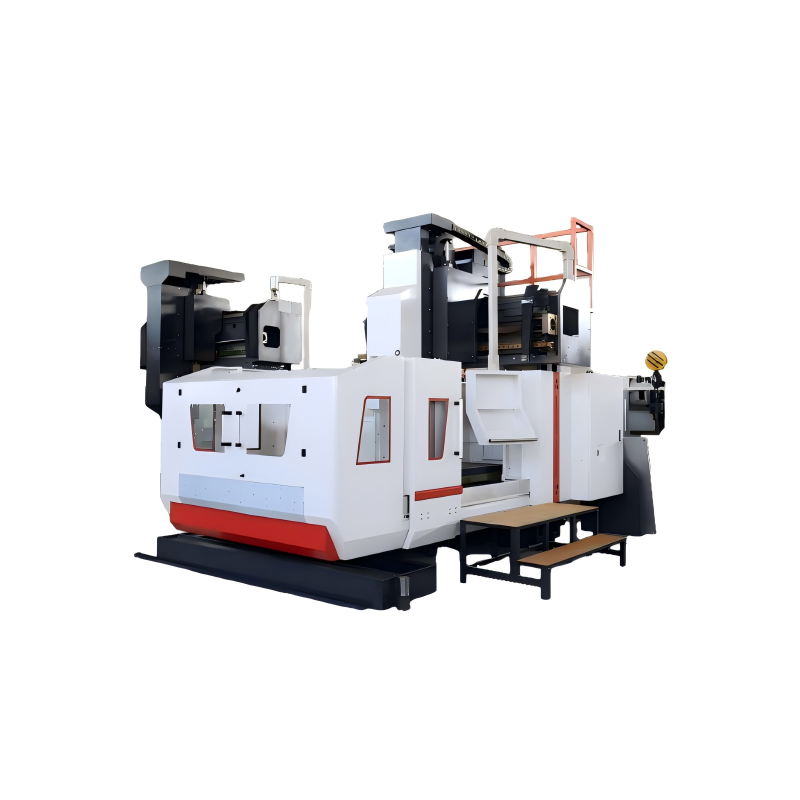
The export of CNC (Computer Numerical Control) machine tools from China has been on a steady rise over the past few decades, transforming the country into one of the world's leading exporters. This report delves into the complexities and potential opportunities associated with CNC machine tool export from China, providing insights for businesses and policymakers alike.
The global demand for high-precision manufacturing solutions has surged, driven by advancements in technology and an increasing need for customization in production processes. Chinese CNC machine tools have become increasingly popular due to their competitive pricing, improved quality, and the ability to meet diverse industrial requirements. The automotive, aerospace, and electronics sectors are among the major consumers of these machines, contributing significantly to the growth of the CNC machine tool export market from China. Moreover, the integration of smart technologies, such as IoT (Internet of Things) and AI (Artificial Intelligence), into CNC systems is further enhancing their appeal in international markets.
Despite the growing demand, exporting CNC machine tools from China faces several challenges, including trade barriers and regulatory hurdles. Tariffs, quotas, and technical standards imposed by importing countries can significantly affect the competitiveness of Chinese CNC machines. To overcome these obstacles, manufacturers must stay informed about the latest trade policies and regulations. Additionally, obtaining certifications that comply with international standards, such as ISO 9001 for quality management, can help build trust and credibility with foreign buyers. Collaboration with local partners and establishing a robust after-sales service network can also mitigate some of the risks associated with entering new markets.
To maintain and enhance its position in the global CNC machine tool market, China must continue to invest in research and development (R&D). Technological innovation is key to staying ahead of competitors and meeting the evolving needs of customers. For instance, the development of more energy-efficient and environmentally friendly CNC machines can open up new market opportunities. Furthermore, the adoption of Industry 4.0 principles, which emphasize the integration of advanced manufacturing techniques and digital technologies, can lead to the creation of highly flexible and intelligent CNC systems. By focusing on innovation, Chinese manufacturers can not only improve the performance and reliability of their products but also reduce costs, making them even more attractive to international buyers.
Creating a strong brand identity and market presence is crucial for the long-term success of CNC machine tool exports from China. A well-established brand can command premium prices and foster customer loyalty. To achieve this, manufacturers should focus on developing a clear and consistent brand message that highlights the unique features and benefits of their CNC machines. Participating in international trade fairs and exhibitions, leveraging digital marketing channels, and engaging in strategic partnerships with key industry players can all contribute to building a strong brand. Additionally, investing in customer relationship management (CRM) systems and providing excellent after-sales support can help in retaining existing customers and attracting new ones.
Sustainability and ethical manufacturing practices are becoming increasingly important in the global marketplace. Consumers and businesses are now more aware of the environmental and social impact of the products they purchase. Chinese CNC machine tool manufacturers can gain a competitive edge by adopting sustainable manufacturing processes and ensuring fair labor practices. This includes reducing waste, using eco-friendly materials, and implementing energy-efficient production methods. Certifications such as LEED (Leadership in Energy and Environmental Design) and SA8000 (Social Accountability International) can provide additional assurance to buyers regarding the sustainability and ethical standards of the manufacturing process. By prioritizing sustainability, Chinese manufacturers can not only meet the expectations of environmentally conscious customers but also contribute to a more responsible and sustainable future.
In conclusion, the export of CNC machine tools from China presents both significant opportunities and challenges. By understanding and addressing the global demand, navigating trade barriers, investing in innovation, building a strong brand, and prioritizing sustainability, Chinese manufacturers can continue to thrive in the international market. As the industry evolves, it will be essential for stakeholders to remain adaptable and responsive to changing market conditions and technological advancements.
 16/06/2026
China has become a major player in the global manufacturing sector, with its exports of CNC (Computer Numerical Control) machine tools growing significantly over the past decade. The country's robust supply chain, competitive pricing, and advancements in
Read More16/06/2026Over the past few decades, China has emerged as a global leader in the manufacturing sector, with a significant focus on advanced technologies such as Computer Numerical Control (CNC) machine tools. The export of CNC machine tools from China is not only a
Read More16/06/2026China, over the past few decades, has become a significant player in the global CNC machine tool market. With its vast manufacturing base and increasing technological capabilities, the country has not only met domestic demands but also emerged as a leadin
Read More16/06/2026When it comes to the global market, China stands out as one of the leading exporters of CNC (Computer Numerical Control) machine tools. This comprehensive guide aims to provide an in-depth understanding of how to choose the best CNC machine tools for expo
Read More16/06/2026As global trade continues to evolve, the import of CNC machine tool export from China has become a significant aspect for many manufacturing companies. The complexity of this process, however, can be daunting for those unfamiliar with the intricacies invo
Read More16/06/2026China has become a global leader in the production and export of CNC (Computer Numerical Control) machine tools, which are essential for various manufacturing processes. As the demand for high-precision machinery continues to grow, Chinese manufacturers h
Read More16/06/2026Understanding the Global Demand for CNC Machine ToolsThe global market for Computer Numerical Control (CNC) machine tools has been expanding steadily, driven by the increasing demand from various sectors such as automotive, aerospace, and electronics. As
Read More15/06/2026Over the past decade, China has emerged as a global leader in the production and export of CNC (Computer Numerical Control) machine tools. This rise is not only indicative of China's growing technological capabilities but also reflects its increasing infl
Read More15/06/2026IntroductionThe global demand for CNC (Computer Numerical Control) machine tools is on the rise, driven by the increasing need for precision and efficiency in manufacturing. As a leading exporter, China has become a pivotal player in this market, supplyin
Read More15/06/2026China has emerged as a global leader in the manufacturing and export of CNC (Computer Numerical Control) machine tools, playing an increasingly significant role in shaping the future of this industry. This report delves into the trends, challenges, and op
Read More15/06/2026China, as a global manufacturing powerhouse, has been playing an increasingly significant role in the export of CNC (Computer Numerical Control) machine tools. This report aims to provide a comprehensive overview of the current state and future prospects
Read More15/06/2026In the ever-evolving landscape of global manufacturing, the rise of CNC (Computer Numerical Control) machine tools from China has been a significant trend. This report delves into the reasons behind the dominance of Chinese CNC machines in the internation
Read More15/06/2026The export of CNC machine tools from China has witnessed a remarkable increase in 2023, reflecting the country's growing influence in the global manufacturing sector. This report delves into the key factors driving this growth, examines the current market
Read More15/06/2026China has emerged as a global leader in the manufacturing and export of CNC (Computer Numerical Control) machine tools, offering a wide range of products that cater to diverse industrial needs. The advantages of sourcing CNC machines from Chinese manufact
Read More15/06/2026China, being one of the largest producers and exporters of CNC machine tools, plays a pivotal role in supplying these high-precision machines to various industries across the globe. For international buyers, understanding the nuances of importing CNC mach
Read MoreOur professional sales team is always ready to assist you.