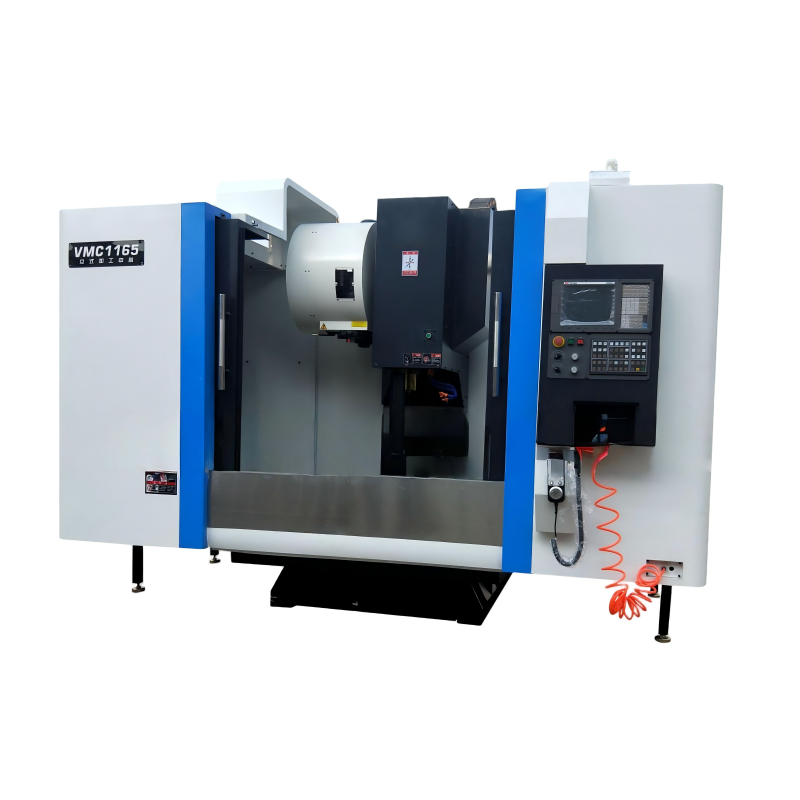
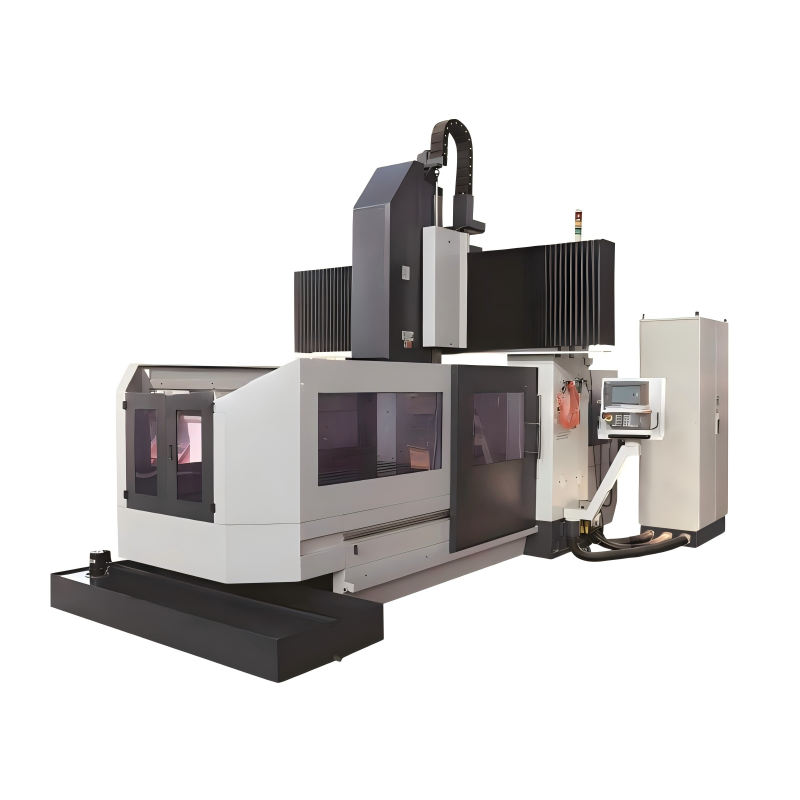
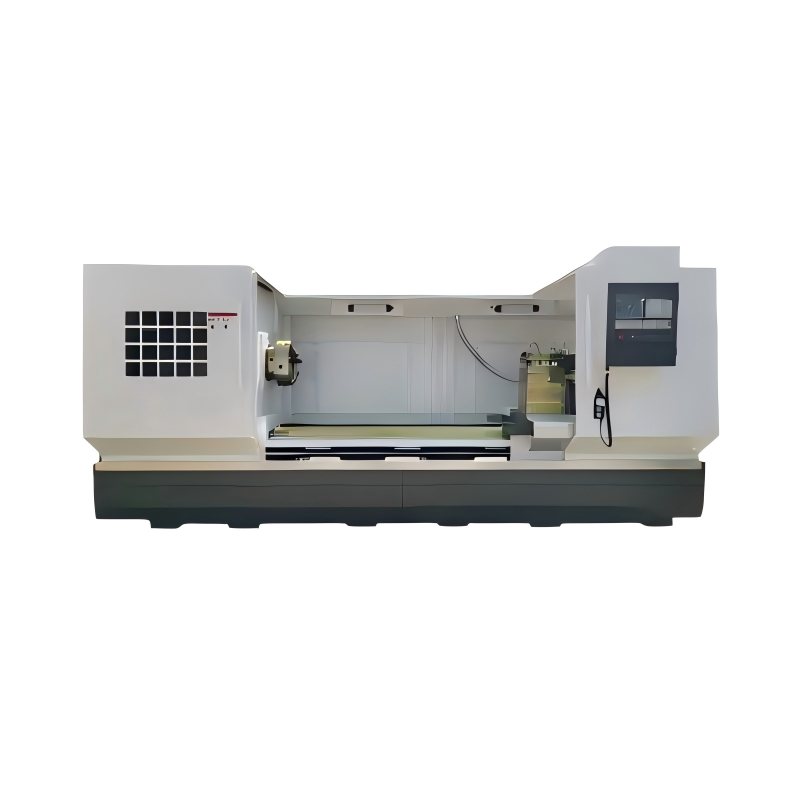
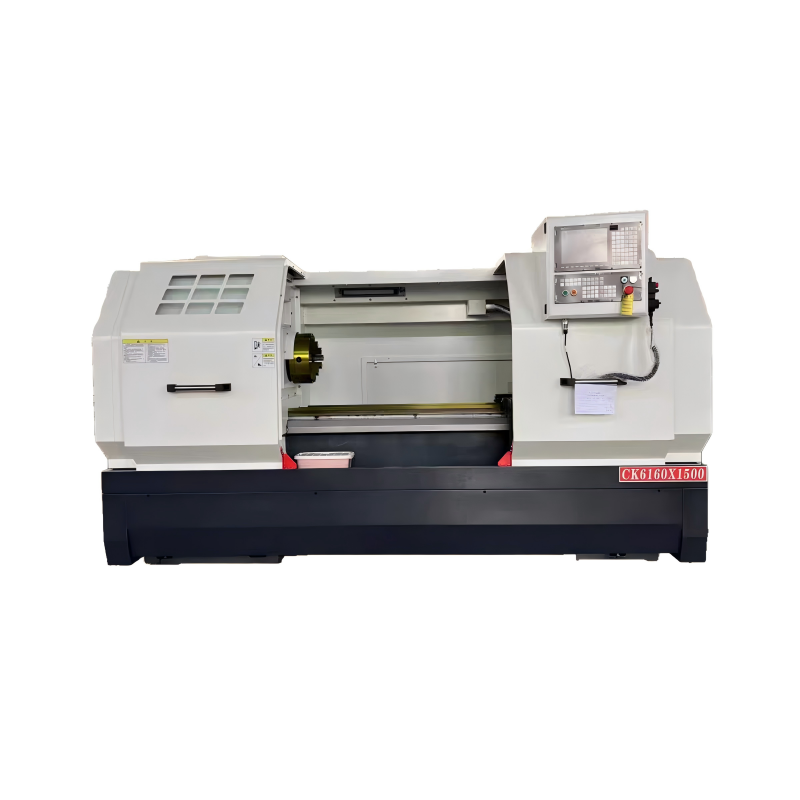
In the realm of machine tool design, the selection between a Box Way and a Hard Way VMC (Vertical Machining Center) is a critical decision that impacts not only the initial investment but also long-term operational efficiency, maintenance costs, and overall productivity. This technical report aims to explore the challenges associated with the Hard Way in VMC design, providing insights into why this approach, despite its apparent complexities, may offer significant advantages under certain conditions.
The term "Hard Way" in the context of VMCs refers to the use of hardened steel ways or rails, which are precision ground for high accuracy and durability. Unlike the Box Way, which uses a dovetail slide mechanism, the Hard Way relies on linear guides that offer reduced friction, allowing for higher speeds and smoother operation. However, these benefits come with their own set of challenges, particularly in terms of installation, alignment, and ongoing maintenance.
One of the primary advantages of the Hard Way is its ability to achieve very high precision and repeatability. The hardened steel ways provide a stable platform for the machine's moving components, ensuring that the cutting tool follows the programmed path with minimal deviation. This is especially important in applications requiring tight tolerances, such as aerospace and medical device manufacturing.
One of the most significant challenges in implementing the Hard Way in VMC design is the need for precise installation and alignment. The linear guides must be perfectly level and parallel to ensure smooth movement and prevent wear. Any misalignment can lead to increased friction, premature wear, and ultimately, reduced machine life. Achieving this level of precision requires specialized tools and skilled technicians, adding to the initial setup costs.
Additionally, the environment in which the VMC operates can also impact the performance of the Hard Way. Factors such as temperature variations, vibration, and contamination can affect the alignment and stability of the linear guides. For example, thermal expansion and contraction can cause the guides to shift, leading to inaccuracies in the machining process. Therefore, it is crucial to consider the operating environment and implement appropriate measures to mitigate these effects.
While the Hard Way offers superior performance, it also comes with higher maintenance requirements compared to the Box Way. Regular lubrication, cleaning, and inspection are essential to ensure the longevity and reliability of the linear guides. Neglecting these tasks can result in rapid wear and potential failure, leading to costly downtime and repairs.
However, modern advancements in lubrication technology and the use of high-quality materials have significantly improved the durability of the Hard Way. For instance, the use of synthetic lubricants and self-lubricating bearings can reduce the frequency of maintenance and extend the service life of the guides. Additionally, some manufacturers offer predictive maintenance solutions, such as condition monitoring systems, which can help detect issues before they become critical, thereby reducing the risk of unexpected failures.
From an economic standpoint, the initial cost of a VMC with the Hard Way is typically higher than one with the Box Way due to the precision engineering and specialized components involved. However, the long-term benefits, such as improved accuracy, higher productivity, and extended machine life, can often justify the additional investment. In industries where precision and speed are paramount, the Hard Way can provide a competitive edge by enabling faster production cycles and higher quality output.
Moreover, the reduced friction and smoother operation of the Hard Way can lead to lower energy consumption, contributing to cost savings over the machine's lifetime. Additionally, the ability to achieve tighter tolerances can open up new business opportunities, such as entering high-precision markets that were previously inaccessible.
In conclusion, while the Hard Way in VMC design presents several challenges, including precise installation, environmental considerations, and higher maintenance requirements, it also offers significant advantages in terms of precision, speed, and long-term performance. By carefully addressing these challenges and leveraging modern technologies, manufacturers can unlock the full potential of the Hard Way, ensuring that their VMCs deliver optimal results and a strong return on investment.
Ultimately, the choice between the Box Way and the Hard Way should be based on a thorough analysis of the specific application requirements, budget constraints, and long-term goals. With the right approach, the Hard Way can be a powerful tool for achieving excellence in machining operations.
 24/06/2026
In the realm of manufacturing, precision and efficiency are paramount. One particular area that demands meticulous attention to detail is VMC (Vertical Machining Center) manufacturing. This report delves into the challenges associated with the "Hard Way"
Read More24/06/2026In the realm of manufacturing and machining, precision and stability are paramount. Vertical Machining Centers (VMCs) have become an integral part of modern manufacturing processes due to their versatility and efficiency. One critical component that signi
Read More24/06/2026The Evolution of VMC Technology: A Focus on Structural ComponentsIn the world of vertical machining centers (VMCs), the quest for precision, durability, and efficiency has driven significant advancements in design and technology. Two key structural compon
Read More23/06/2026Understanding the Core of Box Way Technology in VMCIn the realm of modern Vertical Machining Centers (VMC), the design and implementation of guide ways play a crucial role in determining the machine's performance, precision, and longevity. Among the vario
Read More23/06/2026Introduction to Box Way Systems in VMCIn the realm of Vertical Machining Centers (VMCs), the choice between different guiding systems can significantly impact the performance and longevity of the machine. Among these, the Box Way system stands out for its
Read More23/06/2026When it comes to selecting the right way for your Vertical Machining Center (VMC), understanding the differences between Box Way and Hard Way is crucial. These two systems represent different approaches to the machine's movement, each with its own set of
Read More23/06/2026In the realm of modern Vertical Machining Centers (VMCs), the choice between box way and hard way systems significantly impacts machine performance, longevity, and overall efficiency. This report delves into the advantages of box way systems in VMC techno
Read MoreOur professional sales team is always ready to assist you.