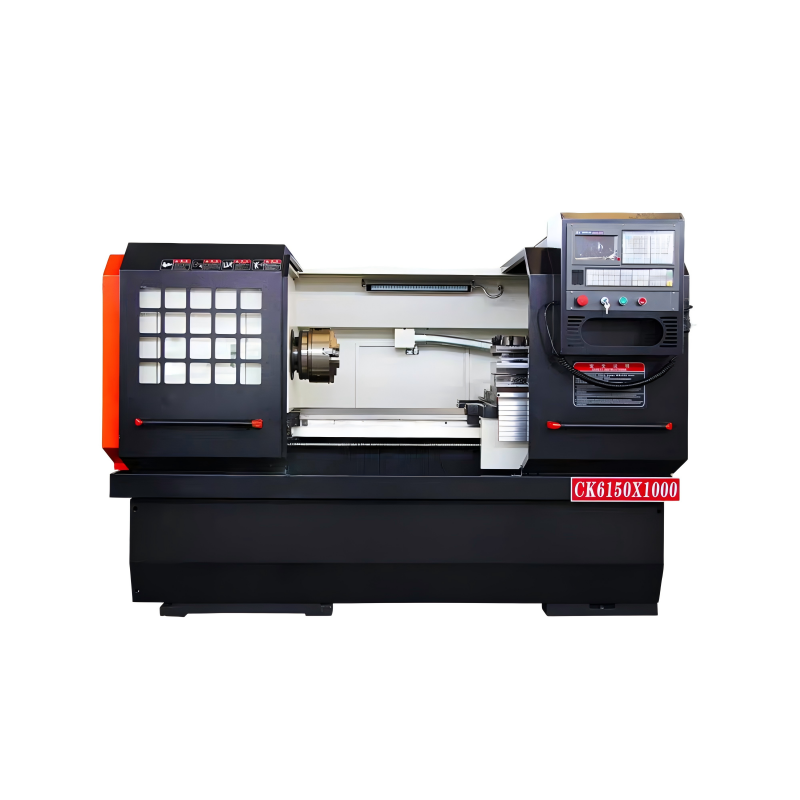
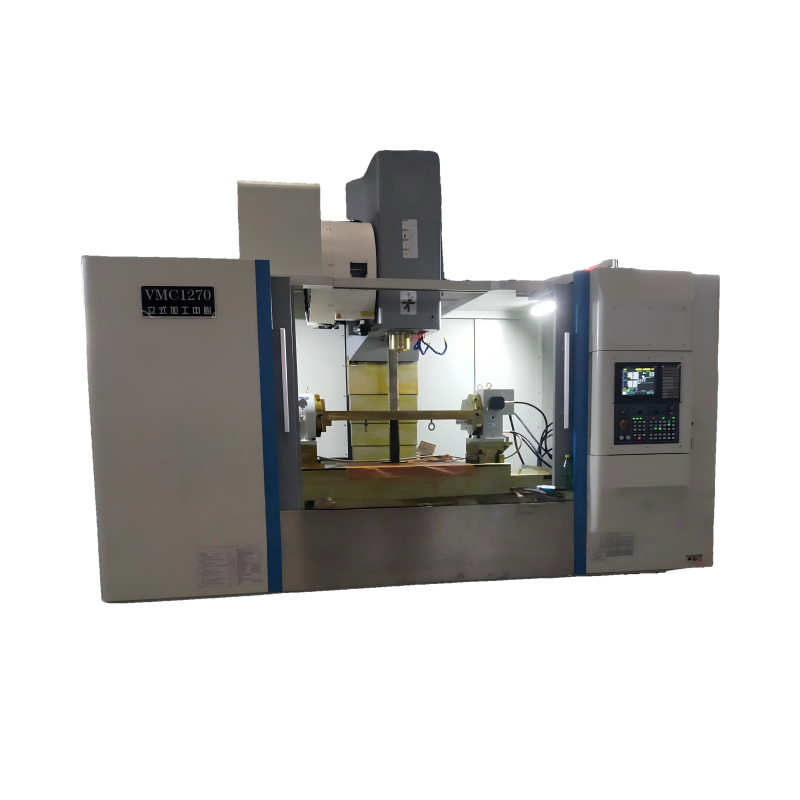
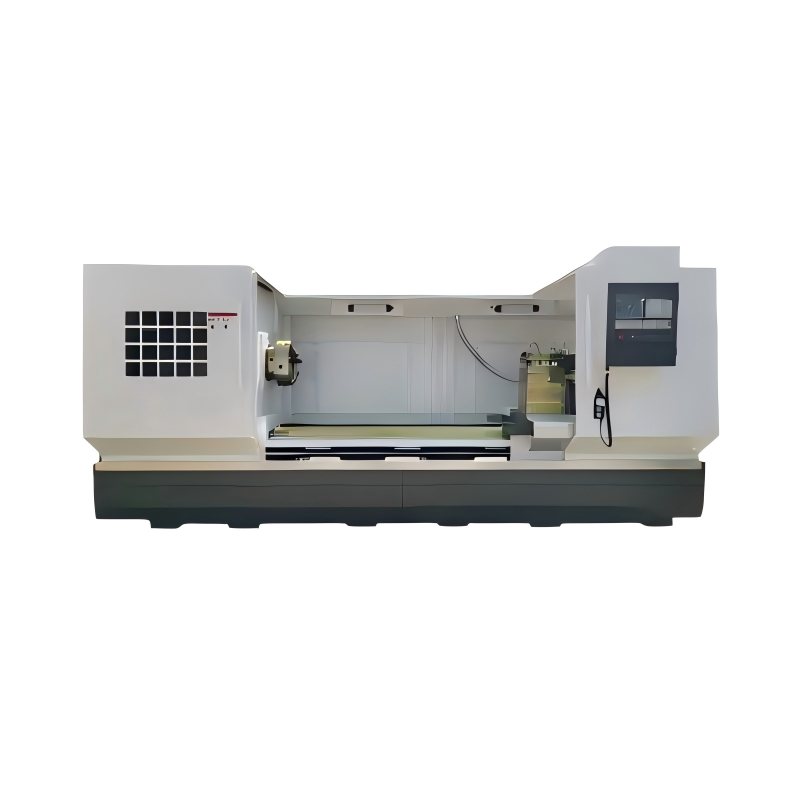
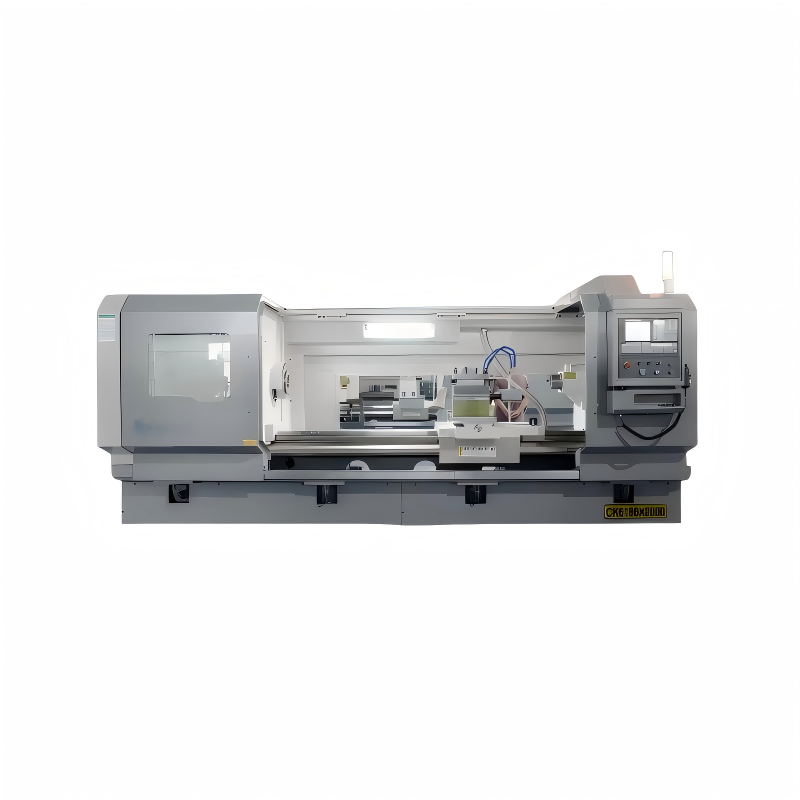
As global trade continues to evolve, the import of CNC machine tool export from China has become a significant aspect for many manufacturing companies. The complexity of this process, however, can be daunting for those unfamiliar with the intricacies involved. This report aims to provide a comprehensive guide on navigating these complexities, offering insights and practical advice to ensure a smooth and successful import experience.
The Chinese market is one of the largest and most competitive in the world when it comes to CNC machinery. With a vast array of manufacturers and suppliers, understanding the landscape is crucial. Key factors to consider include the quality standards, technological advancements, and the reputation of the suppliers. Conducting thorough research and due diligence is essential to identify reliable and high-quality CNC machine tool exporters from China. This involves evaluating the supplier’s track record, customer reviews, and certifications. Additionally, understanding the local regulations and compliance requirements is vital to avoid any legal or operational issues.
Importing CNC machinery from China involves navigating a complex web of regulatory and compliance requirements. These requirements can vary significantly depending on the destination country and the specific type of machinery being imported. It is imperative to familiarize yourself with the relevant international trade laws, customs regulations, and safety standards. For instance, the European Union has stringent CE marking requirements, while the United.S. has its own set of regulations enforced by the Occupational Safety and Health Administration (OSHA). Engaging with a knowledgeable customs broker or trade consultant can be invaluable in ensuring that all necessary documentation and certifications are in place. This includes obtaining the required import licenses, completing the necessary paperwork, and ensuring that the machinery meets all safety and quality standards.
Effective logistics and supply chain management are critical for the successful import of CNC machinery from China. The process involves several key steps, including transportation, warehousing, and distribution. One of the primary challenges is the distance and time involved in shipping from China to the destination country. This can lead to increased costs and potential delays. To mitigate these risks, it is important to work with experienced logistics providers who have a strong network and can offer end-to-end solutions. Additionally, proper packaging and handling are essential to prevent damage during transit. Ensuring that the machinery is properly insured against potential losses or damages is also a crucial step. Furthermore, establishing a robust communication channel with the supplier and logistics partners can help in tracking the shipment and addressing any issues that may arise promptly.
Cost is a significant factor when importing CNC machinery from China. While Chinese suppliers often offer competitive pricing, it is important to consider the total cost of ownership (TCO) rather than just the initial purchase price. This includes factors such as shipping costs, customs duties, taxes, and any additional fees associated with the import process. Additionally, the cost of maintenance, spare parts, and technical support should be factored into the TCO. It is advisable to obtain detailed quotes from multiple suppliers and compare them to ensure that you are getting the best value for your investment. Negotiating terms and conditions, such as payment methods and delivery schedules, can also help in managing the financial aspects more effectively. Finally, considering the long-term benefits and return on investment (ROI) of the machinery is crucial in making an informed decision.
Quality and performance are paramount when it comes to CNC machinery. To ensure that the imported machinery meets the required standards, it is essential to conduct thorough inspections and testing. This can be done at various stages, including pre-shipment inspection, upon arrival, and during the installation and commissioning process. Engaging with third-party inspection services can provide an independent assessment of the machinery’s quality and performance. Additionally, it is important to verify that the machinery complies with the relevant industry standards and specifications. This includes checking for any defects, ensuring that the machinery is in good working condition, and confirming that it meets the specified technical requirements. Regular maintenance and servicing are also crucial to ensure the longevity and optimal performance of the machinery.
In conclusion, importing CNC machine tool export from China requires a comprehensive and strategic approach. By understanding the Chinese market, navigating regulatory and compliance requirements, managing logistics and supply chain considerations, evaluating cost and financial factors, and ensuring quality and performance, companies can successfully import high-quality CNC machinery. This report provides a roadmap to help navigate the complexities and achieve a seamless import experience.
 16/06/2026
China has become a major player in the global manufacturing sector, with its exports of CNC (Computer Numerical Control) machine tools growing significantly over the past decade. The country's robust supply chain, competitive pricing, and advancements in
Read More16/06/2026The export of CNC (Computer Numerical Control) machine tools from China has been on a steady rise over the past few decades, transforming the country into one of the world's leading exporters. This report delves into the complexities and potential opportu
Read More16/06/2026Over the past few decades, China has emerged as a global leader in the manufacturing sector, with a significant focus on advanced technologies such as Computer Numerical Control (CNC) machine tools. The export of CNC machine tools from China is not only a
Read More16/06/2026China, over the past few decades, has become a significant player in the global CNC machine tool market. With its vast manufacturing base and increasing technological capabilities, the country has not only met domestic demands but also emerged as a leadin
Read More16/06/2026When it comes to the global market, China stands out as one of the leading exporters of CNC (Computer Numerical Control) machine tools. This comprehensive guide aims to provide an in-depth understanding of how to choose the best CNC machine tools for expo
Read More16/06/2026China has become a global leader in the production and export of CNC (Computer Numerical Control) machine tools, which are essential for various manufacturing processes. As the demand for high-precision machinery continues to grow, Chinese manufacturers h
Read More16/06/2026Understanding the Global Demand for CNC Machine ToolsThe global market for Computer Numerical Control (CNC) machine tools has been expanding steadily, driven by the increasing demand from various sectors such as automotive, aerospace, and electronics. As
Read More15/06/2026Over the past decade, China has emerged as a global leader in the production and export of CNC (Computer Numerical Control) machine tools. This rise is not only indicative of China's growing technological capabilities but also reflects its increasing infl
Read More15/06/2026IntroductionThe global demand for CNC (Computer Numerical Control) machine tools is on the rise, driven by the increasing need for precision and efficiency in manufacturing. As a leading exporter, China has become a pivotal player in this market, supplyin
Read More15/06/2026China has emerged as a global leader in the manufacturing and export of CNC (Computer Numerical Control) machine tools, playing an increasingly significant role in shaping the future of this industry. This report delves into the trends, challenges, and op
Read More15/06/2026China, as a global manufacturing powerhouse, has been playing an increasingly significant role in the export of CNC (Computer Numerical Control) machine tools. This report aims to provide a comprehensive overview of the current state and future prospects
Read More15/06/2026In the ever-evolving landscape of global manufacturing, the rise of CNC (Computer Numerical Control) machine tools from China has been a significant trend. This report delves into the reasons behind the dominance of Chinese CNC machines in the internation
Read More15/06/2026The export of CNC machine tools from China has witnessed a remarkable increase in 2023, reflecting the country's growing influence in the global manufacturing sector. This report delves into the key factors driving this growth, examines the current market
Read More15/06/2026China has emerged as a global leader in the manufacturing and export of CNC (Computer Numerical Control) machine tools, offering a wide range of products that cater to diverse industrial needs. The advantages of sourcing CNC machines from Chinese manufact
Read More15/06/2026China, being one of the largest producers and exporters of CNC machine tools, plays a pivotal role in supplying these high-precision machines to various industries across the globe. For international buyers, understanding the nuances of importing CNC mach
Read MoreOur professional sales team is always ready to assist you.