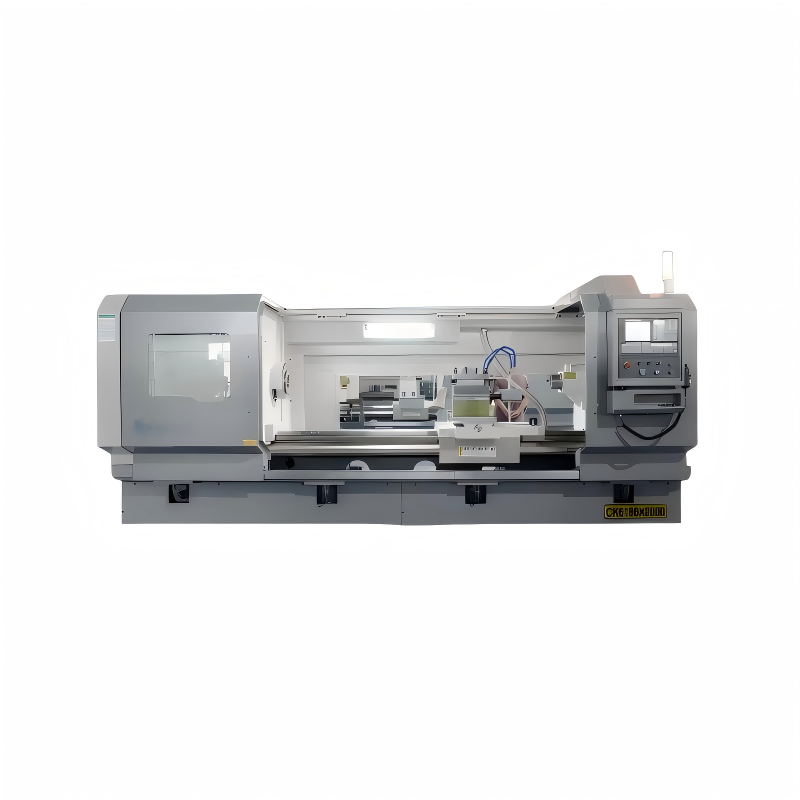
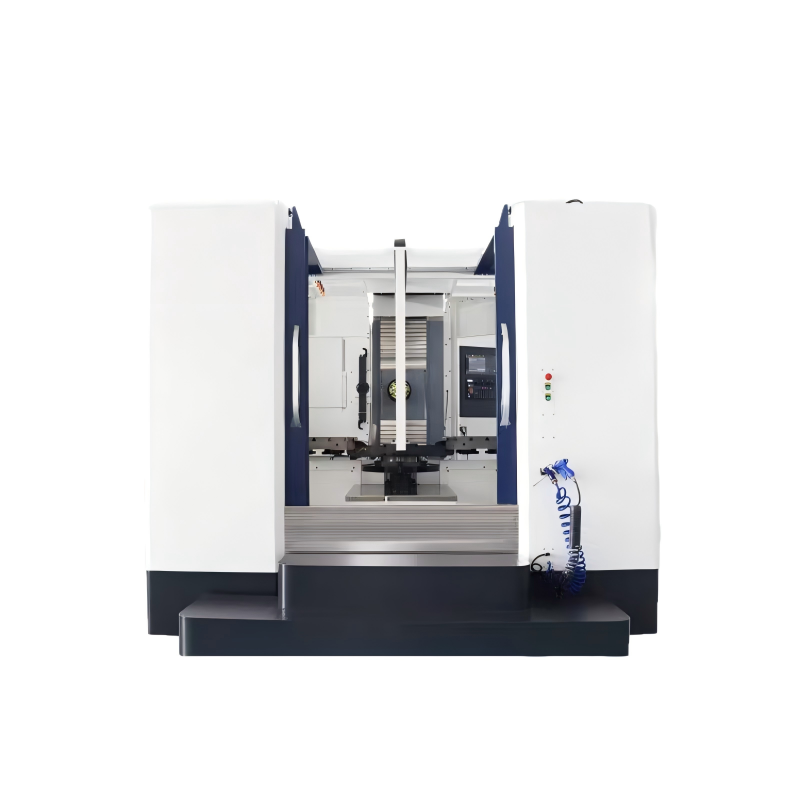
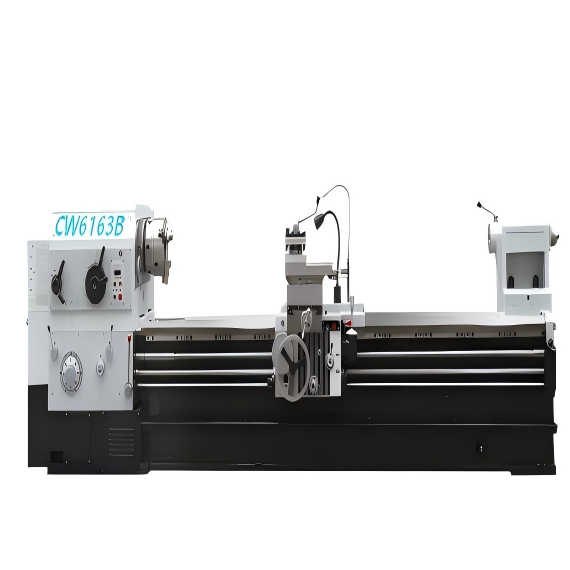
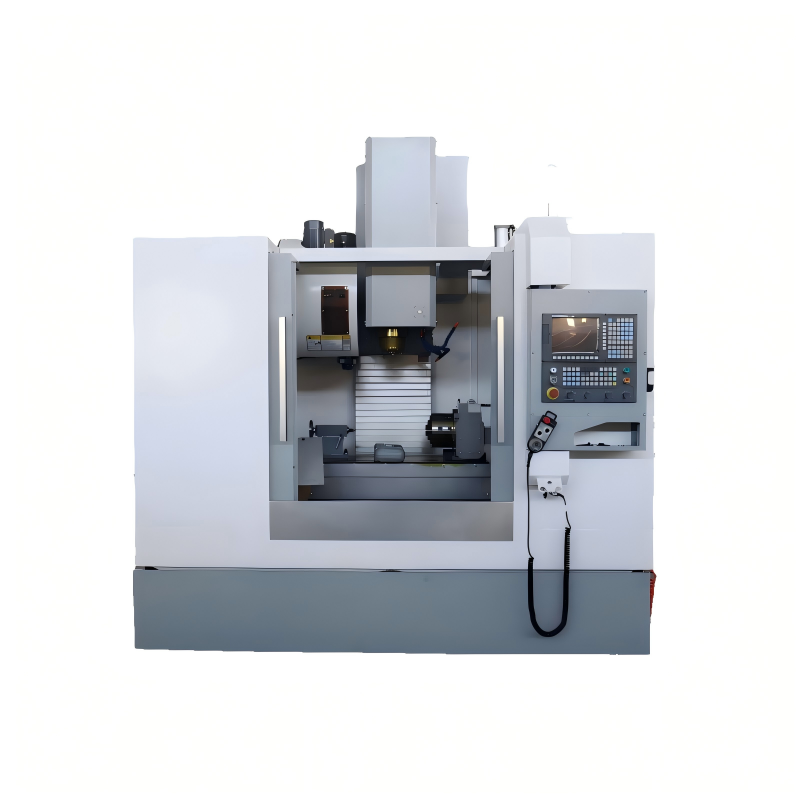
In the realm of precision engineering, the ability to efficiently and accurately machine deep holes in long shafts is a critical skill. This process, often carried out using Deep hole machining CNC lathe for long shafts, presents unique challenges that require specialized techniques and tools. This technical report aims to explore several key aspects of optimizing deep hole drilling on CNC Lathes for extended components, focusing on enhancing efficiency, accuracy, and tool life.
Deep hole drilling, particularly on extended components such as long shafts, is inherently more complex than standard drilling operations. The primary challenges include maintaining straightness, ensuring consistent chip evacuation, and managing heat generation. These factors can significantly impact the quality and cost-effectiveness of the machining process. For instance, inadequate chip evacuation can lead to tool breakage or poor surface finish, while excessive heat can cause thermal distortion of the workpiece. Therefore, it is essential to address these issues through careful planning and the use of advanced technologies.
The selection of appropriate cutting tools and parameters is crucial for successful deep hole drilling on CNC lathes. High-performance drills, such as gundrills or BTA (Boring and Trepanning Association) drills, are commonly used for deep hole machining. These tools are designed with specific geometries and materials to handle the high pressures and temperatures involved in the process. Additionally, the choice of cutting parameters, including feed rate, spindle speed, and coolant flow, must be carefully optimized to balance productivity and tool life. For example, a higher feed rate can increase material removal rates but may also lead to increased tool wear if not managed properly. Conversely, a lower feed rate can extend tool life but may reduce overall productivity. Therefore, finding the optimal balance is key to achieving efficient and reliable deep hole drilling.
Effective chip evacuation and coolant management are critical for maintaining the integrity of the drilling process. In deep hole drilling, chips can easily become trapped, leading to tool damage and poor hole quality. To mitigate this, specialized chip evacuation systems, such as internal flushing or external suction, can be employed. Internal flushing involves pumping coolant through the drill, which helps to flush out chips and keep the cutting zone cool. External suction systems, on the other hand, use vacuum technology to remove chips from the work area. Both methods are effective, but the choice depends on the specific application and the available equipment. Additionally, the type and flow rate of the coolant are important considerations. High-pressure, high-flow coolant systems are often preferred for deep hole drilling, as they provide better cooling and chip evacuation. However, the coolant must be carefully selected to ensure compatibility with the workpiece material and to prevent corrosion or other adverse effects.
To further enhance the reliability and precision of deep hole drilling, advanced monitoring and control systems can be integrated into the CNC lathe. These systems, such as in-process measurement and adaptive control, allow for real-time monitoring of the drilling process and automatic adjustments to maintain optimal conditions. In-process measurement systems, such as laser or acoustic sensors, can detect deviations in hole straightness or diameter and trigger corrective actions. Adaptive control systems, on the other hand, can adjust cutting parameters based on real-time data, such as tool wear or temperature, to maintain consistent performance. By leveraging these technologies, manufacturers can achieve higher levels of accuracy and consistency, even in challenging deep hole drilling applications.
Optimizing deep hole drilling on CNC lathes for extended components requires a comprehensive approach that addresses the unique challenges of the process. By understanding the key factors, selecting the right tools and cutting parameters, enhancing chip evacuation and coolant management, and implementing advanced monitoring and control systems, manufacturers can achieve superior results. The continuous improvement of these techniques and technologies will be essential for meeting the evolving demands of precision engineering and ensuring the success of deep hole machining operations.
 16/06/2026
In the realm of precision engineering, the production of long shafts with deep holes is a critical process that demands high accuracy and efficiency. The use of Deep hole machining CNC lathe for long shafts has become an indispensable tool in this field,
Read More15/06/2026In the realm of precision engineering, advancements in CNC (Computer Numerical Control) lathe technologies have significantly transformed the manufacturing landscape, particularly when it comes to the production of long shafts. This report delves into the
Read More15/06/2026Introduction to Deep Hole Machining for Long Shafts Deep hole machining is a critical process in the manufacturing of precision long shafts, especially those used in industries such as aerospace, automotive, and energy. This technique involves drilling ho
Read MoreOur professional sales team is always ready to assist you.