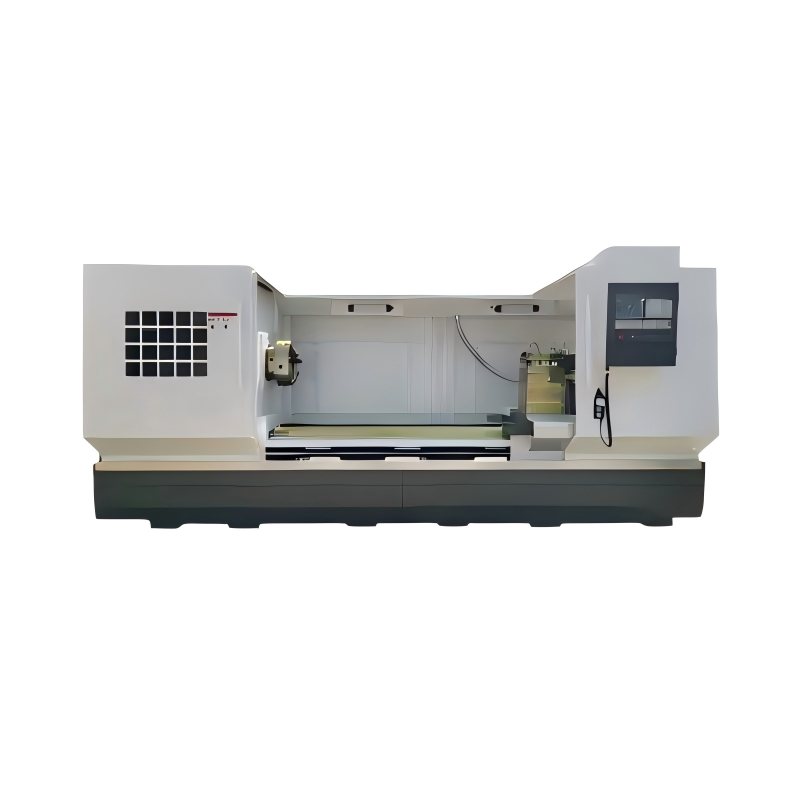
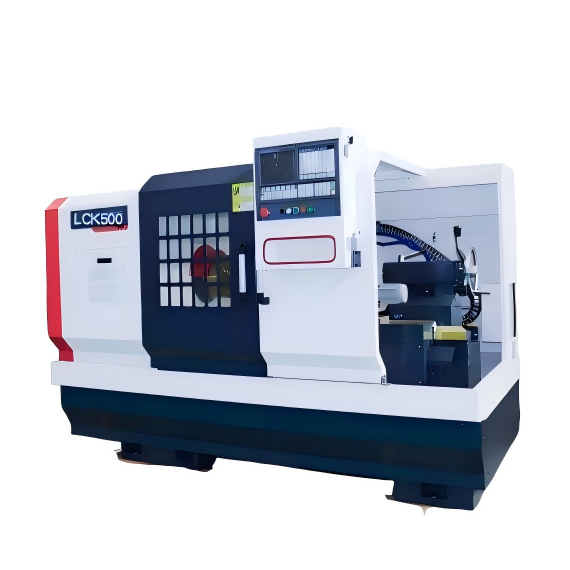
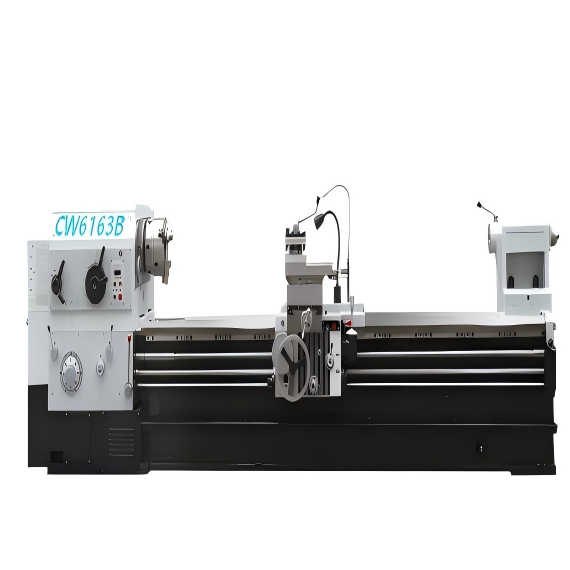
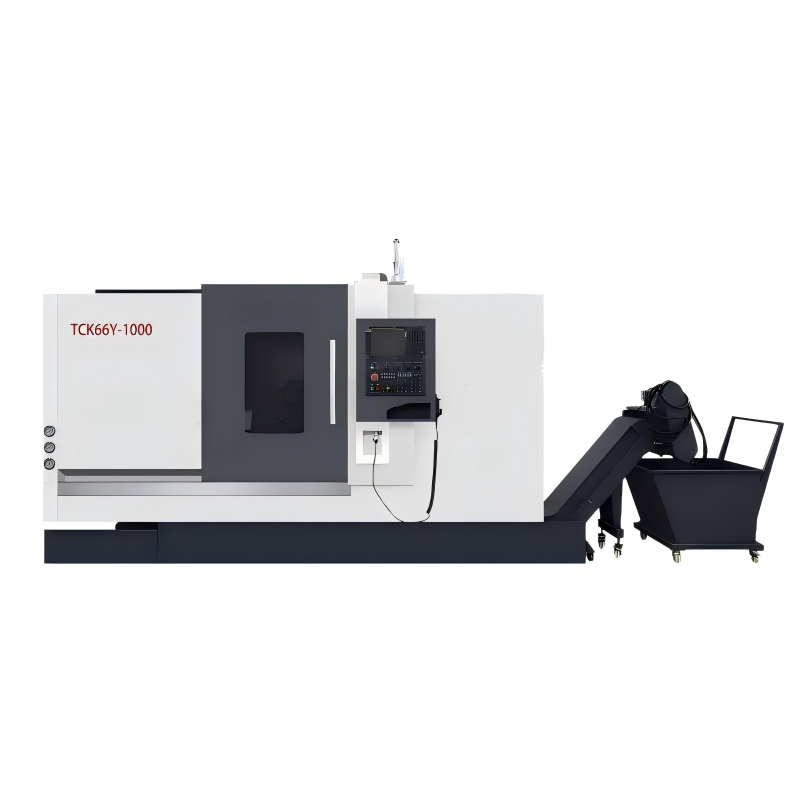
In the rapidly evolving world of manufacturing, high rigidity CNC lathes made in China have emerged as a significant player, offering precision, efficiency, and reliability. This report delves into the future of these machines, exploring their technological advancements, market trends, and the impact on global manufacturing.
China has long been known for its manufacturing prowess, but in recent years, the country has made significant strides in producing high-quality, high-precision machinery. High rigidity CNC Lathes made in China are a prime example of this. These machines are designed to handle complex and demanding tasks, providing manufacturers with the tools they need to produce high-precision parts with minimal error.
One of the key factors driving the rise of Chinese-made high rigidity CNC lathes is the continuous investment in research and development (R&D). Chinese manufacturers have been actively working to improve the design and functionality of their machines, incorporating advanced technologies such as artificial intelligence (AI) and the Internet of Things (IoT) to enhance performance and reduce downtime.
Moreover, the Chinese government's support for the manufacturing sector through various incentives and policies has also played a crucial role in the growth of the industry. This support has enabled Chinese manufacturers to compete on a global scale, offering products that are not only cost-effective but also meet the highest standards of quality and performance.
High rigidity CNC lathes made in China have undergone significant technological advancements, making them more versatile and efficient than ever before. One of the most notable improvements is the integration of advanced control systems, which allow for greater precision and flexibility in machining operations. These control systems often include features such as real-time monitoring, predictive maintenance, and adaptive control, which help to optimize the machining process and reduce errors.
Another key advancement is the use of high-strength materials in the construction of the lathes. These materials, such as cast iron and stainless steel, provide the necessary rigidity and stability to handle high-speed and high-precision machining. Additionally, the use of advanced coatings and surface treatments further enhances the durability and wear resistance of the machine components, ensuring longer service life and reduced maintenance costs.
Furthermore, the integration of AI and machine learning algorithms has enabled these lathes to become more intelligent and autonomous. These technologies can analyze data from the machining process, identify patterns, and make adjustments in real-time to optimize performance. This not only improves the accuracy and consistency of the machined parts but also reduces the need for human intervention, leading to increased productivity and efficiency.
The global market for high rigidity CNC lathes made in China is expected to grow significantly in the coming years, driven by increasing demand from various industries, including automotive, aerospace, and medical. The growing trend towards automation and Industry 4.0 is also a key factor, as manufacturers seek to adopt more advanced and efficient production methods.
One of the main advantages of Chinese-made high rigidity CNC lathes is their cost-effectiveness. Compared to their European and American counterparts, these machines offer similar or even superior performance at a lower price point. This makes them an attractive option for manufacturers looking to upgrade their equipment without breaking the bank.
However, the impact of Chinese-made high rigidity CNC lathes extends beyond just the cost savings. These machines are also contributing to the reshoring of manufacturing in many countries, as companies are able to bring production back home while still maintaining competitive costs. This trend is particularly evident in the United States, where there has been a renewed focus on domestic manufacturing and supply chain resilience.
Additionally, the export of high rigidity CNC lathes made in China is helping to boost the country's economy and strengthen its position as a global manufacturing leader. As more and more manufacturers around the world recognize the value and quality of Chinese-made machinery, the demand for these products is likely to continue to grow.
Despite the many advantages of high rigidity CNC lathes made in China, there are also several challenges that the industry must address. One of the primary challenges is the perception of Chinese-made products as being of lower quality compared to those from Western manufacturers. While this perception is gradually changing, it remains a barrier to wider adoption, particularly in markets where brand reputation and trust are critical factors.
Another challenge is the need for continuous innovation and improvement. As the global manufacturing landscape becomes increasingly competitive, Chinese manufacturers must stay ahead of the curve by investing in R&D and developing new technologies that can further enhance the performance and capabilities of their machines.
On the other hand, there are also significant opportunities for growth and expansion. The growing demand for high-precision machining in emerging markets, such as India and Southeast Asia, presents a vast potential for Chinese-made high rigidity CNC lathes. Additionally, the increasing focus on sustainability and energy efficiency in manufacturing is creating new opportunities for innovation, such as the development of more eco-friendly and energy-efficient lathes.
Finally, the ongoing digital transformation of the manufacturing sector, driven by the adoption of Industry 4.0 technologies, is opening up new avenues for Chinese manufacturers to differentiate themselves and gain a competitive edge. By leveraging AI, IoT, and other advanced technologies, Chinese-made high rigidity CNC lathes can offer unique features and capabilities that set them apart from their competitors.
The future of high rigidity CNC lathes made in China looks promising, with continued advancements in technology, growing market demand, and increasing global recognition. As the industry continues to evolve, it will be essential for Chinese manufacturers to address the challenges and seize the opportunities that lie ahead. By doing so, they can ensure that their products remain at the forefront of the global manufacturing landscape, driving innovation and excellence in the years to come.
 22/06/2026
Introduction to High-Precision MachiningIn the ever-evolving world of manufacturing, high-precision machining has become a cornerstone for achieving superior product quality and efficiency. The integration of advanced technology into traditional machining
Read More22/06/2026The Evolution of CNC Technology in China: A Focus on High Rigidity LathesOver the past few decades, China has emerged as a global leader in the manufacturing sector, particularly in the production of advanced machinery. One significant development is the
Read More19/06/2026High rigidity CNC lathes, especially those made in China, have significantly transformed the landscape of modern industrial processes. These machines are designed to handle heavy-duty operations with precision and efficiency, making them indispensable in
Read More19/06/2026China's manufacturing industry has undergone a significant transformation over the past few decades, evolving from a low-cost producer to a global leader in high-precision machinery. One of the key areas where this transformation is evident is in the prod
Read More18/06/2026In the realm of precision manufacturing, the adoption of advanced machinery plays a pivotal role in enhancing productivity and maintaining high-quality standards. Among these, High rigidity CNC lathe made in China stands out as an exemplary solution, offe
Read More18/06/2026The manufacturing industry has seen significant advancements over the past few decades, with China emerging as a global leader in the production of high-precision machinery. One of the key areas where Chinese manufacturers have excelled is in the developm
Read More17/06/2026In the world of precision manufacturing, selecting the right high rigidity CNC lathe is crucial for achieving optimal performance and efficiency. As China has emerged as a leading producer of high-quality machining equipment, understanding the key factors
Read More17/06/2026Understanding the Core of High Rigidity CNC LathesIn the realm of precision manufacturing, high rigidity CNC lathes stand out as a cornerstone technology. These machines, characterized by their exceptional stability and accuracy, are designed to handle a
Read More16/06/2026In the rapidly evolving landscape of manufacturing, high rigidity CNC lathes made in China have emerged as a pivotal force, reshaping the future of machining. This report delves into the advancements, benefits, and implications of these cutting-edge machi
Read More16/06/2026The manufacturing industry is undergoing a transformative phase, driven by technological advancements and the pursuit of higher efficiency. Among these changes, high rigidity CNC lathes made in China are playing a pivotal role. These machines are not only
Read More15/06/2026China has emerged as a leading player in the global manufacturing sector, particularly when it comes to high-precision machinery. One of the standout products in this category is the high rigidity CNC lathe made in China. These machines are designed to me
Read More15/06/2026The advancement of manufacturing technology has led to the development of more sophisticated and efficient machinery. One such innovation is the high rigidity CNC lathe, a piece of equipment that stands out for its precision, durability, and versatility.
Read MoreOur professional sales team is always ready to assist you.