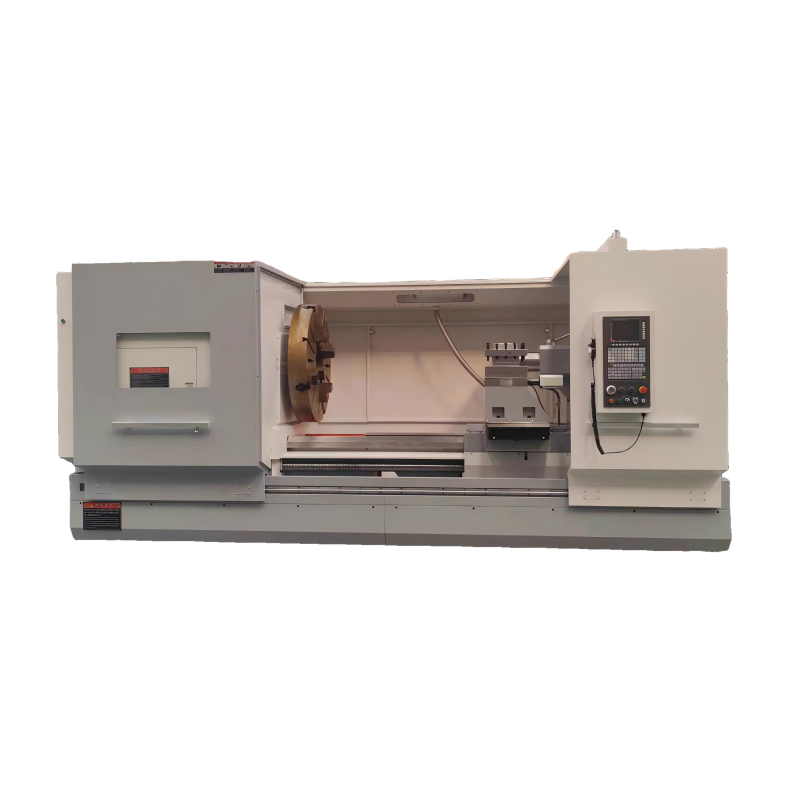
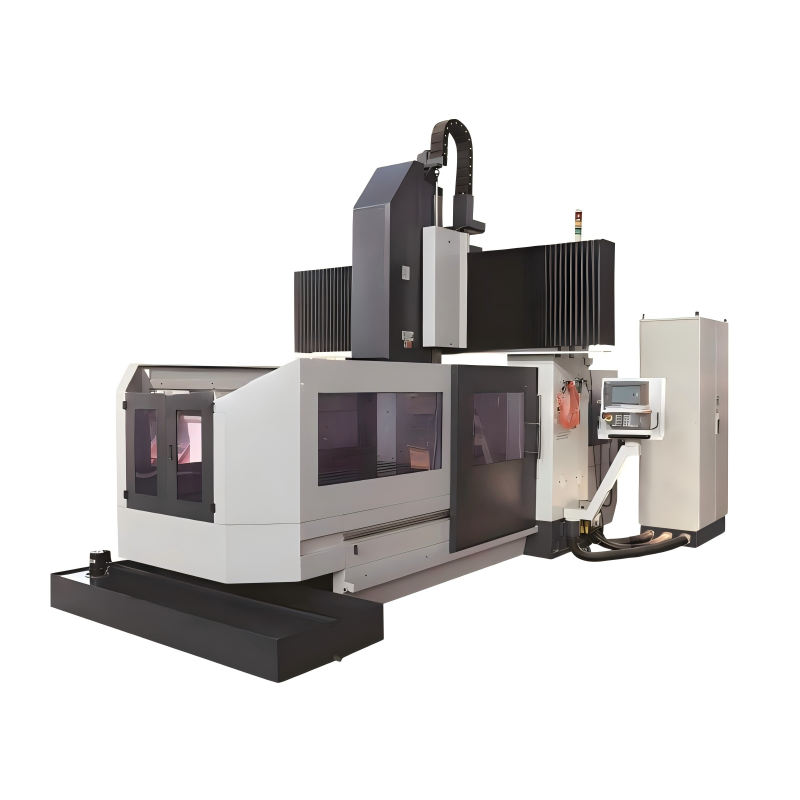
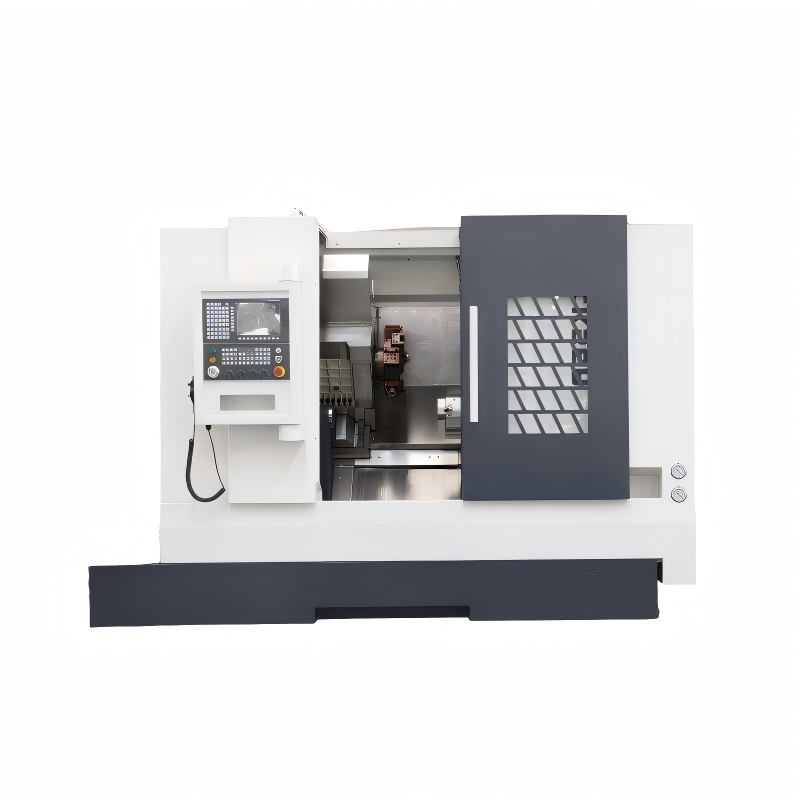
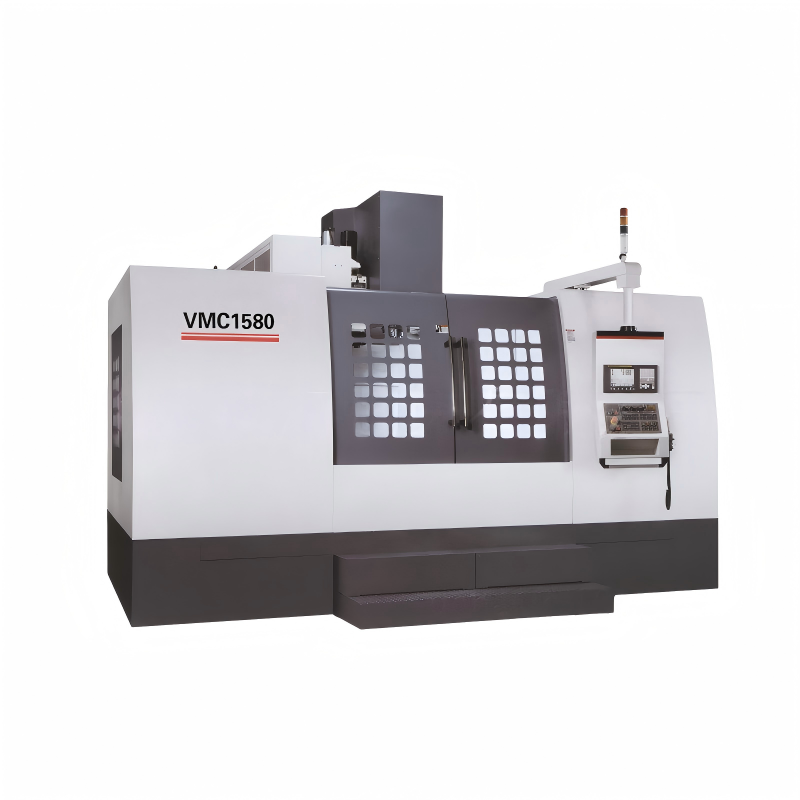
In the ever-evolving landscape of manufacturing, the integration of advanced technology has become a cornerstone for achieving precision, efficiency, and productivity. The future of machining is increasingly being shaped by heavy-duty CNC work centers, which are designed to handle complex and demanding tasks with unparalleled accuracy. This report delves into the transformative impact of these machines, particularly focusing on the Vertical Machining Center Lathe Machine, and how they are redefining the future of machining.
CNC (Computer Numerical Control) technology has revolutionized the manufacturing industry by enabling precise and automated control over machine tools. The evolution of CNC technology has led to the development of heavy-duty CNC work centers, which are capable of handling large and complex parts with high precision. These work centers are equipped with advanced features such as multi-axis capabilities, high-speed spindles, and sophisticated software, making them ideal for a wide range of applications in industries such as aerospace, automotive, and heavy machinery.
One of the key advancements in this field is the integration of multiple machining operations into a single machine. For example, a Vertical Machining Center Lathe Machine combines the functions of a Vertical Machining Center and a lathe, allowing for both milling and turning operations to be performed on a single platform. This not only reduces the need for multiple setups but also enhances overall productivity and accuracy.
The Vertical Machining Center Lathe Machine offers several advantages that make it a preferred choice for many manufacturers. One of the primary benefits is its ability to perform both milling and turning operations, which significantly reduces the time and effort required for part production. This dual functionality eliminates the need for transferring parts between different machines, thereby minimizing the risk of errors and improving overall quality.
Another advantage is the machine's versatility. It can handle a wide range of materials, from soft metals like aluminum to hard metals like titanium and steel. The machine's robust construction and powerful spindle ensure that it can withstand the demands of heavy-duty machining, making it suitable for producing large and complex parts. Additionally, the use of advanced software and automation features allows for seamless integration with CAD/CAM systems, enabling the creation of intricate and precise parts with ease.
While the benefits of heavy-duty CNC work centers are clear, there are also several challenges that manufacturers must address to fully leverage their potential. One of the main challenges is the high initial investment cost. These machines are expensive, and the return on investment (ROI) may take some time to materialize. However, the long-term benefits in terms of increased productivity, reduced labor costs, and improved quality often outweigh the initial investment.
Another challenge is the need for skilled operators and maintenance personnel. Operating and maintaining these advanced machines requires a high level of expertise, and finding qualified personnel can be a significant hurdle. To address this, manufacturers can invest in training programs and partnerships with educational institutions to develop a skilled workforce. Additionally, the use of user-friendly interfaces and automated features can help reduce the learning curve and make the machines more accessible to a broader range of operators.
Finally, the integration of these machines into existing production processes can be complex. Manufacturers need to carefully plan and execute the implementation to ensure smooth operation and minimal disruption. This may involve reconfiguring the production layout, updating software, and establishing new workflows. By working closely with experienced integrators and leveraging best practices, manufacturers can successfully integrate heavy-duty CNC work centers into their operations.
The future of heavy-duty CNC work centers is likely to be driven by several key trends. One of the most significant trends is the increasing adoption of Industry 4.0 technologies. These include the Internet of Things (IoT), artificial intelligence (AI), and machine learning, which can enhance the performance and efficiency of CNC work centers. For example, IoT sensors can monitor machine performance in real-time, providing valuable data for predictive maintenance and optimizing production schedules.
Another trend is the continued development of multi-functional and hybrid machines. As seen with the Vertical Machining Center Lathe Machine, the ability to perform multiple operations on a single platform is becoming increasingly important. Future machines are likely to offer even more advanced capabilities, such as additive manufacturing (3D printing) and laser cutting, further expanding their versatility and application range.
Additionally, sustainability and energy efficiency are becoming critical considerations in the design and operation of CNC work centers. Manufacturers are increasingly looking for ways to reduce energy consumption, minimize waste, and improve the environmental footprint of their operations. This may involve the use of energy-efficient motors, regenerative braking systems, and other green technologies.
The future of machining lies in the continued advancement and adoption of heavy-duty CNC work centers. These machines, including the Vertical Machining Center Lathe Machine, offer unparalleled precision, efficiency, and versatility, making them indispensable in modern manufacturing. While there are challenges to overcome, the benefits of these machines in terms of productivity, quality, and innovation are clear. By embracing these technologies and addressing the associated challenges, manufacturers can position themselves at the forefront of the industry and drive the future of machining forward.
 23/06/2026
Introduction to CW6163B Universal LatheThe CW6163B universal lathe is a versatile machine that has been making waves in the modern manufacturing industry. This machine, with its robust design and advanced features, offers unparalleled precision and effici
Read More04/06/2026In the world of manufacturing, a high-performance lathe machine, particularly when integrated into a vertical machining center (VMC), can significantly enhance productivity. This article will explore how to maximize productivity with such a setup, focusin
Read More03/06/2026IntroductionThe evolution of manufacturing technologies has significantly transformed the production landscape, with Vertical Machining Center Lathe Machine playing a crucial role in this transformation. These advanced machines have become indispensable t
Read More02/06/2026In the realm of manufacturing, the ability to customize machinery for specific tasks is a critical factor in achieving optimal performance and efficiency. This report delves into the customization process of a Vertical Machining Center Lathe Machine, focu
Read More01/06/2026The field of manufacturing technology has witnessed significant advancements, particularly in the domain of vertical machining center lathe machines. These innovations not only enhance productivity and precision but also contribute to more sustainable and
Read More31/05/2026In the world of manufacturing, precision and efficiency are paramount. Among the tools that have revolutionized this field, the Vertical Machining Center Lathe Machine stands out as a versatile and indispensable piece of equipment. This article aims to gu
Read More30/05/2026Introduction to Vertical Machining Center Lathe Machine The vertical machining center lathe machine, often abbreviated as VMC, represents a significant advancement in the field of precision manufacturing. Unlike traditional lathes, which are primarily use
Read More29/05/2026In the domain of manufacturing, the Vertical Machining Center Lathe Machine stands out as a critical piece of equipment for producing precision parts. Its efficiency and accuracy make it indispensable in numerous industries, from automotive to aerospace.
Read More28/05/2026IntroductionThe vertical machining center (VMC) is a pivotal tool in the realm of precision manufacturing, offering unparalleled accuracy and versatility. This report delves into advanced techniques that can be employed to maximize the potential of a Vert
Read More27/05/2026IntroductionWhen it comes to outfitting a workshop, selecting the right lathe machine is a critical decision. A lathe is an essential tool for turning, facing, drilling, and threading operations. This guide aims to provide a comprehensive overview of how
Read More26/05/2026Understanding the Core Capabilities of a Vertical Machining Center A vertical machining center (VMC) is an essential tool in modern manufacturing, offering unparalleled precision and versatility. By leveraging the full potential of your VMC, you can signi
Read MoreOur professional sales team is always ready to assist you.