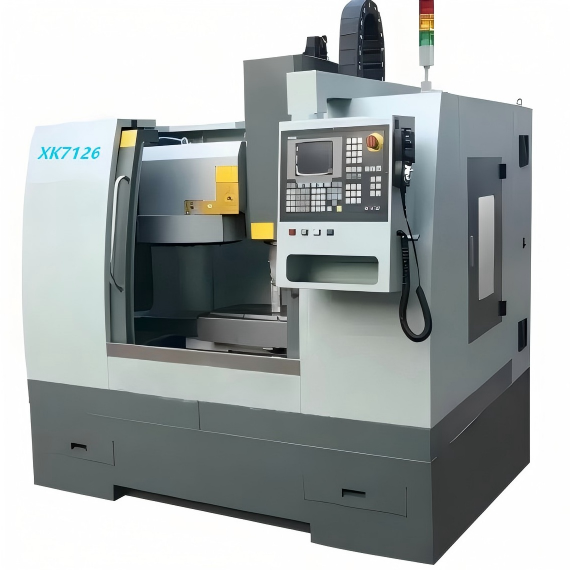
In the ever-evolving landscape of precision engineering, high-speed vertical Machining Centers (VMCs) have emerged as a pivotal technology. These advanced machines are not only redefining the boundaries of manufacturing efficiency but also setting new standards for accuracy and productivity. This report delves into the future of precision engineering, focusing on the role of high-speed VMCs in shaping the industry.
Advancements in Cutting Speed and Accuracy
One of the most significant advancements in high-speed Vertical Machining Centers is the substantial increase in cutting speed and accuracy. Modern VMCs are equipped with high-performance spindles that can reach speeds of up to 30,000 RPM or more, enabling faster material removal rates. This is complemented by advanced control systems that ensure precise tool positioning and motion, reducing errors and improving the overall quality of the finished product.
The integration of real-time monitoring and feedback systems further enhances the accuracy of these machines. Sensors and data analytics allow for continuous adjustment of the machining process, ensuring that any deviations are corrected immediately. This level of precision is critical in industries such as aerospace, automotive, and medical device manufacturing, where even the slightest error can lead to catastrophic consequences.
Automation and Integration in Manufacturing Processes
High-speed vertical machining centers are increasingly being integrated into automated manufacturing systems. The use of robotics and automated material handling systems allows for seamless transitions between different stages of the production process. This not only reduces human intervention but also minimizes the risk of errors and downtime.
Moreover, the integration of high-speed VMCs with computer-aided design (CAD) and computer-aided manufacturing (CAM) software enables a more streamlined workflow. Design changes can be quickly implemented, and the entire production process can be optimized for maximum efficiency. This integration also supports the concept of Industry 4.0, where smart factories leverage data and connectivity to enhance productivity and flexibility.
Sustainability and Energy Efficiency
Sustainability is a growing concern in the manufacturing industry, and high-speed vertical machining centers are playing a crucial role in addressing this issue. Modern VMCs are designed with energy-efficient components and features, such as regenerative braking systems and optimized power consumption. These innovations help reduce the overall carbon footprint of the manufacturing process.
Additionally, the use of lightweight materials and advanced cooling systems in high-speed VMCs contributes to lower energy usage. By minimizing waste and optimizing resource utilization, these machines support sustainable manufacturing practices. This is particularly important as companies strive to meet environmental regulations and consumer expectations for eco-friendly products.
Enhanced Tool Life and Maintenance
Another key benefit of high-speed vertical machining centers is the extended tool life and reduced maintenance requirements. Advanced tool management systems, coupled with improved cutting conditions, result in less wear and tear on tools. This not only reduces the frequency of tool changes but also lowers the overall cost of operation.
Furthermore, predictive maintenance technologies are being integrated into high-speed VMCs. These systems use data analytics to monitor the condition of the machine and its components, allowing for proactive maintenance. This approach helps prevent unexpected breakdowns and ensures that the machine operates at peak performance, thereby maximizing uptime and productivity.
Conclusion
The future of precision engineering is undoubtedly bright, with high-speed vertical machining centers at the forefront of innovation. These machines are driving advancements in cutting speed and accuracy, automation and integration, sustainability, and tool life and maintenance. As the technology continues to evolve, we can expect even greater improvements in efficiency, quality, and sustainability, ultimately transforming the manufacturing landscape.

 25/06/2026



