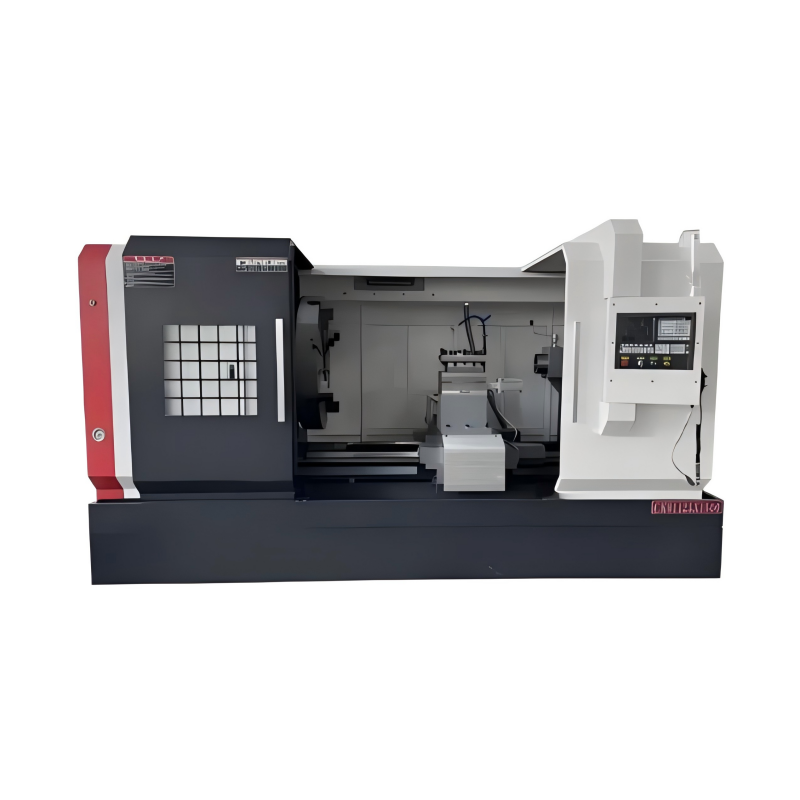
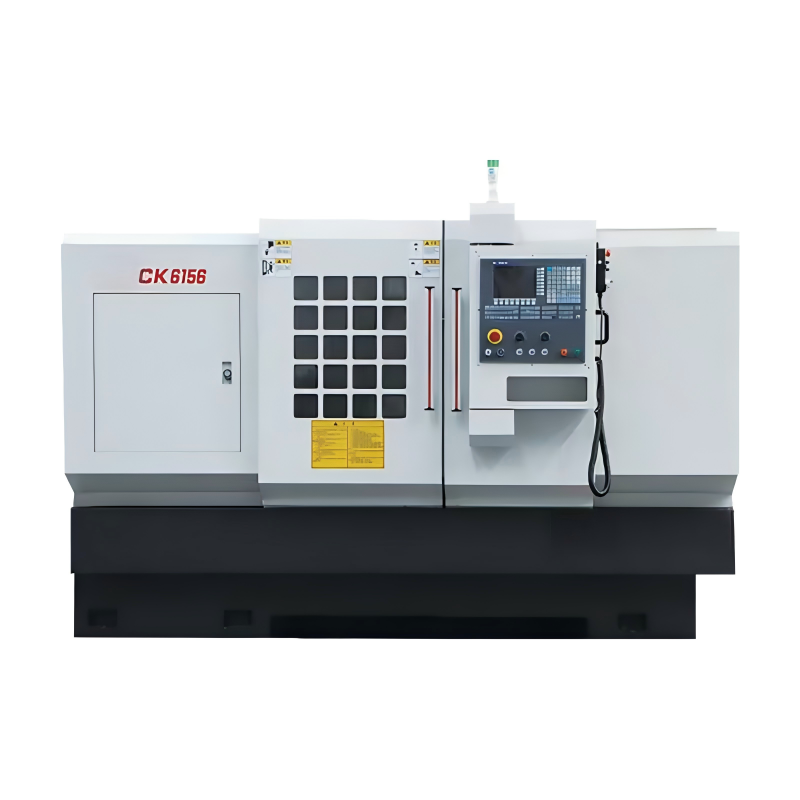
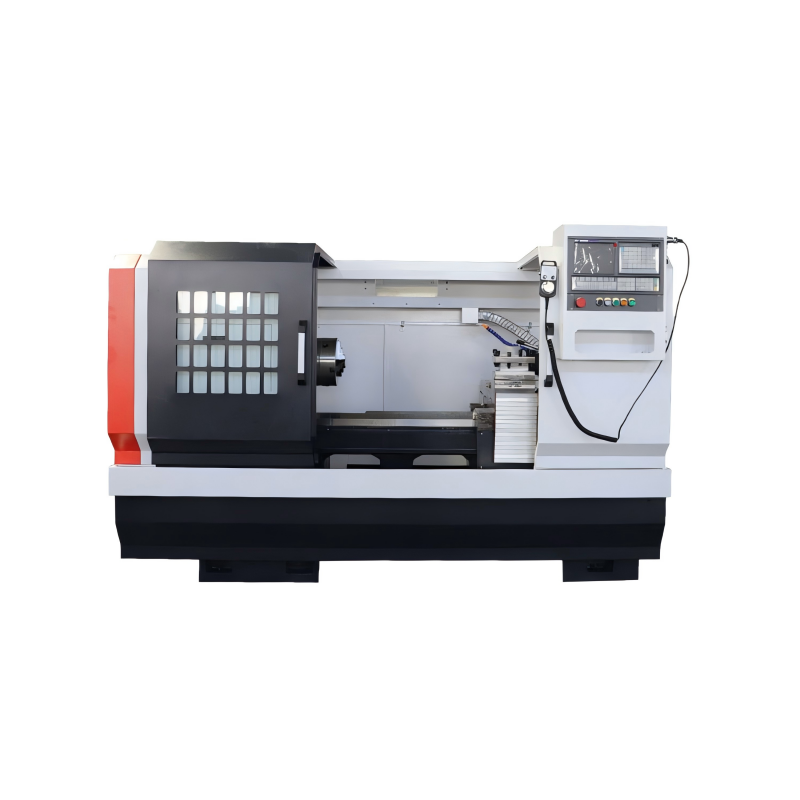
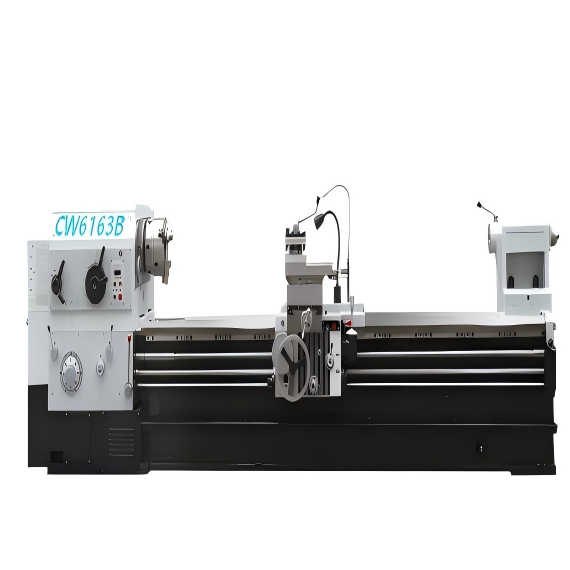
The global manufacturing sector has seen a significant transformation with the advent of advanced technologies, and China, being one of the world's largest producers of machinery, plays a crucial role in this evolution. Among the various types of equipment, horizontal CNC lathes are essential for precision machining. This report delves into the factors influencing the horizontal CNC Lathe price from China, focusing on market trends that have a direct impact on pricing dynamics.
One of the most significant drivers of the Horizontal CNC lathe price from China is the pace of technological innovation. Over the past decade, manufacturers in China have invested heavily in research and development to enhance the capabilities of their CNC lathes. These advancements include improved automation, better software integration, and higher precision. As a result, newer models often come with a higher price tag due to the additional features and superior performance. However, the increased efficiency and productivity these machines offer can justify the higher cost for many buyers.
Moreover, the adoption of Industry 4.0 principles, such as the Internet of Things (IoT) and artificial intelligence (AI), has further elevated the value proposition of these lathes. Smart CNC lathes can now perform predictive maintenance, optimize tool paths, and integrate seamlessly with other production systems. While these features add to the initial cost, they also lead to long-term savings and increased operational efficiency.
Economic conditions play a critical role in determining the horizontal CNC lathe price from China. Fluctuations in raw material costs, labor expenses, and exchange rates can all influence the final price. For instance, if the cost of steel or other key components increases, manufacturers may pass on these costs to the end consumers, leading to higher prices. Conversely, when the Chinese yuan weakens against major currencies, it can make Chinese products more competitive in the international market, potentially lowering prices for foreign buyers.
Market competition is another key factor. China is home to numerous CNC lathe manufacturers, ranging from small-scale enterprises to large, well-established companies. The intense competition among these players often results in price wars, where companies strive to offer the best value for money. This competition not only keeps prices in check but also drives continuous improvement in product quality and service. Buyers can benefit from this by comparing different options and negotiating better deals.
Government policies and trade agreements have a substantial impact on the horizontal CNC lathe price from China. The Chinese government has implemented various initiatives to support the manufacturing sector, including tax incentives, subsidies, and grants for research and development. These policies help reduce the overall production costs for manufacturers, which can be reflected in lower prices for consumers. Additionally, the government's focus on export promotion and the establishment of free trade zones has facilitated easier access to international markets, further enhancing the competitiveness of Chinese CNC lathes.
Trade agreements, both bilateral and multilateral, also play a crucial role. Tariffs and trade barriers can significantly affect the cost of importing and exporting machinery. For example, the recent trade tensions between China and the United States have led to increased tariffs on certain goods, including CNC lathes. These tariffs can increase the final price for buyers in affected regions. On the other hand, favorable trade agreements, such as those with countries in the Asia-Pacific region, can reduce import duties and make Chinese CNC lathes more affordable in those markets.
The law of supply and demand is a fundamental economic principle that influences the horizontal CNC lathe price from China. When demand for CNC lathes is high, and the supply is limited, prices tend to rise. Conversely, if there is an oversupply, prices may drop. In recent years, the global demand for precision machining has been on the rise, driven by the growth of industries such as automotive, aerospace, and medical devices. This increased demand has put upward pressure on prices, especially for high-end, specialized models.
However, the supply side is also evolving. Chinese manufacturers have been expanding their production capacities and improving their supply chain management to meet the growing demand. This has helped to stabilize prices to some extent. Additionally, the emergence of new players in the market has increased the overall supply, providing buyers with more options and potentially driving down prices through increased competition.
Environmental and sustainability considerations are increasingly becoming important factors in the manufacturing industry. Many buyers are now looking for CNC lathes that are energy-efficient and have a lower environmental footprint. In response, Chinese manufacturers are developing greener technologies and incorporating sustainable practices into their production processes. For example, some lathes now feature energy-saving modes and use eco-friendly materials. While these innovations may initially increase the horizontal CNC lathe price from China, they can provide long-term benefits in terms of reduced operating costs and a positive corporate image.
Furthermore, regulatory requirements and customer preferences for sustainable products are pushing manufacturers to adopt more environmentally friendly practices. This shift towards sustainability is likely to continue, and it will be a key factor in shaping the future of CNC lathe prices. Companies that invest in green technologies and sustainable manufacturing processes are likely to gain a competitive edge, even if it means slightly higher initial costs.
In conclusion, the horizontal CNC lathe price from China is influenced by a complex interplay of technological advancements, economic factors, government policies, demand and supply dynamics, and environmental considerations. Understanding these factors can help buyers make informed decisions and negotiate better deals. As the market continues to evolve, it is essential for both manufacturers and buyers to stay abreast of the latest trends and adapt to the changing landscape.
 17/06/2026
Understanding the Market for Horizontal CNC Lathes in ChinaWhen considering the purchase of a Horizontal CNC lathe price from China, it's essential to have a comprehensive understanding of the current market. The Chinese manufacturing industry, known for
Read More17/06/2026Horizontal CNC lathes have become an indispensable part of modern manufacturing, offering precision, efficiency, and versatility. As China continues to emerge as a leading global manufacturer, the availability and affordability of horizontal CNC lathes fr
Read More17/06/2026Understanding the intricacies of the pricing structure for horizontal CNC lathes in Chinese markets is crucial for both domestic and international buyers. This report aims to provide a comprehensive analysis, breaking down the factors that influence the f
Read More17/06/2026Introduction to Horizontal CNC Lathes from ChinaThe global manufacturing industry has been witnessing a significant shift towards automation and precision engineering, with Horizontal CNC lathe price from China becoming a topic of increasing interest. Thi
Read MoreOur professional sales team is always ready to assist you.