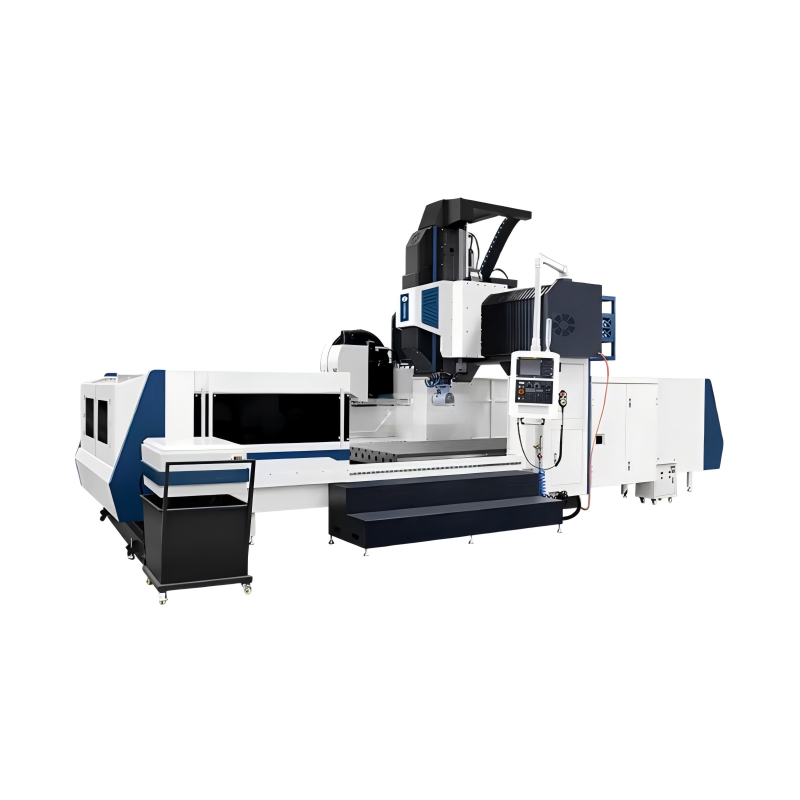
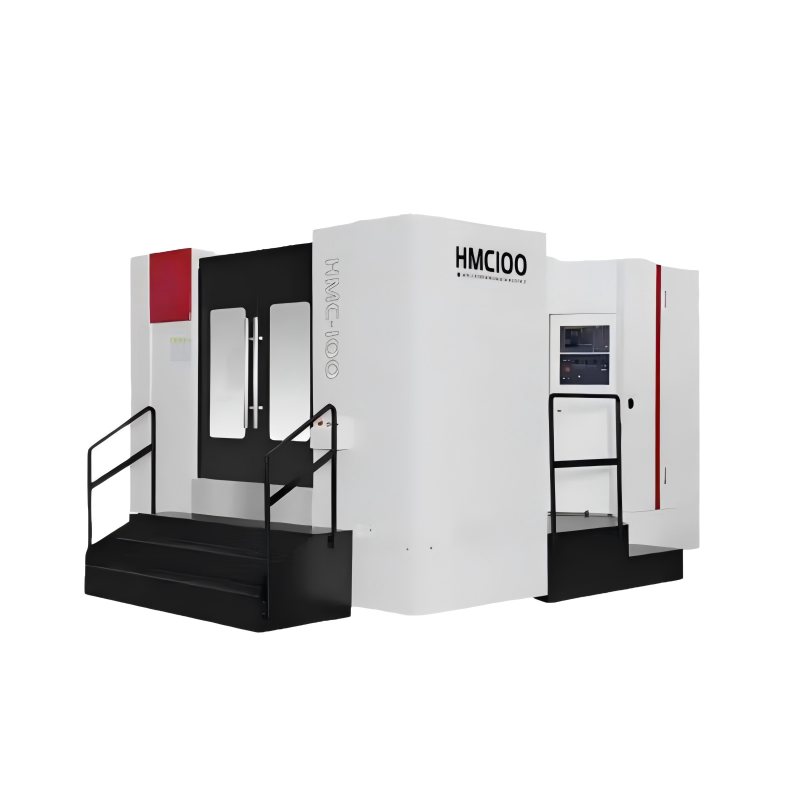
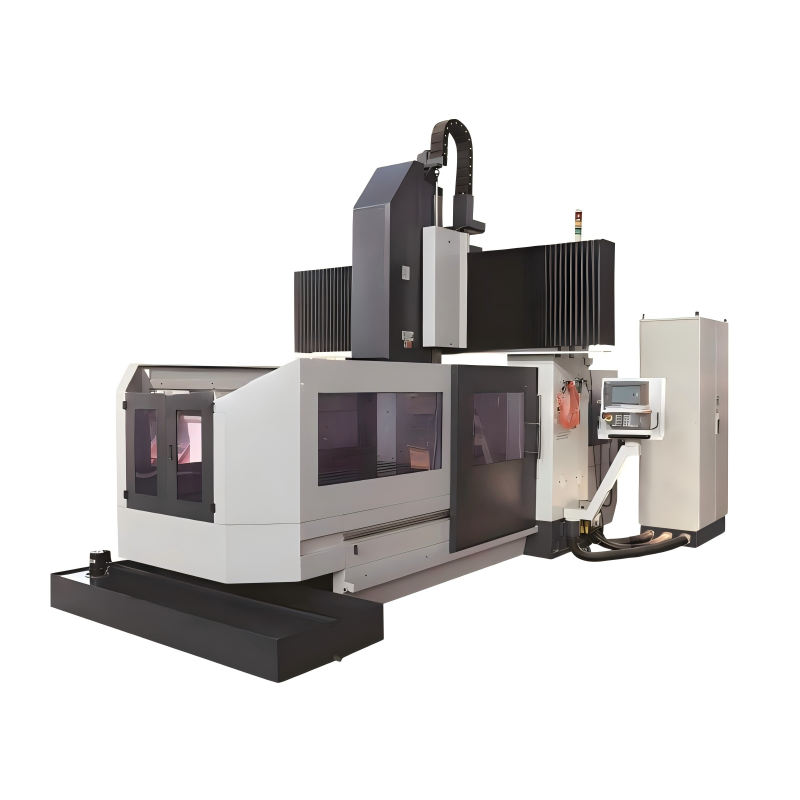
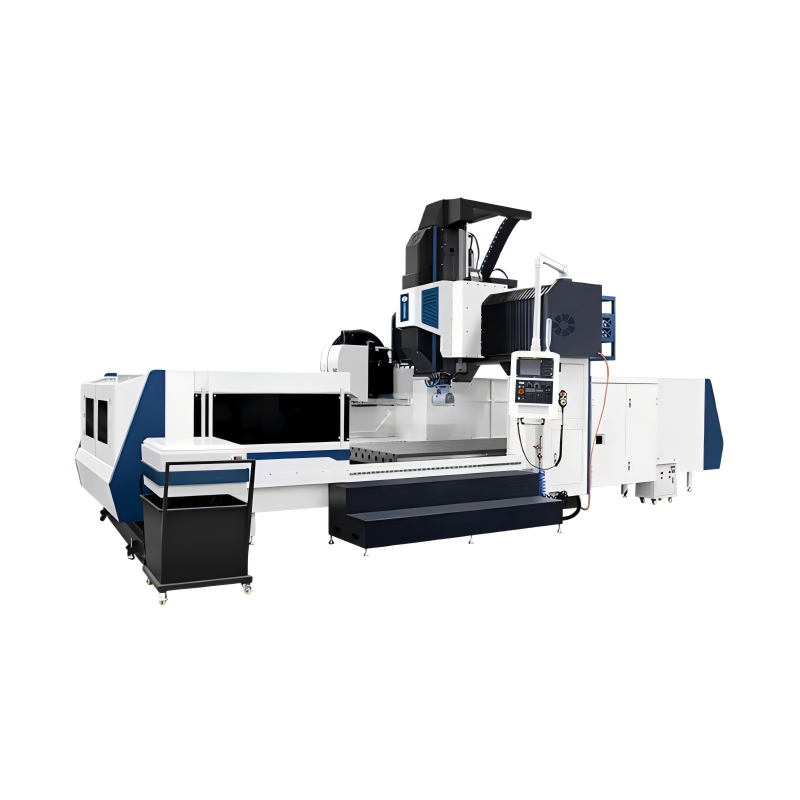
In the realm of advanced manufacturing, multi-axis machining has become a cornerstone for achieving high precision and complex geometries in components. Among the various types of Machining Centers available, the 4 Axis Vertical Machining Center (VMC) plays a pivotal role. This report delves into the capabilities and applications of a 4 Axis VMC, while also touching upon the complementary nature of the Floor type Horizontal Machining Center within the broader context of multi-axis machining. The discussion will be structured around key aspects that highlight the versatility, efficiency, and precision of these machines.
The introduction of an additional axis in a 4 Axis VMC significantly enhances its capability to handle complex workpieces. Unlike a 3-axis machine, which is limited to movement along the X, Y, and Z axes, a 4-axis machine adds rotational movement around the X-axis, often referred to as the A-axis. This rotational movement allows for the machining of parts with intricate features, such as helical patterns or complex contours, without the need for repositioning the workpiece. The ability to perform these operations in a single setup not only improves accuracy but also reduces the overall production time.
For instance, in the aerospace industry, where components often require tight tolerances and complex geometries, a 4 Axis VMC can machine parts like turbine blades or engine casings with high precision. The A-axis rotation enables the tool to reach all necessary angles, ensuring that even the most challenging features are machined to exact specifications.
One of the primary advantages of using a 4 Axis VMC in multi-axis machining is the significant increase in efficiency. By eliminating the need for multiple setups and repositioning, the machine can complete a job in a single operation. This not only saves time but also reduces the risk of errors that can occur during manual repositioning. Additionally, the continuous machining process allows for smoother transitions between different features, resulting in a higher quality finish.
Furthermore, the use of a 4 Axis VMC can lead to cost savings by reducing the number of required fixtures and tool changes. In a traditional 3-axis setup, multiple fixtures and tool changes may be necessary to achieve the desired geometry. With a 4-axis machine, these steps can be minimized, leading to a more streamlined and efficient production process. This is particularly beneficial in industries such as automotive and medical, where high-volume production and strict quality standards are paramount.
While the 4 Axis VMC excels in many applications, there are scenarios where a Floor type horizontal machining center (FHMC) is more suitable. FHMCs are designed for heavy-duty machining and are capable of handling larger and heavier workpieces. They typically feature a horizontal spindle orientation, which provides better chip evacuation and improved rigidity, making them ideal for operations that require high cutting forces and stability.
In the context of multi-axis machining, the FHMC can complement the 4 Axis VMC by handling tasks that are more suited to its design. For example, in the production of large structural components, such as those used in the construction or energy sectors, the FHMC's robust structure and powerful spindle can efficiently machine these parts with high accuracy. The combination of both vertical and horizontal machining centers in a manufacturing facility can provide a comprehensive solution for a wide range of machining needs.
To fully leverage the capabilities of a 4 Axis VMC, integration with advanced software and automation systems is essential. Modern CAM (Computer-Aided Manufacturing) software can generate highly optimized toolpaths that take full advantage of the machine's additional axis. This software can simulate the entire machining process, allowing engineers to identify and correct potential issues before the actual machining begins. This not only ensures that the final part meets the required specifications but also minimizes the risk of tool breakage and other operational issues.
Automation systems, such as robotic loading and unloading, can further enhance the efficiency of a 4 Axis VMC. These systems can reduce downtime between operations and allow for continuous, unattended machining, which is particularly valuable in high-volume production environments. Additionally, real-time monitoring and data collection can provide valuable insights into the machining process, enabling continuous improvement and optimization.
The 4 Axis VMC is a versatile and powerful tool in the world of multi-axis machining, offering enhanced precision, increased efficiency, and the ability to handle complex geometries. While it excels in many applications, the Floor type horizontal machining center can play a complementary role in scenarios that require heavy-duty machining. The integration of advanced software and automation systems further amplifies the capabilities of these machines, making them indispensable in modern manufacturing. As the demand for high-precision and complex components continues to grow, the 4 Axis VMC and its counterparts will remain at the forefront of innovative manufacturing solutions.
 29/06/2026
When it comes to selecting a machining center for high-precision and efficient manufacturing, the choice between a 3-axis vertical machining center and other types, such as the floor type horizontal machining center, can be crucial. This article focuses o
Read More29/06/2026When it comes to the production of complex parts, the choice of machining center plays a crucial role in determining the efficiency, accuracy, and overall quality of the final product. While Floor type horizontal machining centers are well-suited for spec
Read More29/06/2026Understanding the intricacies of a CNC milling machine gantry, especially when it comes to a floor type horizontal machining center, is crucial for maximizing efficiency and precision in manufacturing processes. This report delves into the capabilities an
Read More27/06/2026In the realm of manufacturing, selecting the right machinery is crucial for optimizing productivity and ensuring high-quality output. One such piece of equipment that stands out in the industry is the floor type horizontal machining center. These machines
Read More22/06/2026In the realm of precision manufacturing, selecting the right machinery is crucial for achieving high-quality outputs. The floor type horizontal machining center (FTHMC) stands out as a versatile and efficient solution, offering several advantages that mak
Read More22/06/2026Understanding the Importance of CNC Pipe Threading Lathes in Modern ManufacturingIn today’s manufacturing landscape, precision and efficiency are paramount. A CNC (Computer Numerical Control) pipe threading lathe is a specialized machine designed to threa
Read More17/06/2026In the ever-evolving landscape of industrial manufacturing, the adoption of advanced technologies plays a crucial role in enhancing productivity, precision, and efficiency. One such technology that has gained significant traction is the floor type horizon
Read More17/06/2026Integrating a floor type horizontal machining center into your production line can significantly enhance operational efficiency, product quality, and overall manufacturing capabilities. These machines are designed to handle complex and large-scale parts w
Read More17/06/2026A floor type horizontal machining center is a critical piece of equipment in many manufacturing environments, capable of performing complex and precise machining operations. To ensure its optimal performance and longevity, it's essential to follow a rigor
Read More17/06/2026Choosing the right Floor type horizontal machining center is a critical decision for any manufacturing operation. This comprehensive guide aims to provide you with all the necessary information and considerations to make an informed choice, ensuring that
Read More17/06/2026Horizontal machining centers, especially those designed in a floor type configuration, have become indispensable tools within the heavy industries. These machines are not only capable of handling large workpieces but also offer unparalleled precision and
Read More17/06/2026Understanding the Floor Type Horizontal Machining CenterA Floor type horizontal machining center is a critical piece of equipment in modern manufacturing, designed to perform a wide range of operations with high precision and efficiency. These machines ar
Read More17/06/2026In the evolving landscape of manufacturing, the floor type horizontal machining center stands out as a pivotal piece of equipment. This advanced technology is not just an improvement over its predecessors; it represents a leap forward in precision, effici
Read More17/06/2026In the ever-evolving landscape of manufacturing, the introduction and continuous improvement of floor type horizontal machining centers have marked a significant turning point. These advanced machines are not just tools; they represent a paradigm shift in
Read More17/06/2026Floor type horizontal machining centers are a cornerstone of modern manufacturing, providing the precision and flexibility required for a wide range of applications. This report explores the efficiency of these machines, delving into their design, operati
Read More17/06/2026In the rapidly evolving landscape of manufacturing, floor type horizontal machining centers (FHMCs) have established themselves as indispensable tools for precision and efficiency. The year 2023 brings a wave of innovations that are set to redefine the ca
Read More17/06/2026Enhancing Production Efficiency with a Floor Type Horizontal Machining CenterThe adoption of advanced manufacturing technologies is crucial for businesses aiming to stay competitive in today's fast-paced industrial landscape. A floor type horizontal machi
Read More17/06/2026When it comes to precision engineering and manufacturing, the choice of a Floor type horizontal machining center is critical. This type of machine tool plays an essential role in the production process, offering versatility, accuracy, and efficiency. Howe
Read More17/06/2026In the contemporary industrial landscape, the floor type horizontal machining center has emerged as a pivotal piece of equipment, significantly enhancing the efficiency and precision of manufacturing processes. This report delves into the multifaceted rol
Read More17/06/2026The floor type horizontal machining center represents a significant advancement in the realm of industrial manufacturing, offering unparalleled precision and efficiency. This report delves into how these machines can enhance productivity, focusing on key
Read More17/06/2026IntroductionIn the domain of high-precision manufacturing, the floor type horizontal machining center has emerged as a critical tool for achieving unparalleled accuracy and efficiency. This article delves into the intricacies of this advanced machinery, e
Read MoreOur professional sales team is always ready to assist you.