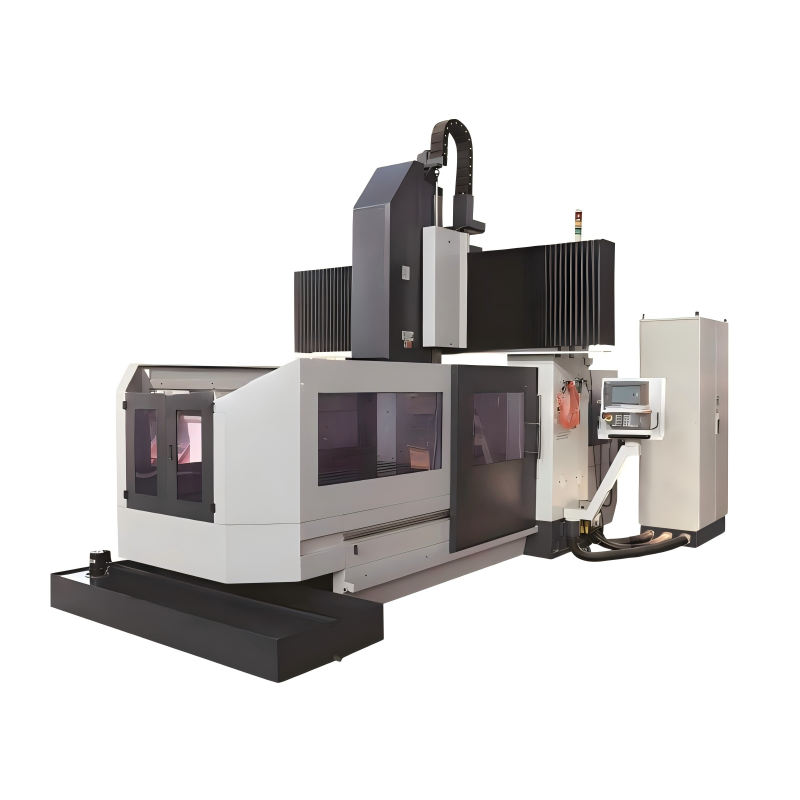
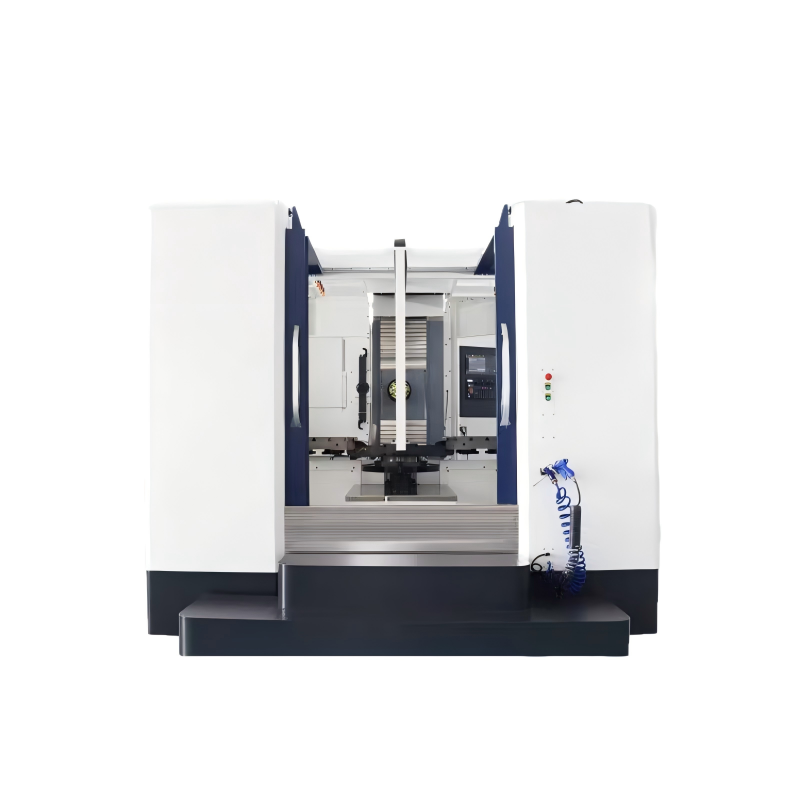
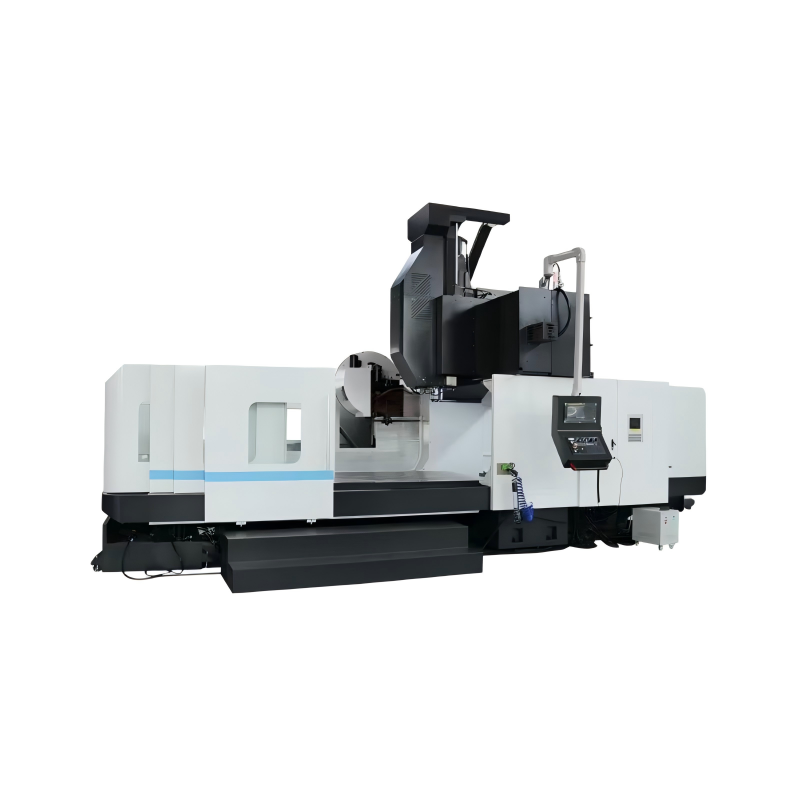
Box way systems, integral to the construction of Vertical Machining Centers (VMC), play a crucial role in enhancing both the reliability and efficiency of these machines. The design principles behind box ways are focused on providing a robust foundation for the movement of heavy loads with high precision. By employing a sliding mechanism over a flat surface, as opposed to roller or ball bearings, box ways ensure that the forces exerted during machining operations are evenly distributed, leading to reduced wear and tear over time. This feature is particularly advantageous in environments where continuous operation under heavy load conditions is required, as it minimizes the risk of mechanical failure, thereby increasing the overall lifespan of the machine. Furthermore, the simplicity of the box way design also contributes to easier maintenance and repair, making it a cost-effective solution for manufacturers aiming to optimize their production processes.
One of the most significant advantages offered by the integration of box way technology into VMCs is the enhancement of rigidity and stability. These characteristics are essential for achieving high levels of accuracy and repeatability in machining operations. Box ways, due to their larger contact area compared to other types of guideways, provide superior damping properties, which help in reducing vibrations. Reduced vibration leads to improved surface finish quality and tighter tolerances, critical factors in industries such as aerospace, automotive, and medical device manufacturing, where precision is paramount. Additionally, the increased stiffness provided by box ways allows for more aggressive cutting parameters, enabling faster material removal rates without compromising on part quality. This not only boosts productivity but also reduces cycle times, contributing significantly to the operational efficiency of VMCs.
Beyond improving precision and extending the service life of VMCs, box way systems also contribute to energy savings, an increasingly important consideration in today's manufacturing landscape. The inherent design of box ways, which involves less friction than alternative solutions, means that less power is consumed in moving the machine components. This reduction in energy consumption directly translates to lower operating costs and a smaller environmental footprint. Moreover, the lubrication requirements for box way systems are typically simpler and more straightforward, further contributing to their energy-efficient nature. As sustainability becomes a core focus across all sectors, the adoption of technologies like Box Way VMC Machines presents a viable strategy for manufacturers looking to enhance their green credentials while maintaining or even improving their competitive edge.
To maximize the benefits of box way VMC machines, advancements in materials science and coating technologies have been pivotal. Modern box ways often incorporate special alloys and composite materials that offer enhanced durability and resistance to corrosion, ensuring consistent performance even under harsh working conditions. Additionally, the application of advanced coatings, such as titanium nitride (TiN) or diamond-like carbon (DLC), can significantly reduce friction and wear, further extending the lifespan of the machine. These technological enhancements not only improve the operational efficiency of VMCs but also make them more versatile, capable of handling a wider range of materials and applications. As research and development continue to push the boundaries of what is possible, the future of box way VMC machines looks promising, with potential for even greater improvements in reliability, precision, and energy efficiency.
Proper maintenance is key to realizing the full potential of box way VMC machines in terms of longevity and consistent performance. Regular inspection and cleaning of the box way surfaces, along with timely lubrication, are essential practices to prevent premature wear and ensure smooth operation. Employing automated lubrication systems can further streamline this process, minimizing downtime and human error. Additionally, implementing condition monitoring techniques, such as vibration analysis and thermal imaging, can help detect early signs of wear or misalignment, allowing for proactive maintenance and avoiding costly repairs. By adopting a comprehensive maintenance strategy, manufacturers can extend the useful life of their VMCs, ensuring they remain reliable and efficient tools in the production environment. This not only supports long-term cost savings but also enhances the overall competitiveness of the manufacturing operation.
 19/06/2026
The evolution of manufacturing technology has been marked by significant advancements in precision, efficiency, and durability. One such advancement is the Box Way VMC (Vertical Machining Center) machine, which has become a cornerstone in modern machining
Read More19/06/2026In the realm of precision machining, the integration of advanced box way technology into VMC (Vertical Machining Center) machines has marked a significant leap in performance and reliability. This report delves into the core benefits and technical advance
Read More19/06/2026In the realm of precision manufacturing, the Box Way VMC (Vertical Machining Center) stands out as a pinnacle of engineering excellence. This article delves into how the Box Way design significantly enhances the accuracy and efficiency of VMC machines, ma
Read More18/06/2026The advent of advanced manufacturing technologies has significantly transformed the landscape of industrial production, with the Box Way VMC (Vertical Machining Center) Machine standing out as a prime example. This piece of machinery represents more than
Read More18/06/2026Understanding the Core Components of a Box Way VMC MachineThe Box Way Vertical Machining Center (VMC) is a cornerstone in modern manufacturing, known for its robust construction and precision. At the heart of these machines lies the box way design, which
Read More18/06/2026In the realm of modern manufacturing, the Vertical Machining Center (VMC) stands out as a cornerstone for precision and efficiency. Among the various components that make up these sophisticated machines, the box way system has been a subject of continuous
Read More18/06/2026Box Way VMC Machine, a term that has been gaining significant attention in the machining industry, represents an innovative approach to improving the performance and longevity of Vertical Machining Centers (VMCs). This technology focuses on the use of box
Read MoreOur professional sales team is always ready to assist you.