In the realm of precision machining, the CNC lathe with flat bed stands out as a versatile and indispensable tool. This article delves into the role of CNC Lathes with flat bed in precision machining, exploring their capabilities, advantages, and the impact they have on modern manufacturing processes.
Enhanced Precision and Accuracy
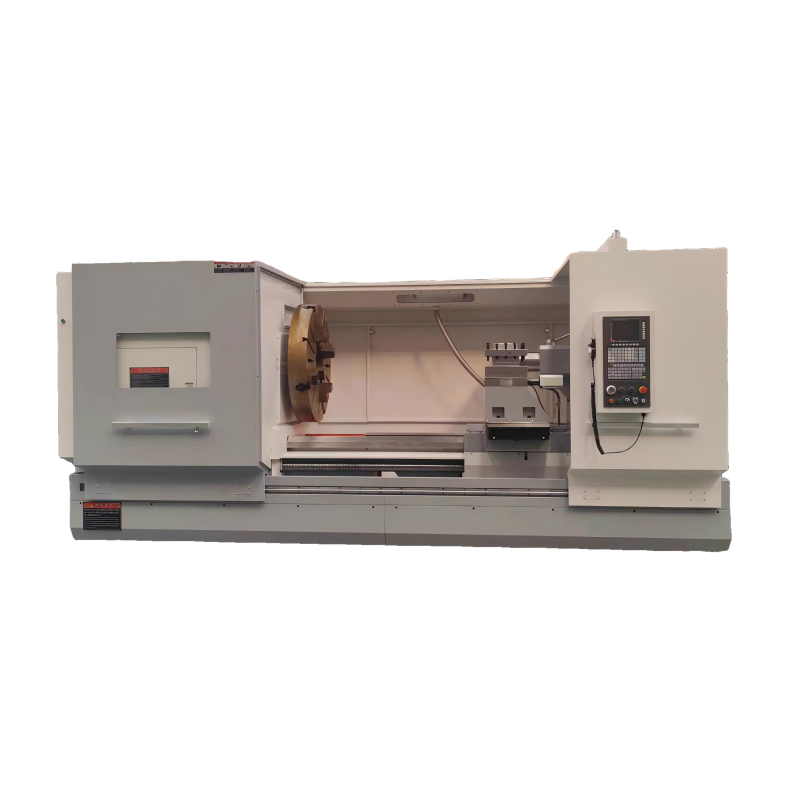
The CNC lathe with flat bed is designed to deliver exceptional precision and accuracy, making it a preferred choice for high-precision machining tasks. The flat bed design ensures that the workpiece remains stable and secure during the machining process, minimizing vibrations and ensuring consistent results. This stability is crucial for achieving tight tolerances, which are often required in industries such as aerospace, automotive, and medical device manufacturing.
Moreover, the advanced control systems of these lathes allow for precise programming and execution of complex machining operations. The ability to program intricate tool paths and adjust parameters in real-time enables operators to achieve the highest levels of precision and consistency, even in high-volume production runs.
Increased Productivity and Efficiency
One of the key advantages of using a CNC lathe with flat bed is the significant increase in productivity and efficiency. These machines are capable of performing multiple operations in a single setup, reducing the need for manual intervention and minimizing setup times. The ability to automate the entire machining process, from loading the workpiece to unloading the finished part, allows for continuous operation and increased throughput.
Additionally, the flat bed design provides ample space for larger and more complex workpieces, enabling the machining of a wide range of components. This versatility, combined with the speed and accuracy of the CNC system, makes these lathes an ideal solution for both small-batch and large-scale production environments.
Flexibility and Adaptability
CNC lathes with flat bed offer a high degree of flexibility and adaptability, allowing them to be used in a variety of machining applications. The modular design of these machines enables easy integration of additional tools and accessories, such as live tooling, sub-spindles, and automatic tool changers. This flexibility allows manufacturers to customize the machine to meet specific production requirements, whether it be for turning, milling, drilling, or other operations.
Furthermore, the advanced software and control systems of these lathes support a wide range of programming languages and file formats, making it easy to import and execute CAD/CAM designs. This adaptability ensures that the CNC lathe with flat bed can be seamlessly integrated into existing manufacturing workflows, enhancing overall operational efficiency and productivity.
Cost-Effectiveness and Long-Term Investment
While the initial investment in a CNC lathe with flat bed may be higher compared to traditional manual lathes, the long-term cost-effectiveness and return on investment (ROI) make it a worthwhile choice for many manufacturers. The increased productivity, reduced scrap rates, and lower labor costs associated with automated machining processes can lead to significant cost savings over time.
Moreover, the durability and reliability of these machines, coupled with regular maintenance, ensure a long service life. This longevity, combined with the ability to upgrade and expand the machine's capabilities, makes the CNC lathe with flat bed a sound long-term investment for any precision machining operation.
Conclusion
The CNC lathe with flat bed plays a pivotal role in precision machining, offering enhanced precision, increased productivity, and flexibility. Its ability to handle a wide range of machining tasks, combined with its cost-effectiveness and long-term investment value, makes it an essential tool for modern manufacturing. As technology continues to advance, the CNC lathe with flat bed will remain at the forefront of precision machining, driving innovation and efficiency in the industry.

 16/06/2026



