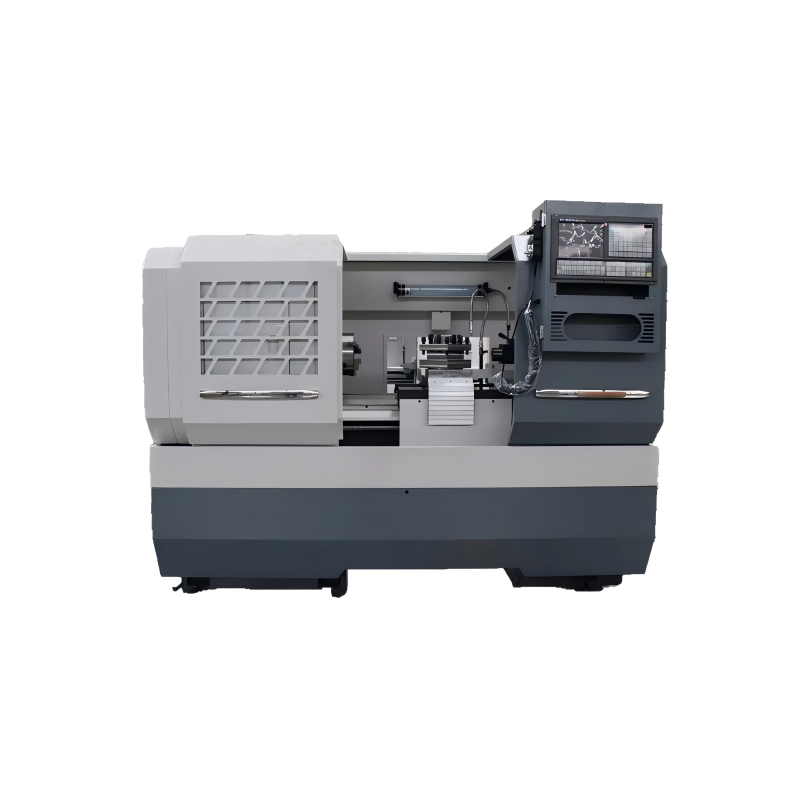
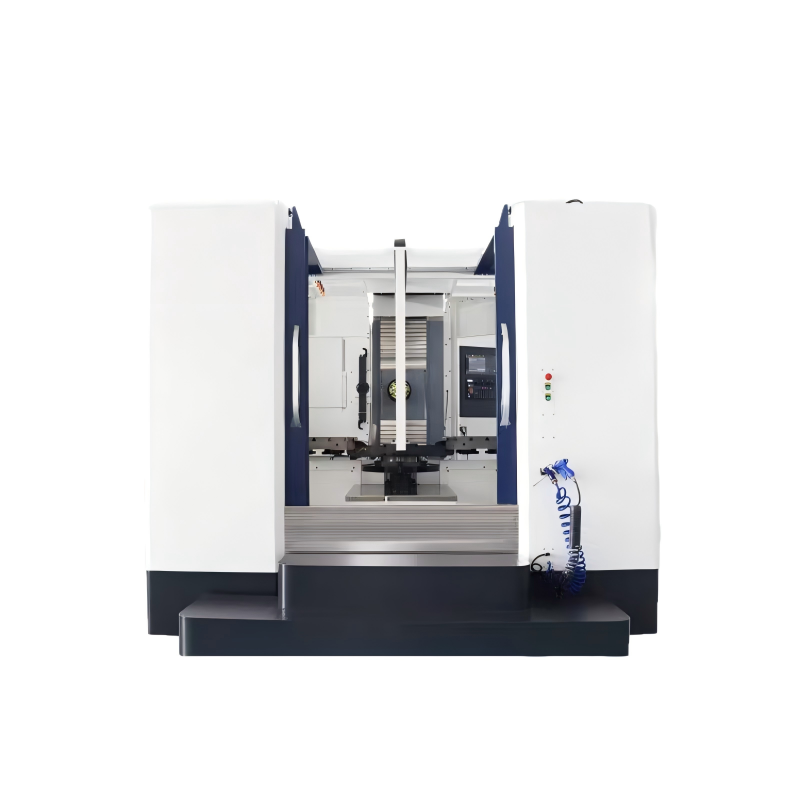
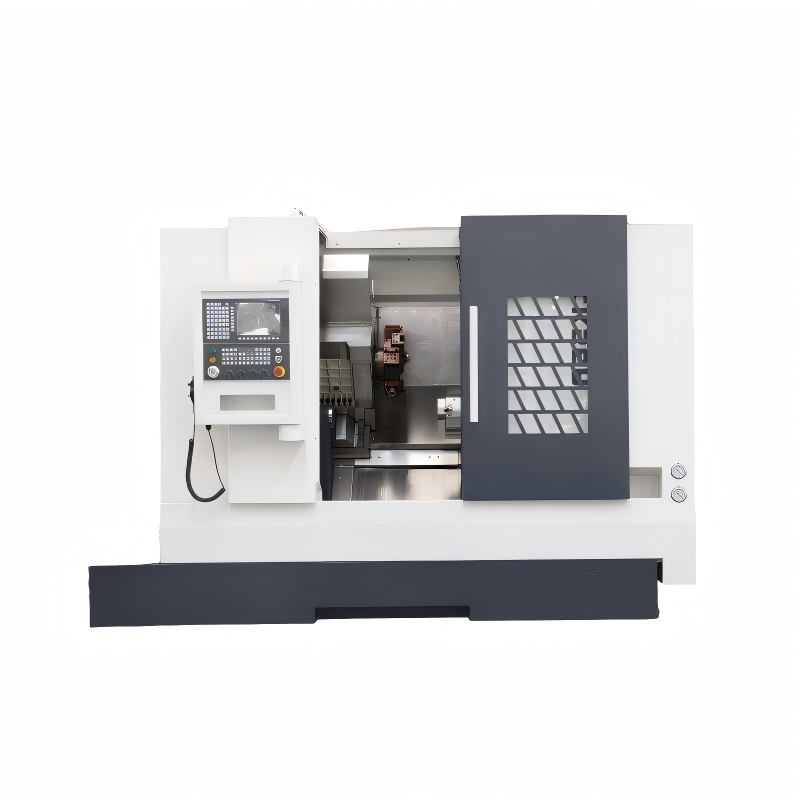
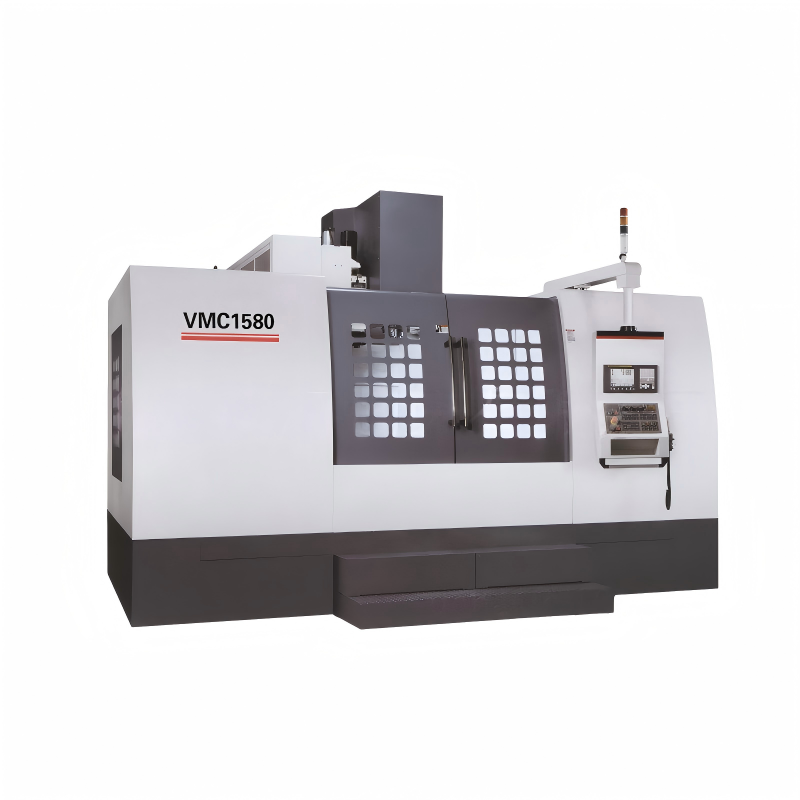
In the realm of modern manufacturing, high-precision milling machine tools play a pivotal role in shaping the future of industrial production. These advanced machines, such as the CK6136, are designed to deliver unparalleled accuracy and efficiency, enabling manufacturers to meet the stringent demands of today's market. This report delves into the significance of high-precision milling machine tools, focusing on their impact on manufacturing processes, the benefits they offer, and the challenges associated with their implementation.
One of the most significant advantages of high-precision milling machine tools is their ability to enhance production accuracy. The CK6136, for instance, is equipped with state-of-the-art technology that ensures minimal deviation from the desired specifications. This level of precision is crucial in industries where even the slightest error can result in substandard products or, worse, safety hazards. By using high-precision milling machines, manufacturers can produce components with tight tolerances, thereby improving the overall quality of the final product. This not only boosts customer satisfaction but also reduces the likelihood of recalls and rework, ultimately saving time and resources.
High-precision milling machine tools like the CK6136 are designed to streamline manufacturing processes, leading to increased operational efficiency. These machines are capable of performing complex operations with speed and consistency, reducing the need for manual intervention. Automation features, such as CNC (Computer Numerical Control) systems, enable operators to program and execute multiple tasks simultaneously, thereby maximizing productivity. Additionally, the integration of advanced software and sensors allows for real-time monitoring and adjustment, ensuring that the machines operate at optimal performance levels. This results in faster production cycles, lower labor costs, and a more agile manufacturing environment.
The adaptability of high-precision milling machine tools is another key factor that contributes to their importance in modern manufacturing. Machines like the CK6136 can be easily reconfigured to accommodate different materials and designs, making them ideal for both small-batch and large-scale production. This flexibility enables manufacturers to respond quickly to changing market demands and to innovate continuously. For example, the ability to switch between different tooling setups and machining parameters allows for the rapid prototyping of new products, which is essential in industries such as aerospace and automotive. Furthermore, the use of high-precision milling machines supports the development of new manufacturing techniques, such as additive manufacturing and hybrid processes, which can lead to breakthroughs in material science and engineering.
While high-precision milling machine tools offer numerous benefits, their implementation also comes with several challenges. One of the primary concerns is the initial investment cost, as these machines can be quite expensive. However, the long-term savings in terms of reduced waste, improved quality, and increased efficiency often justify the upfront expenditure. Another challenge is the need for skilled operators who can effectively utilize the advanced features of these machines. Training programs and ongoing support are essential to ensure that the workforce is capable of leveraging the full potential of high-precision milling machines. Additionally, maintenance and calibration requirements must be carefully managed to maintain the machines' performance over time. Regular inspections and timely repairs are necessary to prevent downtime and ensure consistent output.
In conclusion, high-precision milling machine tools, such as the CK6136, are indispensable in modern manufacturing. Their ability to enhance production accuracy, increase operational efficiency, and facilitate innovation makes them a valuable asset for any manufacturing facility. While there are challenges associated with their implementation, the benefits far outweigh the drawbacks. As technology continues to advance, the role of high-precision milling machines in shaping the future of manufacturing will only become more pronounced. Manufacturers who invest in these cutting-edge tools will be well-positioned to stay competitive and meet the evolving needs of the global market.
 22/06/2026
As the manufacturing industry continues to evolve, the need for precision and efficiency in machining processes has never been more critical. One of the key players in this evolution is the VMC (Vertical Machining Center) machine, particularly those equip
Read More22/06/2026With the rapid advancement in manufacturing technology, Twin Spindle Horizontal CNC Lathes have become a cornerstone of modern machining. Among these, the CK6136 model stands out as a prime example of Chinese engineering excellence. This report delves int
Read More22/06/2026In the rapidly evolving landscape of manufacturing, technological advancements play a pivotal role in enhancing productivity and efficiency. One such innovation that has been gaining significant attention is the CK6136 twin spindle horizontal CNC lathe, m
Read More22/06/2026In the realm of precision manufacturing, the integration of advanced machinery has become a cornerstone for enhancing productivity and maintaining competitive edges. Among these innovations, the CK6136 twin spindle horizontal CNC lathe from China stands o
Read More22/06/2026In the realm of precision machining, the evolution towards automation has brought about significant improvements in efficiency, accuracy, and cost-effectiveness. Among the leading solutions in this field is the CK6136, a fully automatic horizontal CNC lat
Read More22/06/2026In the realm of modern manufacturing, precision and efficiency are paramount. The CK6136 horizontal CNC lathe with gang tooling from China has emerged as a game-changer in the industry, offering unparalleled performance and productivity. This report delve
Read More17/06/2026The CK6136 small vertical CNC machining center represents a significant advancement in the field of compact precision manufacturing. Designed to handle intricate and space-efficient jobs, this machine combines advanced technology with user-friendly operat
Read More16/06/2026The CK6136 is an innovative solution in the field of high-precision turning, offering unparalleled accuracy and efficiency. This technical report will explore the various aspects of the CK6136, highlighting its key features, technological advancements, an
Read More14/06/2026Discovering the Robust Performance of the CK6136 Lathe Machine delves into the advanced capabilities and reliability of this machine, which has become a staple in modern manufacturing. The CK6136 lathe is known for its precision, efficiency, and versatili
Read More14/06/2026The CK6136 is a cutting-edge machine that has been making waves in the high-precision machining industry. This technical report delves into the features and benefits of the CK6136, highlighting its innovative design, advanced functionalities, and signific
Read More14/06/2026The CK6136, a cutting-edge CNC lathe, represents the pinnacle of modern manufacturing technology. This report delves into the journey from concept to creation, highlighting the innovative design, advanced features, and practical applications of the CK6136
Read More10/06/2026Understanding the CK6136 CNC lathe's technical advantages is crucial for manufacturers looking to optimize their production processes. This machine, known for its precision and versatility, offers several key benefits that set it apart from other lathes i
Read More08/06/2026CK6136, a cutting-edge CNC lathe, has been making waves in the metalworking industry with its advanced features and capabilities. This machine is not just another tool; it represents a significant leap forward in terms of precision, efficiency, and versat
Read More07/06/2026The CK6136 CNC lathe model represents a significant advancement in the field of precision machining, offering improved performance, efficiency, and versatility. This report delves into the key features and technological advancements that make the CK6136 a
Read More06/06/2026Exploring the CK6136 lathe, this report delves into its efficiency and reliability, providing a comprehensive analysis of its performance in various manufacturing scenarios. The CK6136 is recognized for its robust design, which enhances both productivity
Read More05/06/2026CK6136, a model that has been making waves in the machining industry, is more than just another piece of equipment. It represents a significant leap forward in terms of versatility and efficiency, catering to the evolving needs of modern manufacturing. Th
Read More04/06/2026In this comprehensive guide, we will explore the multifaceted applications of the CK6136, a versatile and robust CNC lathe, across various industries. The CK6136 is known for its precision, reliability, and adaptability, making it an essential tool in man
Read More04/06/2026The CK6136, a sophisticated CNC lathe machine, plays an instrumental role in modern manufacturing processes by significantly enhancing productivity and reducing operational costs. This report delves into the multifaceted ways in which the CK6136 contribut
Read More04/06/2026CK6136, a cutting-edge CNC lathe, is transforming the manufacturing landscape through its advanced features, setting new standards for precision, efficiency, and versatility. This technical report explores how CK6136 has become an indispensable tool in mo
Read More04/06/2026In the realm of industrial machinery, precision and efficiency are paramount. The CK6136, a cutting-edge CNC lathe, exemplifies these qualities, offering unparalleled performance for various manufacturing applications. This report delves into the key feat
Read More04/06/2026CK6136 is a versatile machine tool that has been widely adopted across various industries due to its robust design, precision, and adaptability. This report delves into the capabilities of CK6136 in modern machining processes, highlighting its role in enh
Read More04/06/2026CK6136 CNC Lathe Machine: Precision Manufacturing at Its BestThe CK6136 CNC lathe machine is a high-precision, versatile, and reliable tool designed for the modern manufacturing industry. This machine offers unparalleled accuracy and efficiency, making it
Read MoreOur professional sales team is always ready to assist you.