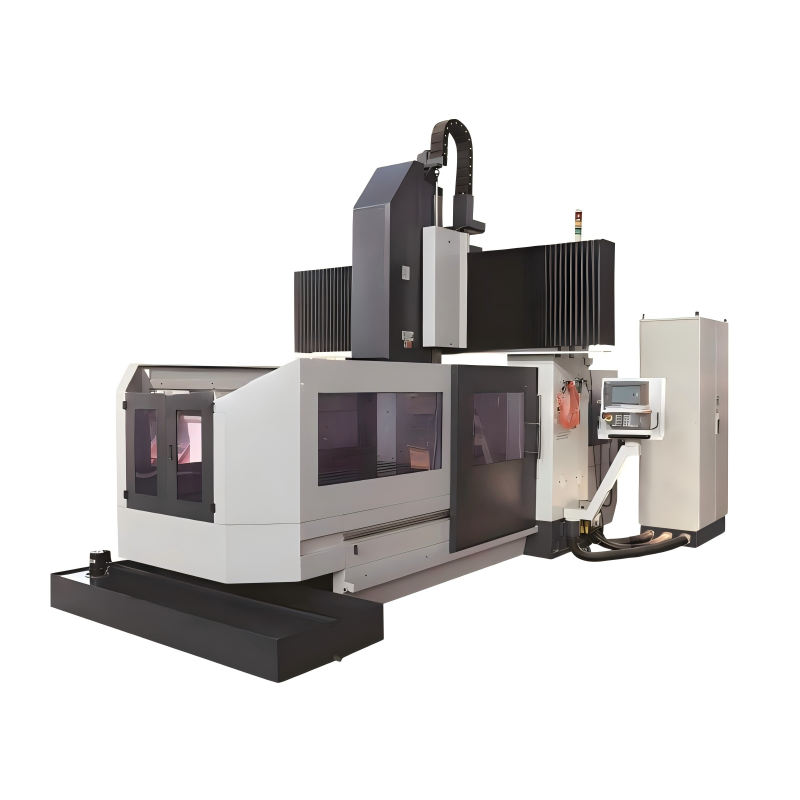
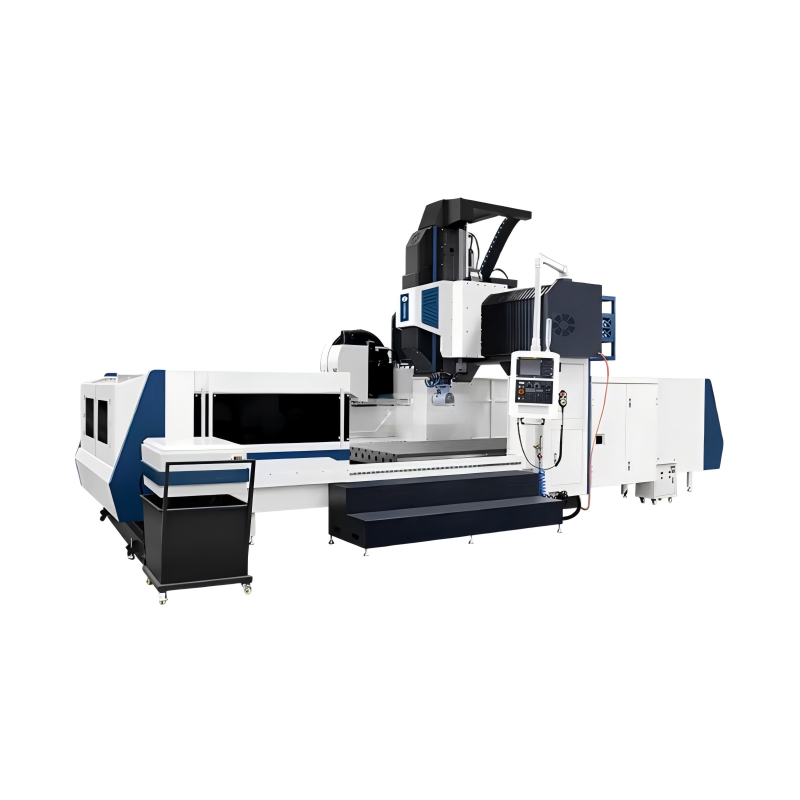
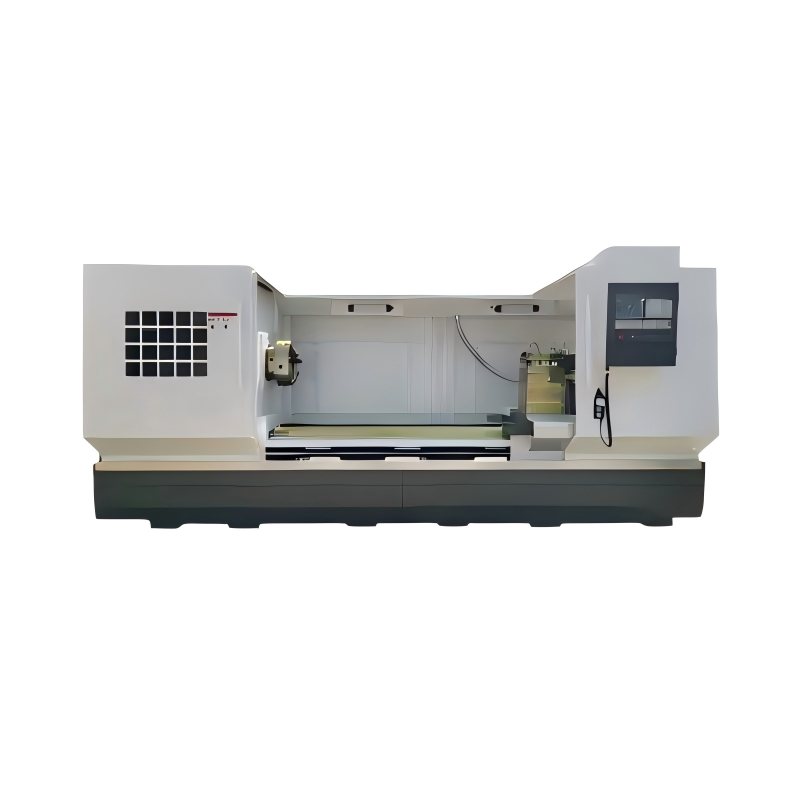
In today’s manufacturing landscape, the integration of advanced machinery like high-precision milling machine tools and CNC lathes with flat beds is pivotal for achieving optimal productivity. These machines not only enhance the precision and efficiency of production processes but also contribute significantly to the overall quality and consistency of the final products. This report delves into how a CNC Lathe with a flat bed can be utilized to maximize productivity, focusing on key aspects such as setup, programming, and maintenance.
Optimizing Setup for Enhanced Efficiency
The initial setup of a CNC lathe with a flat bed is critical for ensuring smooth and efficient operation. Proper alignment and calibration of the machine are essential to achieve high-precision results. The flat bed design offers a stable platform that minimizes vibrations and ensures consistent performance. To optimize the setup, it is crucial to follow these steps:
- Machine Alignment: Ensure the lathe is level and properly aligned to prevent any misalignment that could lead to inaccuracies in the machining process.
- Tooling Selection: Choose the appropriate cutting tools and tool holders that are compatible with the high-precision milling machine tool. High-quality tools will result in better surface finishes and longer tool life.
- Workholding Solutions: Use reliable workholding fixtures that securely hold the workpiece in place. This prevents movement during the machining process, ensuring accurate and repeatable results.
By following these setup guidelines, manufacturers can significantly reduce setup times and improve the overall efficiency of their production processes.
Advanced Programming Techniques for Precision Machining
Programming is a fundamental aspect of operating a CNC lathe with a flat bed. Advanced programming techniques can greatly enhance the precision and speed of the machining process. Here are some key strategies to consider:
- CAD/CAM Integration: Utilize CAD/CAM software to create detailed and accurate toolpaths. This software allows for the simulation of the machining process, enabling operators to identify and correct potential issues before actual machining begins.
- Macro Programming: Implement macro programming to automate repetitive tasks and standardize operations. Macros can save significant time and reduce the likelihood of human error.
- High-Speed Machining (HSM): Employ HSM techniques to increase the feed rate and spindle speed, thereby reducing machining time without compromising on accuracy. HSM requires careful consideration of tool paths and cutting parameters to avoid excessive tool wear and maintain surface finish quality.
By leveraging these advanced programming techniques, manufacturers can achieve higher levels of precision and productivity, making the most out of their CNC lathe with a flat bed.
Maintenance and Troubleshooting for Long-Term Reliability
Regular maintenance and effective troubleshooting are essential for ensuring the long-term reliability and performance of a CNC lathe with a flat bed. A well-maintained machine will operate more efficiently and have a longer lifespan. Here are some best practices for maintenance and troubleshooting:
- Preventive Maintenance: Schedule regular maintenance checks to inspect and replace worn-out components such as bearings, belts, and lubricants. Regular cleaning and inspection of the machine can also help identify potential issues before they become major problems.
- Software Updates: Keep the CNC control software up to date to benefit from the latest features and bug fixes. Regular software updates can improve the machine's performance and enhance its capabilities.
- Training and Documentation: Provide comprehensive training for operators and maintain detailed documentation of the machine's specifications, maintenance procedures, and troubleshooting guides. Well-trained operators and readily available documentation can help resolve issues quickly and efficiently.
By implementing a robust maintenance and troubleshooting strategy, manufacturers can ensure that their CNC lathe with a flat bed operates at peak performance, minimizing downtime and maximizing productivity.
In conclusion, the integration of a CNC lathe with a flat bed, along with a high-precision milling machine tool, offers significant advantages in terms of precision, efficiency, and productivity. By optimizing the setup, utilizing advanced programming techniques, and maintaining the machine effectively, manufacturers can achieve superior results and stay competitive in the ever-evolving manufacturing industry.

 22/06/2026



