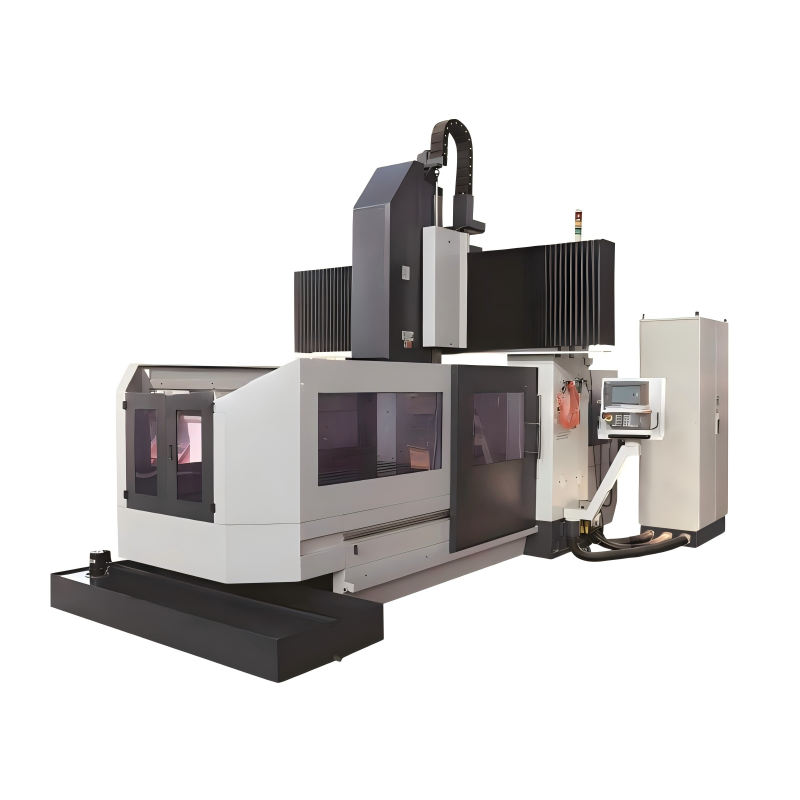
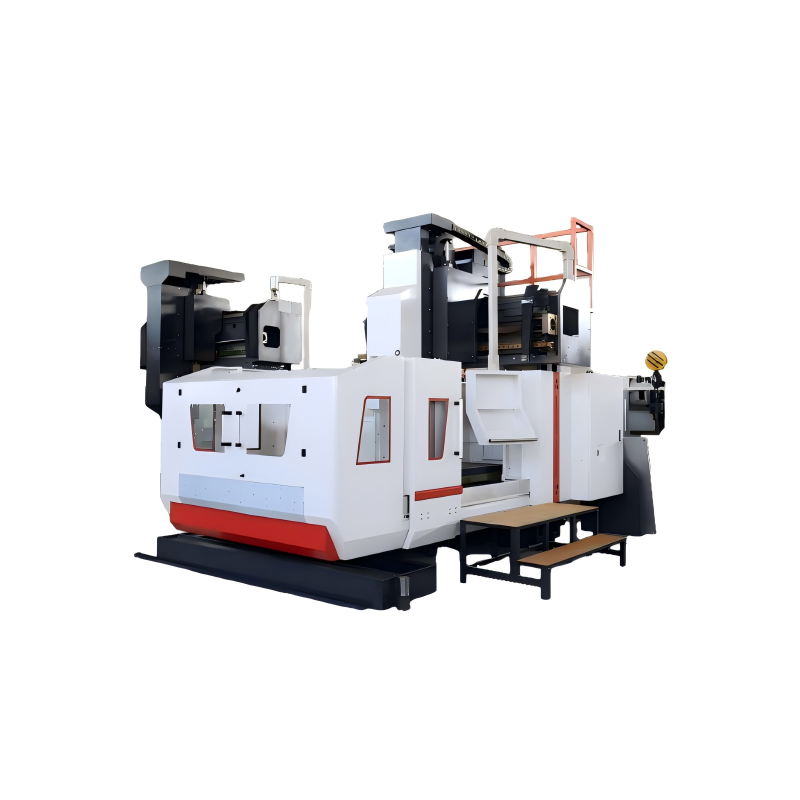
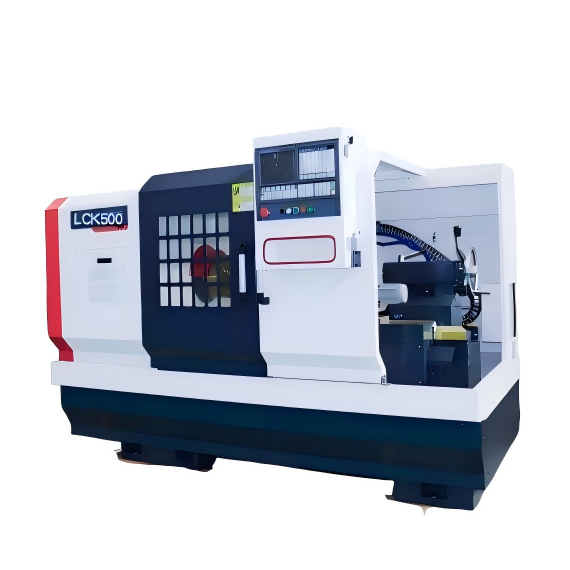
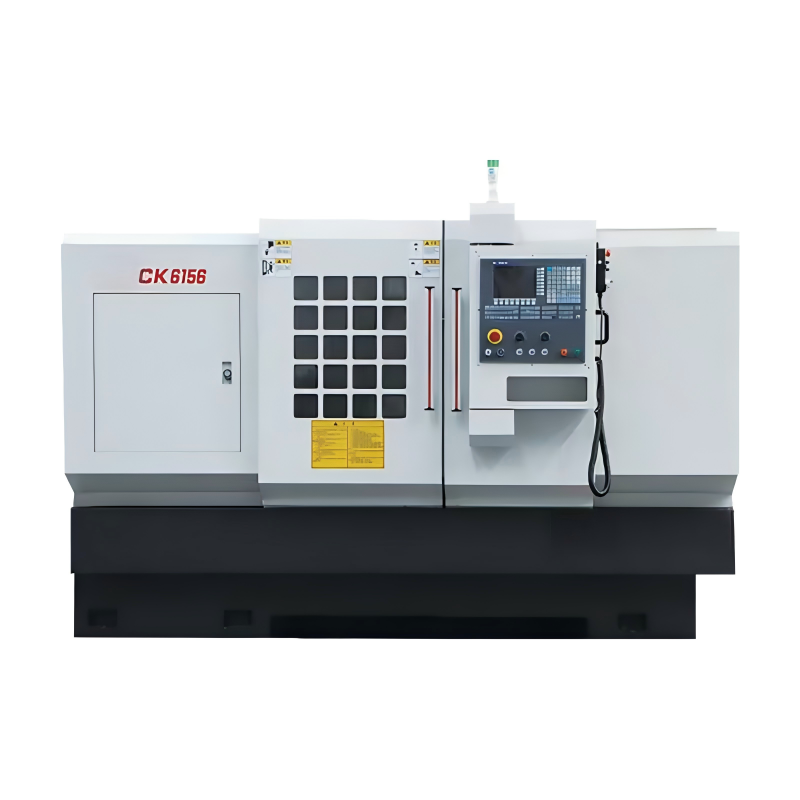
In the realm of modern manufacturing, achieving unmatched precision is not just a goal; it is a necessity. high-precision milling machine tools play a pivotal role in this endeavor, enabling manufacturers to produce components with exacting standards. This technical report delves into the capabilities and advancements of high-precision milling machine tools, exploring how they contribute to unparalleled accuracy and efficiency in various industries.
Over the years, milling technology has undergone significant transformations. Traditional milling machines, while effective for many applications, often fell short when it came to meeting the stringent requirements of high-precision work. The advent of high-precision milling machine tools marked a paradigm shift in the industry. These advanced machines are equipped with state-of-the-art features such as multi-axis control, high-resolution feedback systems, and sophisticated software, which collectively enhance their ability to deliver precise and consistent results. The integration of these technologies has not only improved the accuracy of milling operations but also expanded the range of materials that can be processed, from metals and plastics to composites and ceramics.
High-precision milling machine tools are distinguished by several key features that set them apart from their conventional counterparts. One of the most critical aspects is the use of high-precision spindles, which ensure minimal runout and vibration, leading to smoother and more accurate cuts. Additionally, these machines incorporate advanced CNC (Computer Numerical Control) systems, which provide precise control over the tool path and feed rates. The CNC systems are often complemented by real-time monitoring and adaptive control, allowing the machine to make adjustments on the fly to maintain optimal performance. Another notable feature is the use of linear scales and encoders, which provide high-resolution feedback, ensuring that the machine's movements are accurately tracked and controlled. These features collectively contribute to the high-precision milling machine tool's ability to achieve tolerances as tight as a few microns, making them indispensable in industries where precision is paramount.
The versatility of high-precision milling machine tools makes them suitable for a wide range of applications across various industries. In the aerospace sector, for example, these machines are used to manufacture critical components such as turbine blades and engine parts, where even the slightest deviation can have catastrophic consequences. Similarly, in the medical industry, high-precision milling machine tools are employed to produce intricate surgical instruments and implantable devices, where precision is crucial for patient safety and efficacy. The automotive industry also benefits from these machines, particularly in the production of high-performance engines and transmission components. Beyond these sectors, high-precision milling machine tools find applications in electronics, where they are used to create circuit boards and other delicate components, and in the mold and die industry, where they are essential for producing molds with complex geometries. The ability of these machines to handle a variety of materials and achieve tight tolerances makes them a valuable asset in any manufacturing environment that demands precision.
Despite their numerous advantages, high-precision milling machine tools also present certain challenges. One of the primary concerns is the need for regular maintenance and calibration to ensure continued accuracy. Any misalignment or wear in the machine's components can lead to deviations in the final product, compromising the overall quality. To address this, manufacturers often implement rigorous maintenance schedules and employ advanced diagnostic tools to detect and correct issues before they become problematic. Another challenge is the cost associated with acquiring and operating these machines. High-precision milling machine tools are typically more expensive than their conventional counterparts, and the specialized training required to operate them adds to the overall investment. However, the long-term benefits, including reduced scrap rates, improved productivity, and enhanced product quality, often justify the initial expenditure. Additionally, advancements in automation and robotics are helping to reduce the operational costs by minimizing human intervention and increasing efficiency. By leveraging these solutions, manufacturers can overcome the challenges and fully realize the potential of high-precision milling machine tools.
The field of high-precision milling is continually evolving, driven by the demand for ever-increasing accuracy and efficiency. One of the emerging trends is the integration of artificial intelligence (AI) and machine learning (ML) into the milling process. AI algorithms can analyze data from sensors and feedback systems to predict and prevent potential issues, further enhancing the machine's performance. Another area of innovation is the development of hybrid machines that combine milling with other processes, such as turning or grinding, in a single setup. This approach reduces the need for multiple setups and improves overall process efficiency. Additionally, advances in material science are leading to the creation of new, more challenging materials that require high-precision milling machine tools to process effectively. As these trends continue to unfold, high-precision milling machine tools will remain at the forefront of manufacturing, enabling the production of components with unmatched precision and quality.
In conclusion, high-precision milling machine tools are essential for achieving unmatched precision in modern manufacturing. Their advanced features, versatile applications, and ongoing innovations make them a cornerstone of precision engineering. By addressing the challenges and embracing new technologies, manufacturers can leverage these machines to produce components that meet the highest standards of accuracy and quality, driving progress in a wide range of industries.
 22/06/2026
Introduction to the CK6136 High-Precision Milling Machine ToolThe CK6136 is a high-precision milling machine tool that has been designed with advanced technology and superior craftsmanship. This model, known for its reliability and versatility, serves as
Read More22/06/2026In today’s manufacturing landscape, the integration of advanced machinery like high-precision milling machine tools and CNC lathes with flat beds is pivotal for achieving optimal productivity. These machines not only enhance the precision and efficiency o
Read More22/06/2026High-precision milling machine tools, particularly 4-axis heavy horizontal machining centers, represent a significant advancement in the field of manufacturing. These machines are designed to handle complex and large-scale parts with exceptional accuracy
Read More22/06/2026In the realm of modern manufacturing, precision and efficiency are paramount. Among the various tools and technologies that have revolutionized this field, high-precision milling machine tool and heavy duty CNC turning centers stand out as critical compon
Read More22/06/2026High-precision milling machine tools are a cornerstone in the manufacturing industry, providing unparalleled accuracy and efficiency. These machines are designed to meet the stringent demands of modern production, where precision is paramount. In this rep
Read More08/06/2026The future of high-precision milling is a topic that has garnered significant attention in the manufacturing and engineering sectors. As industries continue to demand higher levels of accuracy and efficiency, the development of high-precision milling mach
Read More08/06/2026In the realm of manufacturing, high-precision milling machine tools represent a significant investment. This report delves into the cost-effectiveness of such an investment, considering both short-term and long-term perspectives. It evaluates how these ad
Read More07/06/2026High-precision milling machines have emerged as a transformative force within the automotive industry, driving innovation and efficiency in manufacturing processes. These advanced tools are not only capable of producing components with unparalleled accura
Read More07/06/2026High-precision milling machine tools are essential in modern manufacturing, providing unparalleled accuracy and efficiency. However, their performance and longevity depend significantly on proper maintenance. This technical report delves into the critical
Read More06/06/2026In the realm of advanced manufacturing, high-precision milling machine tools play a pivotal role in producing complex parts with unparalleled accuracy and efficiency. This report delves into how these sophisticated machines are transforming industries by
Read More06/06/2026High-precision milling machine tools are essential in modern manufacturing, offering unparalleled accuracy and efficiency. This report delves into the capabilities of these advanced machines, exploring their impact on precision engineering, material versa
Read More05/06/2026In the realm of precision engineering, high-precision milling machine tools play a pivotal role in achieving the exacting standards required for components and products across various industries. These machines are designed to deliver unparalleled accurac
Read More05/06/2026In the realm of modern manufacturing, high-precision milling machine tools play a pivotal role in enhancing both productivity and accuracy. These advanced machines are not just tools; they are integral components that drive the efficiency and quality of p
Read More04/06/2026In the realm of aerospace engineering, where precision and reliability are paramount, high-precision milling machine tools play an indispensable role. These advanced machines offer unparalleled accuracy and consistency, which are crucial for manufacturing
Read More04/06/2026In the rapidly evolving landscape of modern manufacturing, high-precision milling machine tools have become indispensable for achieving superior quality and efficiency. These advanced machines are designed to meet the stringent requirements of industries
Read MoreOur professional sales team is always ready to assist you.