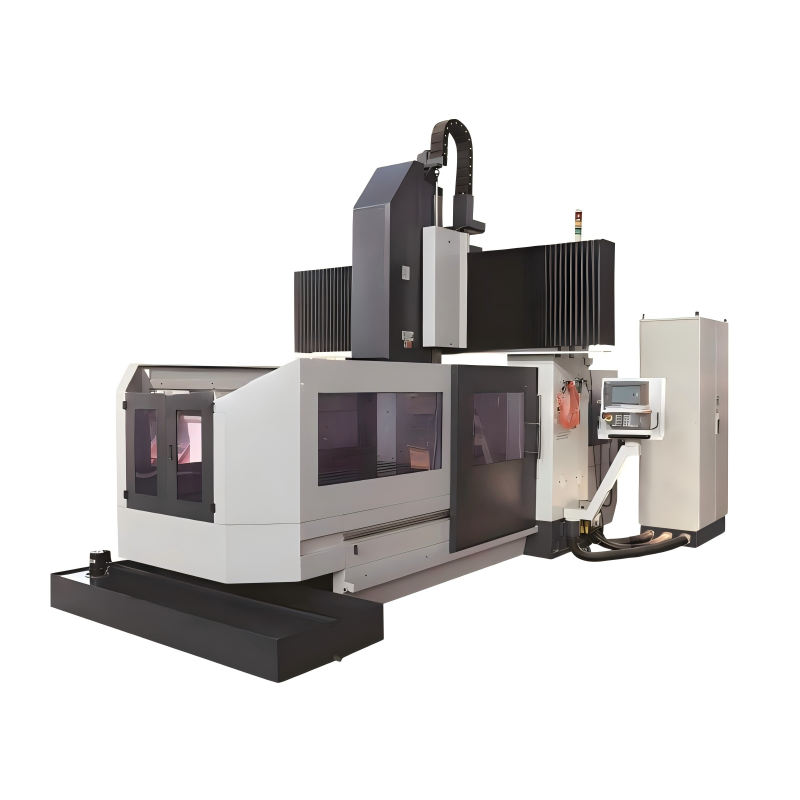
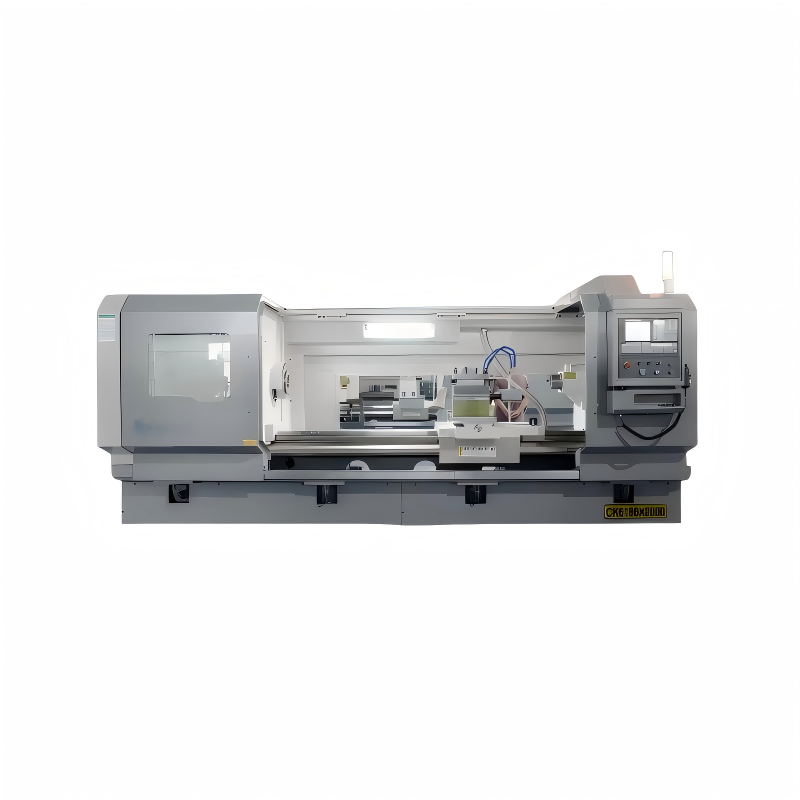
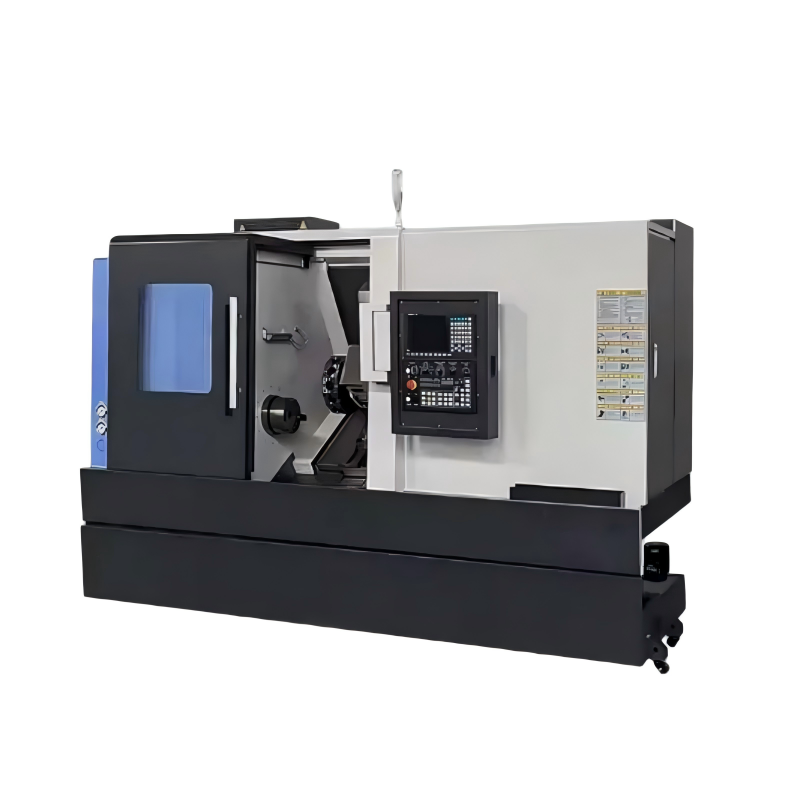
high-precision milling machine tools are a cornerstone in the manufacturing industry, providing unparalleled accuracy and efficiency. These machines are designed to meet the stringent demands of modern production, where precision is paramount. In this report, we will explore the advantages of high-precision milling machine tools, highlighting their key features, applications, and the benefits they bring to manufacturers.
One of the most significant advantages of high-precision milling machine tools is their ability to achieve exceptional accuracy and repeatability. These machines are equipped with advanced control systems, such as CNC (Computer Numerical Control) technology, which allows for precise control over the cutting process. The use of high-quality components, such as linear guides and ball screws, ensures that the machine can maintain its accuracy over long periods of operation. This level of precision is crucial in industries where even the slightest deviation can result in defective products or costly rework. For example, in the aerospace and medical device sectors, where tolerances are extremely tight, high-precision milling machine tools are indispensable.
High-precision milling machine tools also offer significant improvements in productivity and efficiency. These machines are capable of performing complex operations at high speeds, reducing the overall cycle time for each part. Additionally, the use of multi-axis capabilities allows for the machining of intricate geometries in a single setup, eliminating the need for multiple setups and reducing the risk of errors. This not only saves time but also reduces labor costs, making the manufacturing process more cost-effective. Furthermore, the integration of automation technologies, such as robotic loading and unloading systems, further enhances the productivity of these machines, allowing for continuous operation with minimal human intervention.
Another key advantage of high-precision milling machine tools is their versatility and flexibility. These machines can be easily reprogrammed to handle a wide range of materials, from metals and plastics to composites and ceramics. This adaptability makes them suitable for a variety of applications across different industries. For instance, in the automotive industry, high-precision milling machine tools are used to produce engine components, transmission parts, and body panels. In the electronics sector, they are employed to manufacture circuit boards and other delicate components. The ability to switch between different materials and operations without significant downtime or retooling makes these machines highly valuable in dynamic manufacturing environments.
High-precision milling machine tools are designed to minimize tool wear and maintenance, leading to lower operational costs and increased uptime. The use of high-quality materials and advanced coatings on cutting tools, combined with optimized cutting parameters, results in longer tool life. Additionally, the machines are equipped with sophisticated monitoring systems that can detect and alert operators to potential issues before they become critical. This proactive approach to maintenance helps to prevent unexpected breakdowns and extends the lifespan of the machine. Regular maintenance, such as lubrication and calibration, is also simplified due to the modular design of these machines, making it easier to access and service critical components.
The integration of high-precision milling machine tools with Industry 4.0 technologies is another significant advantage. These machines can be connected to the internet and integrated into smart manufacturing systems, enabling real-time data collection and analysis. This connectivity allows for the implementation of predictive maintenance, where sensors and analytics predict when maintenance is required based on the machine's performance data. This not only reduces downtime but also optimizes the use of resources. Additionally, the integration with other manufacturing processes, such as 3D printing and additive manufacturing, creates a seamless and efficient production line. The ability to collect and analyze data also provides valuable insights into the manufacturing process, helping to identify areas for improvement and optimize overall efficiency.
In conclusion, high-precision milling machine tools offer numerous advantages that make them an essential asset in modern manufacturing. Their enhanced accuracy and repeatability, increased productivity and efficiency, versatility and flexibility, reduced tool wear and maintenance, and integration with Industry 4.0 technologies all contribute to their value. As the demand for precision and quality continues to grow, these machines will play an increasingly important role in driving innovation and competitiveness in the manufacturing industry.
 22/06/2026
High-precision milling machine tools, particularly 4-axis heavy horizontal machining centers, represent a significant advancement in the field of manufacturing. These machines are designed to handle complex and large-scale parts with exceptional accuracy
Read More22/06/2026In the realm of modern manufacturing, precision and efficiency are paramount. Among the various tools and technologies that have revolutionized this field, high-precision milling machine tool and heavy duty CNC turning centers stand out as critical compon
Read More08/06/2026The future of high-precision milling is a topic that has garnered significant attention in the manufacturing and engineering sectors. As industries continue to demand higher levels of accuracy and efficiency, the development of high-precision milling mach
Read More08/06/2026In the realm of manufacturing, high-precision milling machine tools represent a significant investment. This report delves into the cost-effectiveness of such an investment, considering both short-term and long-term perspectives. It evaluates how these ad
Read More07/06/2026High-precision milling machines have emerged as a transformative force within the automotive industry, driving innovation and efficiency in manufacturing processes. These advanced tools are not only capable of producing components with unparalleled accura
Read More07/06/2026High-precision milling machine tools are essential in modern manufacturing, providing unparalleled accuracy and efficiency. However, their performance and longevity depend significantly on proper maintenance. This technical report delves into the critical
Read More06/06/2026In the realm of advanced manufacturing, high-precision milling machine tools play a pivotal role in producing complex parts with unparalleled accuracy and efficiency. This report delves into how these sophisticated machines are transforming industries by
Read More06/06/2026High-precision milling machine tools are essential in modern manufacturing, offering unparalleled accuracy and efficiency. This report delves into the capabilities of these advanced machines, exploring their impact on precision engineering, material versa
Read More05/06/2026In the realm of precision engineering, high-precision milling machine tools play a pivotal role in achieving the exacting standards required for components and products across various industries. These machines are designed to deliver unparalleled accurac
Read More05/06/2026In the realm of modern manufacturing, high-precision milling machine tools play a pivotal role in enhancing both productivity and accuracy. These advanced machines are not just tools; they are integral components that drive the efficiency and quality of p
Read More04/06/2026In the realm of aerospace engineering, where precision and reliability are paramount, high-precision milling machine tools play an indispensable role. These advanced machines offer unparalleled accuracy and consistency, which are crucial for manufacturing
Read More04/06/2026In the rapidly evolving landscape of modern manufacturing, high-precision milling machine tools have become indispensable for achieving superior quality and efficiency. These advanced machines are designed to meet the stringent requirements of industries
Read MoreOur professional sales team is always ready to assist you.