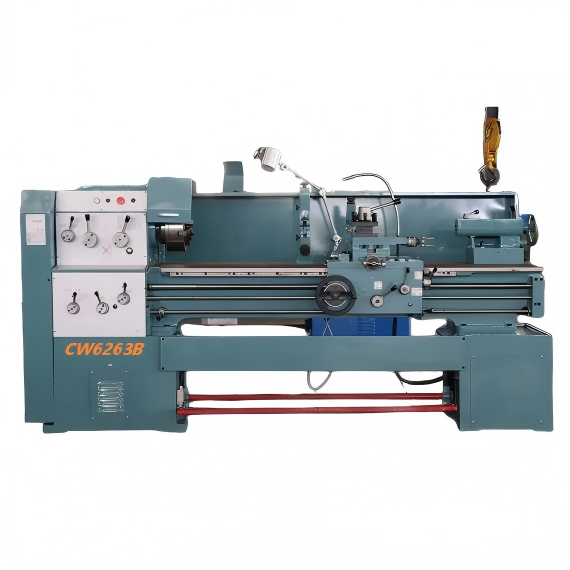
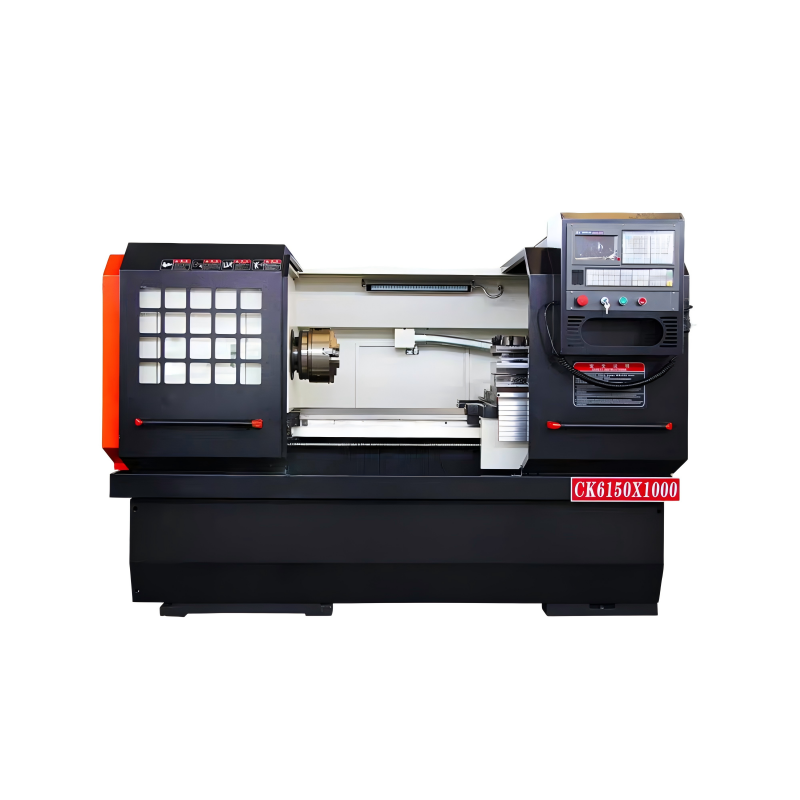
The advancement in manufacturing technology has significantly transformed the way large diameter pipe threads are produced, with Computer Numerical Control (CNC) lathes playing a pivotal role. This report delves into the critical aspect of precision in the production of large diameter pipe threads using CNC Lathes, highlighting key areas where precision is not just beneficial but essential for achieving high-quality outcomes.
Precision in machining, particularly when dealing with Large diameter pipe thread CNC lathe operations, is fundamental to ensuring that the final product meets the required specifications and standards. The accuracy of the thread profile, pitch, and lead directly impacts the performance and longevity of the pipe connections. Inaccuracies can lead to issues such as leakage, poor sealing, and structural weaknesses, which could have severe consequences in applications like oil and gas pipelines, water distribution systems, and industrial machinery. Therefore, maintaining high levels of precision is non-negotiable in this field.
Modern CNC lathes come equipped with advanced features that greatly enhance their ability to produce highly precise large diameter pipe threads. These advancements include:
Together, these technological improvements contribute to a significant increase in the precision and quality of large diameter pipe threads, making them suitable for even the most demanding applications.
While hardware plays a crucial role in the precision of large diameter pipe thread production, the software used to program and control CNC lathes is equally important. Advanced CAD/CAM (Computer-Aided Design/Computer-Aided Manufacturing) software enables engineers and machinists to design and simulate the threading process before any material is actually cut. This pre-production phase is vital for several reasons:
Thus, the integration of sophisticated software solutions with state-of-the-art CNC lathes forms a powerful combination that elevates the standard of precision in large diameter pipe thread production.
The type of material being machined also has a significant impact on the achievable level of precision. Different materials have varying hardness, tensile strength, and thermal conductivity, all of which influence how easily and accurately they can be cut. For example, softer metals like aluminum or brass may offer less resistance during cutting, leading to smoother finishes and tighter tolerances. On the other hand, harder materials such as stainless steel or titanium require more robust cutting tools and careful consideration of cutting conditions to prevent excessive wear and tear on both the tool and the workpiece.
Understanding the material properties and selecting appropriate cutting strategies, including the choice of cutting tools, coolant, and machining parameters, is therefore essential for maximizing precision in large diameter pipe thread production. Regular maintenance and calibration of the CNC lathe, along with proper training for operators, further contribute to consistent and reliable results.
As we look towards the future, the trend towards greater precision in large diameter pipe thread production using CNC lathes is set to continue. Ongoing developments in both hardware and software technologies promise to bring even higher levels of accuracy and efficiency to this critical area of manufacturing. By leveraging these advancements, manufacturers can not only improve the quality of their products but also stay competitive in an increasingly demanding market. Ultimately, the pursuit of precision remains at the heart of successful large diameter pipe thread production, driving innovation and excellence across the industry.
 16/06/2026
With the increasing demand for high-precision machining in various industries, the need for advanced CNC (Computer Numerical Control) lathes that can handle large diameter pipe threading has become more pronounced. This report delves into how state-of-the
Read More16/06/2026The manufacturing of large diameter pipe threads is a complex and demanding process that requires precision, reliability, and efficiency. With the advent of advanced technologies such as Computer Numerical Control (CNC) lathes, the industry has seen signi
Read More16/06/2026In today’s industrial landscape, the demand for efficient and precise machining processes has never been higher. One of the critical areas where this demand is particularly evident is in the production of large diameter pipe threads. The advent of Large d
Read More16/06/2026The advent of large diameter pipe thread CNC lathe technology has revolutionized the way industries approach pipe machining. This report delves into how advanced CNC lathes have become indispensable for large diameter pipe machining, offering unparalleled
Read MoreOur professional sales team is always ready to assist you.