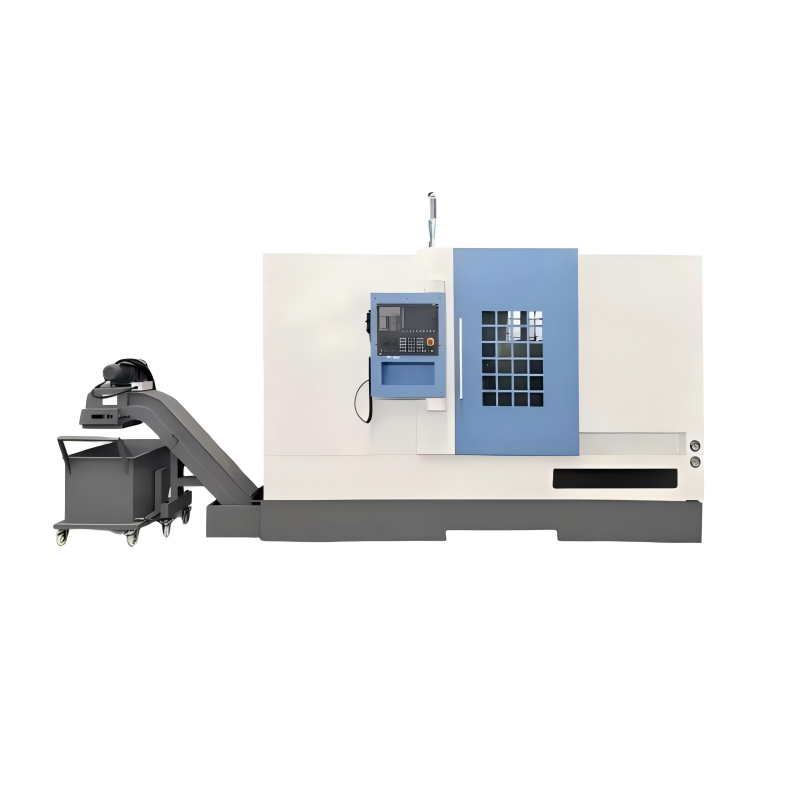
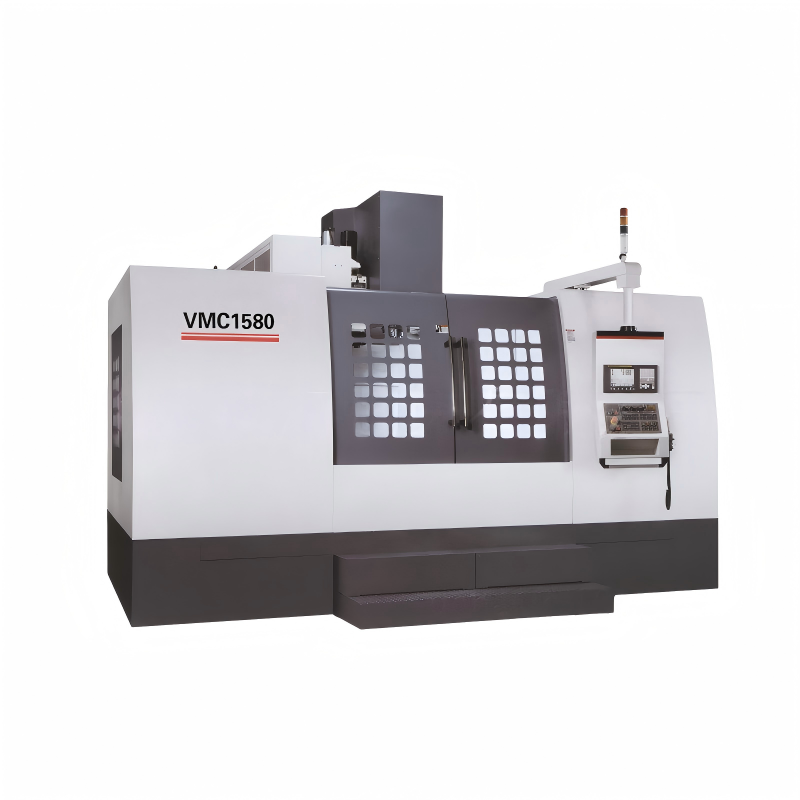
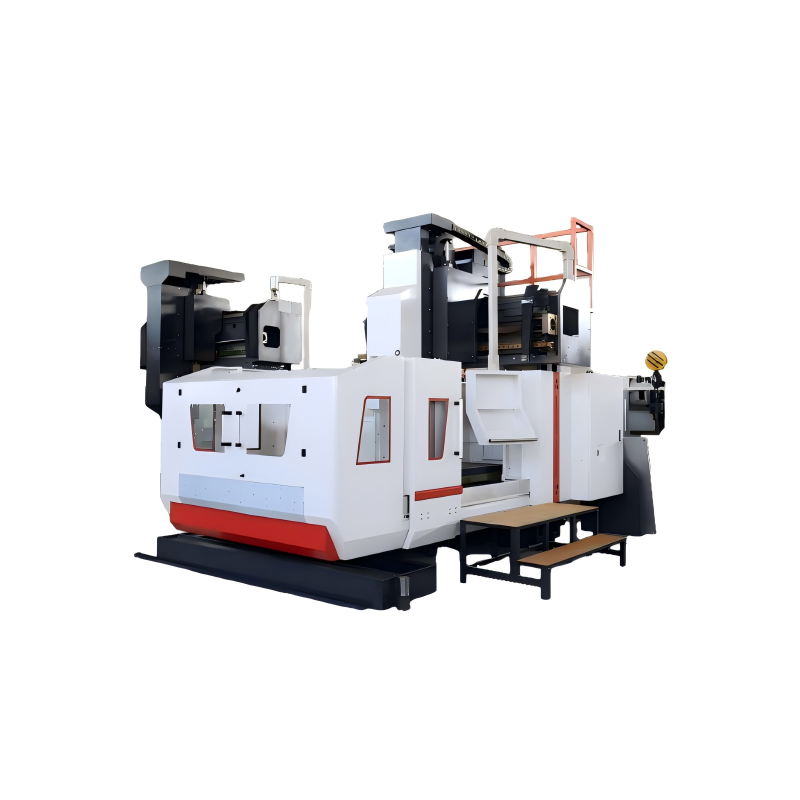
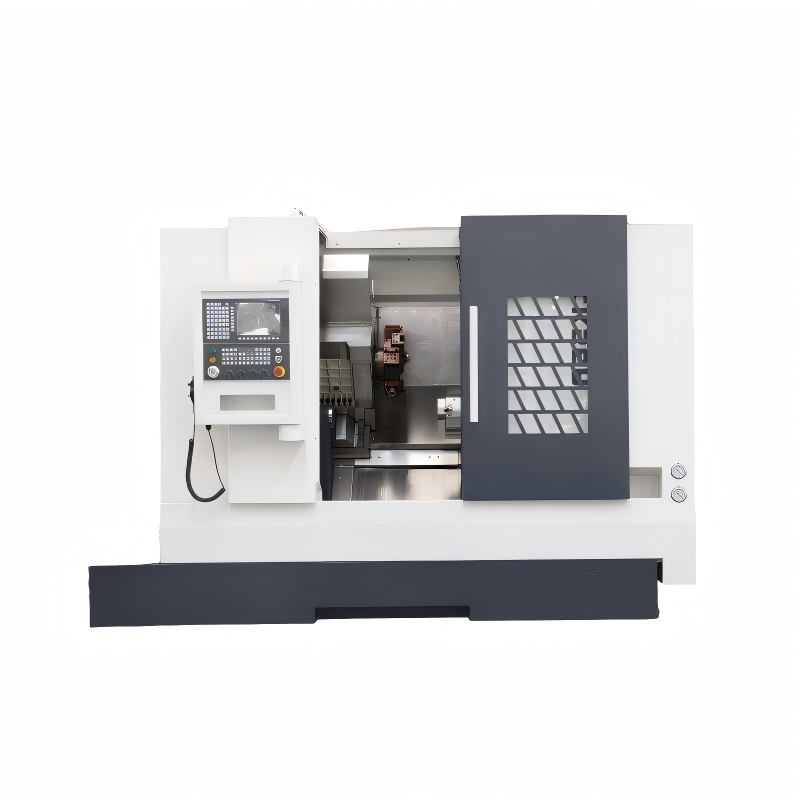
In the realm of modern manufacturing, CNC (Computer Numerical Control) milling machines have emerged as a cornerstone for precision and efficiency. These sophisticated devices rely heavily on software to perform their tasks with accuracy and speed. This report delves into the critical role that software plays in enhancing the performance of contemporary CNC Milling Machines, exploring various aspects from control systems to simulation and optimization.
The journey of CNC milling machine software has been marked by significant advancements. Initially, these machines were controlled using simple G-codes, which provided basic instructions for tool paths. However, with the advent of more powerful computing capabilities, the software used in CNC milling machines has evolved to include advanced features such as real-time monitoring, adaptive control, and predictive maintenance. This evolution has not only improved the precision and speed of operations but also enhanced the overall reliability and longevity of the machines.
Modern CNC milling machine software is designed to be highly customizable, allowing manufacturers to tailor the system to their specific needs. This flexibility is crucial in today's competitive market, where adaptability and quick turnaround times are essential. The integration of artificial intelligence (AI) and machine learning (ML) algorithms has further revolutionized the field, enabling machines to learn from past operations and optimize future processes autonomously.
One of the primary roles of software in CNC milling machines is to ensure high levels of precision and efficiency. Advanced CAM (Computer-Aided Manufacturing) software generates tool paths that are optimized for the specific geometry of the part being machined. This not only reduces the likelihood of errors but also minimizes material waste and machining time. The software can simulate the entire machining process, allowing operators to identify potential issues before they occur and make necessary adjustments.
Real-time monitoring is another key feature of modern CNC milling machine software. By continuously tracking the machine's performance, the software can detect anomalies and alert operators to potential problems. This proactive approach helps in maintaining consistent quality and preventing costly downtime. Additionally, the software can adjust the machining parameters in real-time based on the feedback from sensors, ensuring optimal performance under varying conditions.
Automation is a driving force behind the productivity gains achieved by CNC milling machines. Software plays a pivotal role in automating various aspects of the machining process, from tool changes to part loading and unloading. Automated tool changers, for example, can switch tools quickly and accurately, reducing the time required for setup and increasing the overall throughput of the machine.
Robotic integration is another area where software has made significant contributions. By coordinating the movements of robotic arms with the CNC milling machine, the software enables seamless and efficient handling of parts. This not only speeds up the production process but also reduces the need for manual intervention, leading to lower labor costs and higher consistency in the final product.
The data generated by CNC milling machines is a valuable resource for continuous improvement. Modern software solutions are equipped with data analytics capabilities that allow manufacturers to gather and analyze vast amounts of operational data. This data can provide insights into the machine's performance, identifying trends and patterns that can be used to optimize the machining process.
Predictive maintenance is one of the most promising applications of data-driven insights. By analyzing historical data, the software can predict when a component is likely to fail and schedule maintenance accordingly. This proactive approach not only prevents unexpected breakdowns but also extends the lifespan of the machine. Furthermore, the software can provide recommendations for process improvements, helping manufacturers to achieve higher levels of efficiency and quality.
The role of software in modern CNC milling machine performance cannot be overstated. From enhancing precision and efficiency to enabling automation and providing data-driven insights, software is a key enabler of the advanced capabilities of these machines. As technology continues to advance, the integration of AI and ML will further elevate the performance of CNC milling machines, making them even more indispensable in the manufacturing landscape.
 28/06/2026
Understanding the Basics of CNC Milling MachinesThe journey to selecting the right CNC (Computer Numerical Control) milling machine for your workshop begins with understanding what these machines are and how they operate. A CNC milling machine is an autom
Read More27/06/2026The evolution of CNC Milling Machine technology has been a remarkable journey, marked by continuous innovation and adaptation to the ever-changing demands of manufacturing. From its early beginnings to the sophisticated systems of today, CNC milling machi
Read More26/06/2026The advent of CNC (Computer Numerical Control) milling machines has revolutionized the manufacturing industry, enabling higher precision and efficiency in engineering projects. This report delves into advanced techniques employed with CNC milling machines
Read MoreOur professional sales team is always ready to assist you.