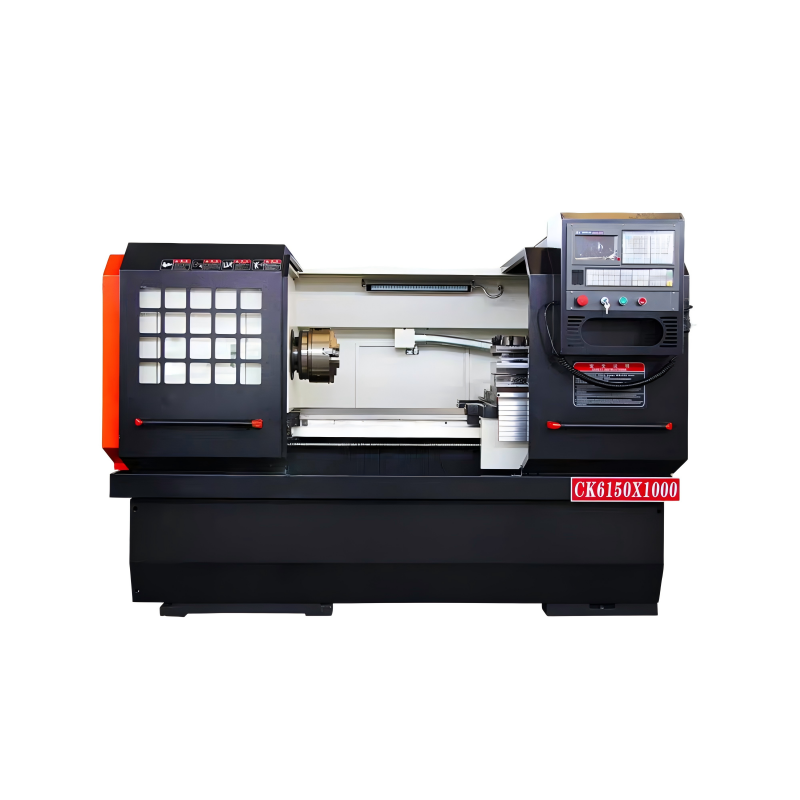
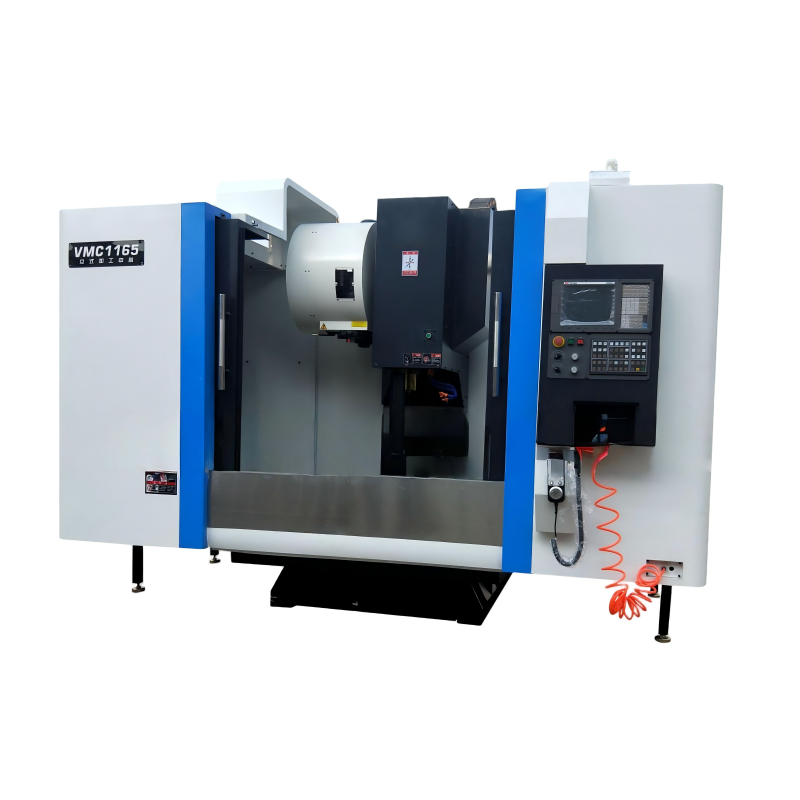
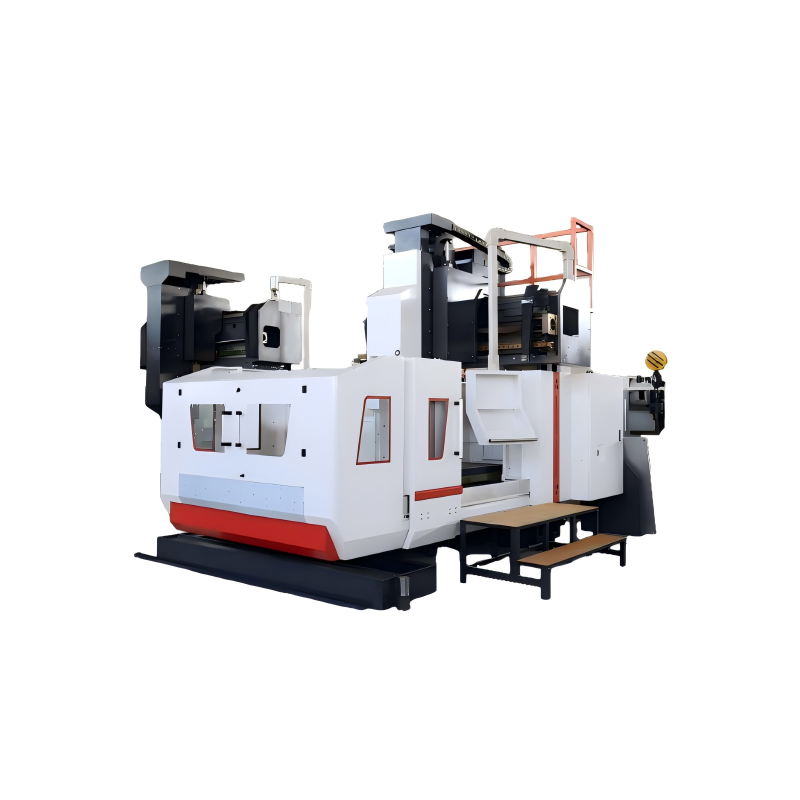
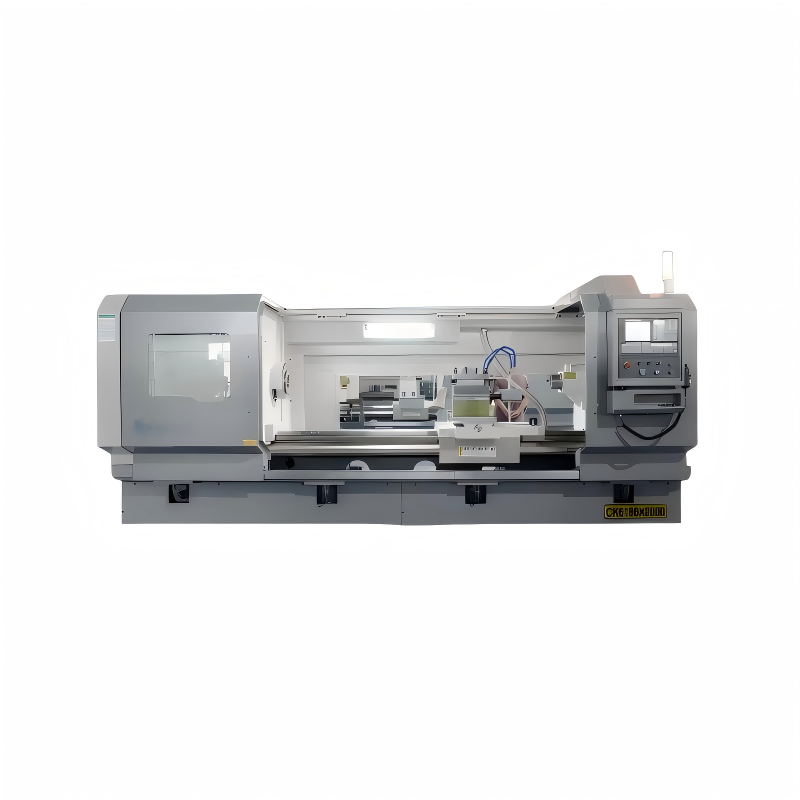
Turn-mill Machining Centers represent a significant advancement in the field of precision engineering. These machines combine the capabilities of turning and milling operations, allowing for the production of complex parts with high accuracy and efficiency. The integration of multiple functions into a single machine not only reduces the need for part transfers but also minimizes the risk of errors, making turn-mill machining centers an essential tool in modern manufacturing environments.
The development of turn-mill machining centers has been driven by the increasing demand for more intricate and precise components across various industries, including aerospace, automotive, and medical devices. Initially, traditional lathes were used for turning operations, while separate milling machines handled the milling tasks. However, this approach was time-consuming and often led to inaccuracies due to the need to reposition the workpiece between different machines. The introduction of turn-mill machining centers addressed these issues by integrating both processes into one machine, significantly improving productivity and part quality.
Over the years, advancements in computer numerical control (CNC) technology have further enhanced the capabilities of turn-mill machining centers. Modern CNC systems provide precise control over the cutting tools, enabling the creation of highly complex geometries that would be difficult or impossible to achieve with conventional methods. Additionally, the use of advanced software allows for the simulation of the entire machining process, which helps in optimizing tool paths and reducing material waste.
Turn-mill machining centers are equipped with a range of features that make them indispensable in precision engineering. One of the most notable features is the ability to perform both turning and milling operations simultaneously. This is achieved through the use of multiple spindles and turrets, which can be programmed to operate independently or in coordination with each other. The result is a highly efficient and versatile machine capable of producing a wide variety of parts with minimal setup time.
Another key feature of turn-mill machining centers is their ability to handle a diverse range of materials. From soft metals like aluminum to harder materials such as titanium and stainless steel, these machines can process a wide array of materials with ease. The flexibility in material handling, combined with the precision of the cutting tools, ensures that parts produced on turn-mill machining centers meet the highest standards of quality and consistency.
Furthermore, turn-mill machining centers often come with advanced automation features, such as automatic tool changers and robotic loading and unloading systems. These features not only enhance the overall efficiency of the machining process but also reduce the reliance on manual labor, leading to cost savings and improved safety in the workplace.
Turn-mill machining centers find extensive applications in precision engineering, particularly in industries where high-precision and complex parts are required. In the aerospace industry, for example, turn-mill machining centers are used to produce critical components such as turbine blades, engine casings, and landing gear parts. The ability to perform both turning and milling operations in a single setup ensures that these components meet the stringent tolerances and surface finish requirements of the industry.
In the automotive sector, turn-mill machining centers are employed to manufacture engine components, transmission parts, and other high-precision parts. The integration of multiple operations into a single machine reduces the overall production time and improves the consistency of the parts, which is crucial for maintaining the performance and reliability of vehicles.
The medical device industry also benefits significantly from turn-mill machining centers. These machines are used to produce implants, surgical instruments, and other medical devices that require high precision and biocompatibility. The ability to handle a wide range of materials, including titanium and cobalt-chromium alloys, makes turn-mill machining centers ideal for the production of medical components that must withstand harsh conditions and provide long-term durability.
Despite their numerous advantages, turn-mill machining centers also face certain challenges. One of the primary challenges is the initial investment cost, as these machines are typically more expensive than traditional lathes and milling machines. However, the long-term benefits in terms of increased productivity and reduced operational costs often justify the higher upfront expense.
Another challenge is the need for skilled operators who can program and operate these sophisticated machines effectively. Training and retaining skilled personnel is a critical aspect of maximizing the potential of turn-mill machining centers. To address this, many manufacturers offer comprehensive training programs and support services to help customers get the most out of their machines.
Looking ahead, the future of turn-mill machining centers is likely to be shaped by ongoing advancements in technology. For instance, the integration of artificial intelligence (AI) and machine learning (ML) algorithms could further enhance the capabilities of these machines by enabling real-time optimization of machining parameters and predictive maintenance. Additionally, the development of more sustainable and eco-friendly machining processes will continue to be a focus, as the industry strives to reduce its environmental impact.
Turn-mill machining centers play a vital role in precision engineering, offering a combination of high accuracy, efficiency, and versatility. Their ability to perform both turning and milling operations in a single setup makes them an invaluable asset in industries such as aerospace, automotive, and medical devices. While there are challenges associated with the adoption and operation of these machines, the benefits they bring in terms of productivity and part quality make them a worthwhile investment for manufacturers. As technology continues to evolve, turn-mill machining centers are expected to become even more advanced, further solidifying their position as a cornerstone of modern manufacturing.
 25/06/2026
In the realm of modern manufacturing, the turn-mill machining center has emerged as a pivotal technology, offering a range of advantages that significantly enhance production capabilities. This report delves into the multifaceted benefits of integrating a
Read More12/06/2026On June 11, a delegation of clients from Iraq specializing in flange manufacturing visited our CNC machine tool factory. The visit focused on understanding the comprehensive equipment solutions for specialized flange production workshops.
Read MoreOur professional sales team is always ready to assist you.