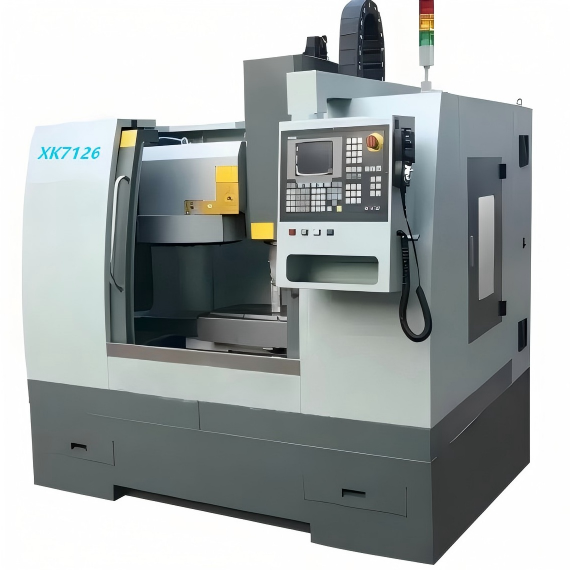
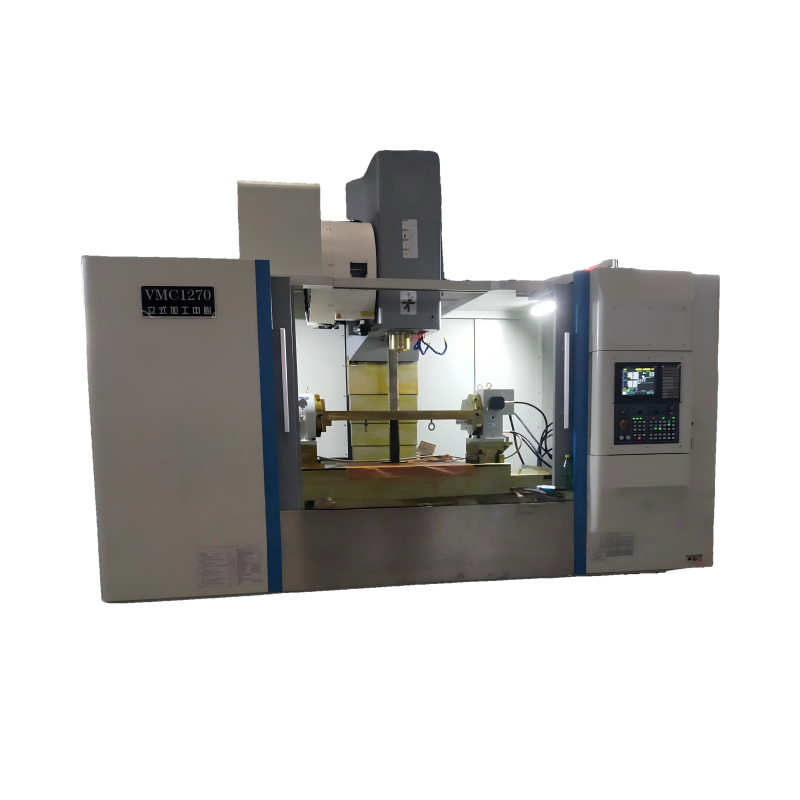
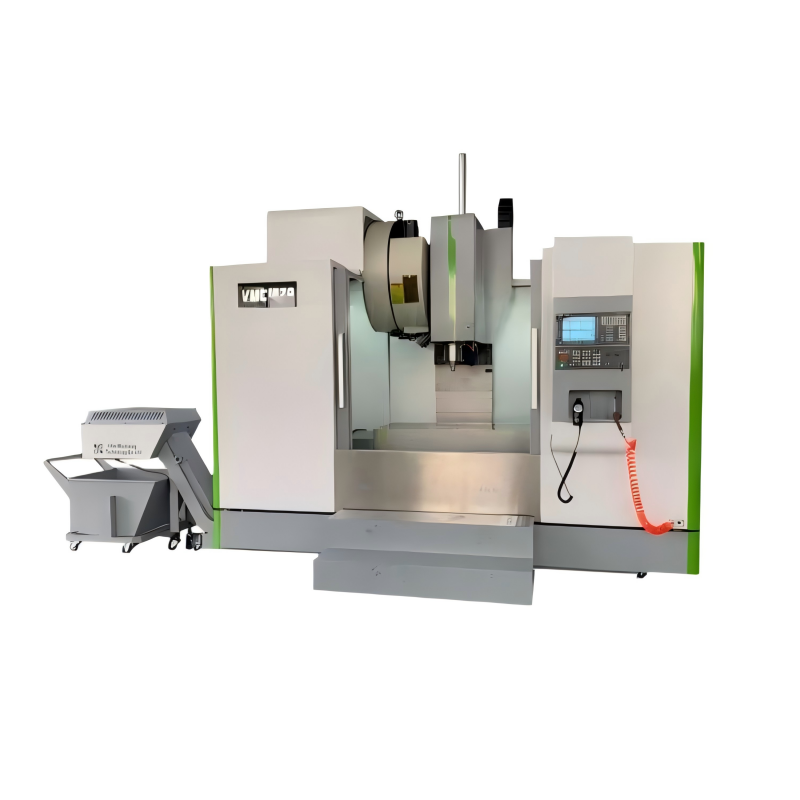
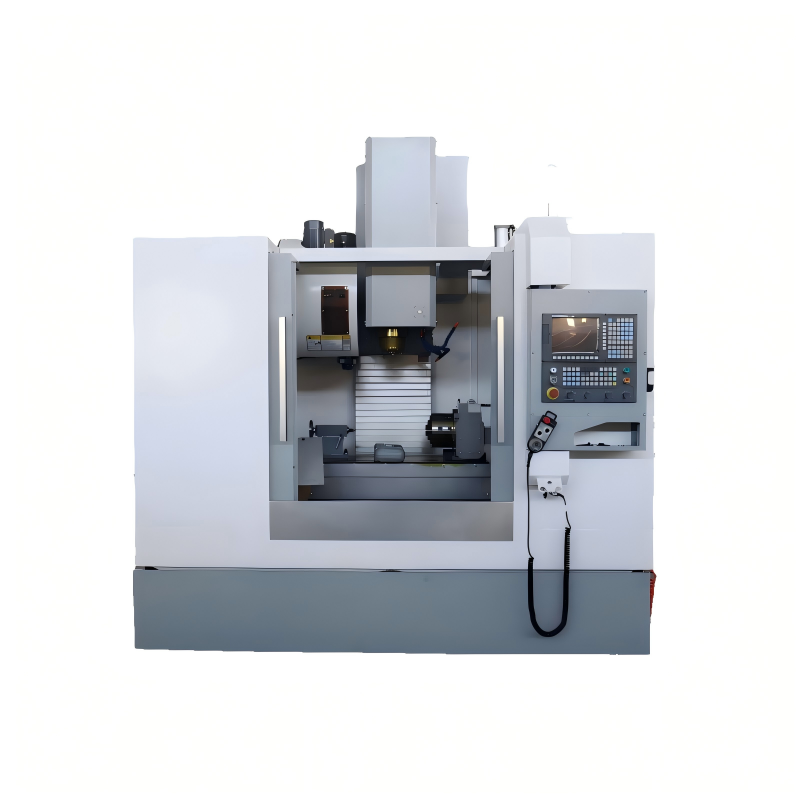
CNC Horizontal Machining Centers (HMCs) have become an indispensable part of precision engineering, offering unparalleled accuracy and efficiency in the manufacturing process. These machines are designed to perform a wide range of operations, from simple drilling and milling to complex contouring and high-precision finishing. In this report, we will explore the critical role that CNC Horizontal Machining Centers play in precision engineering, highlighting their unique capabilities and the benefits they bring to modern manufacturing.
One of the most significant advantages of using a CNC Horizontal Machining Center is the enhanced precision and accuracy it provides. These machines are equipped with advanced control systems and high-resolution encoders that allow for extremely fine control over the cutting tool's position and movement. This level of precision is crucial in industries such as aerospace, automotive, and medical devices, where even the slightest deviation can lead to catastrophic failures or non-compliance with stringent quality standards.
The ability to maintain tight tolerances consistently is a hallmark of HMCs. The horizontal orientation of the spindle allows for better chip evacuation, which reduces the risk of tool damage and ensures a more consistent cut. Additionally, the rigid construction of these machines minimizes vibrations, further enhancing the accuracy of the machining process. This results in parts that meet or exceed the required specifications, reducing the need for rework and improving overall production efficiency.
CNC Horizontal Machining Centers are designed to maximize productivity and efficiency in the manufacturing process. One key feature that contributes to this is the ability to perform multiple operations in a single setup. With a variety of tools available in the automatic tool changer, HMCs can switch between different cutting operations seamlessly, eliminating the need for manual intervention and reducing setup times. This not only speeds up the production process but also minimizes the potential for human error.
Furthermore, the use of pallet changers and workholding systems allows for continuous operation. While one part is being machined, another can be set up on a separate pallet, ready to be loaded into the machine once the current operation is complete. This continuous flow of work significantly increases the throughput of the machine, making it an ideal solution for high-volume production environments.
Additionally, the integration of advanced software and automation technologies, such as computer-aided design (CAD) and computer-aided manufacturing (CAM), enables the optimization of tool paths and machining strategies. This leads to more efficient use of materials and reduced cycle times, further boosting productivity.
Another major advantage of CNC Horizontal Machining Centers is their versatility and flexibility. These machines are capable of handling a wide range of materials, from metals like aluminum, steel, and titanium to non-metals such as composites and plastics. This versatility makes them suitable for a broad spectrum of applications across various industries.
HMCs are equipped with a variety of tools and accessories, including drills, end mills, taps, and reamers, which can be easily changed and configured to suit the specific requirements of each job. This adaptability allows manufacturers to produce a diverse array of parts, from simple components to highly complex and intricate designs. The ability to handle both small and large workpieces, as well as the capability to perform 4-axis and 5-axis machining, further enhances the flexibility of these machines.
Moreover, the modular design of many HMCs allows for easy customization and expansion. Additional features, such as probing systems, coolant systems, and advanced sensors, can be integrated to enhance the machine's capabilities and meet the evolving needs of the manufacturing process. This flexibility ensures that the investment in a CNC Horizontal Machining Center remains valuable and relevant over time.
In conclusion, CNC Horizontal Machining Centers play a pivotal role in precision engineering by providing enhanced precision and accuracy, increased productivity and efficiency, and exceptional versatility and flexibility. These machines are essential for meeting the demanding requirements of modern manufacturing, particularly in industries where high-quality, precise, and reliable parts are critical. As technology continues to advance, the capabilities of HMCs will only continue to grow, ensuring their continued importance in the field of precision engineering.
 25/06/2026
In the realm of advanced manufacturing, the CNC Horizontal Machining Center (HMC) stands out as a critical piece of equipment, enabling precision and efficiency in producing complex parts. This article delves into the recent innovations that have transfor
Read MoreOur professional sales team is always ready to assist you.