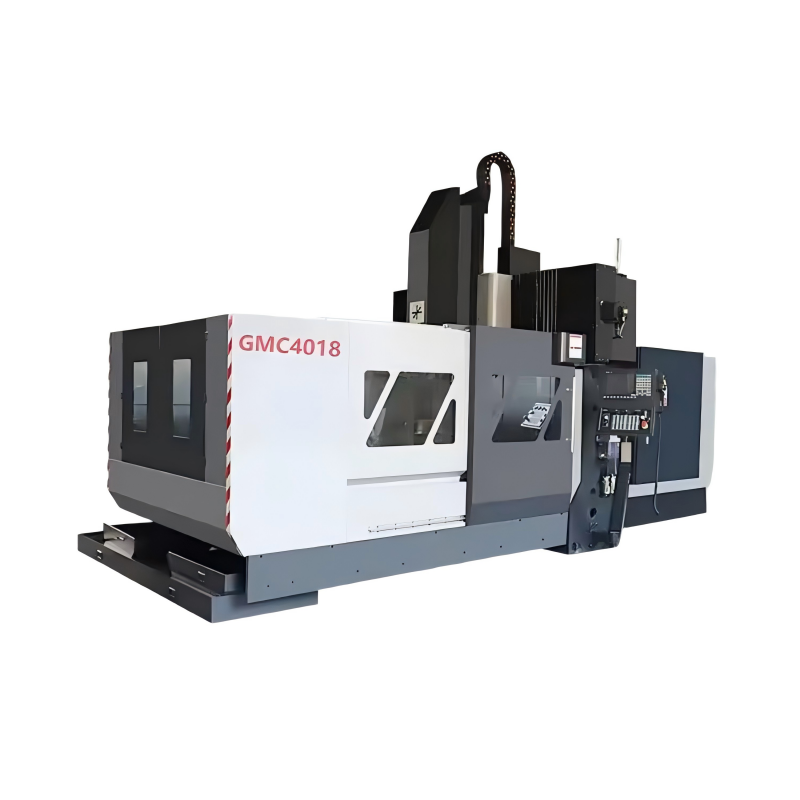
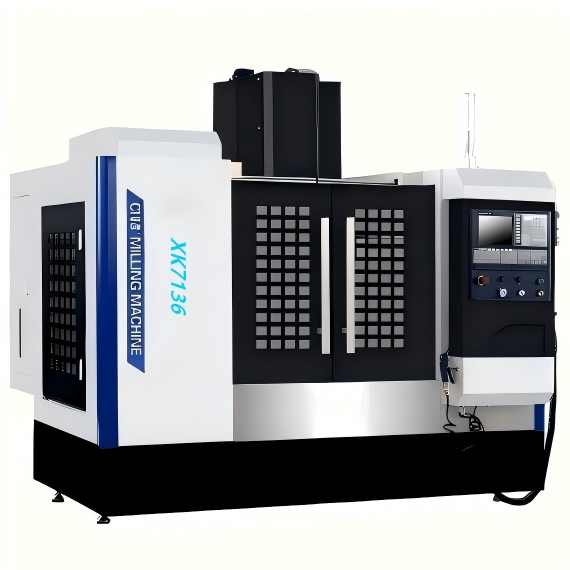
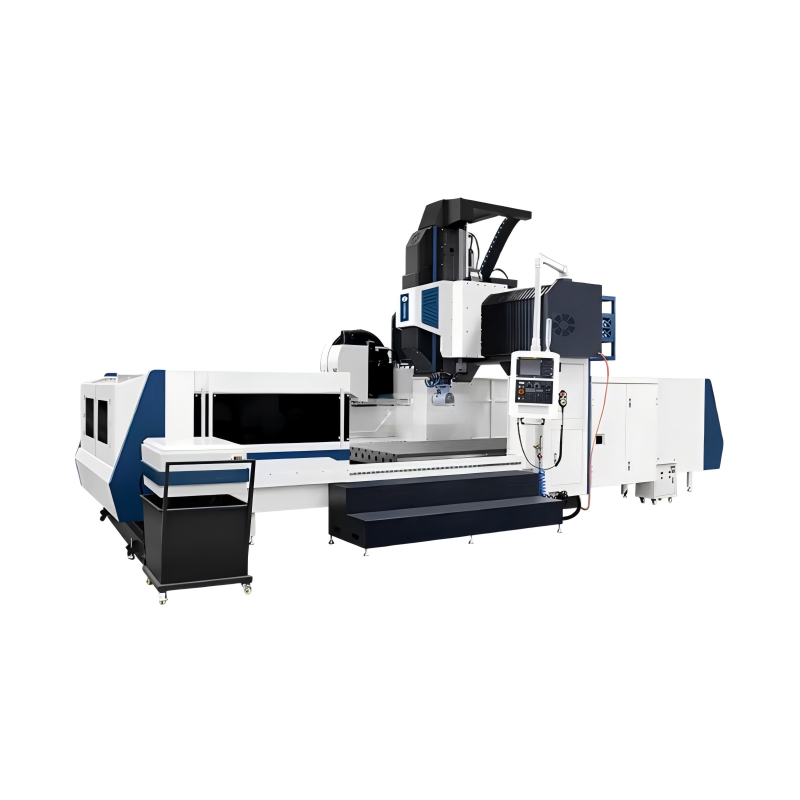
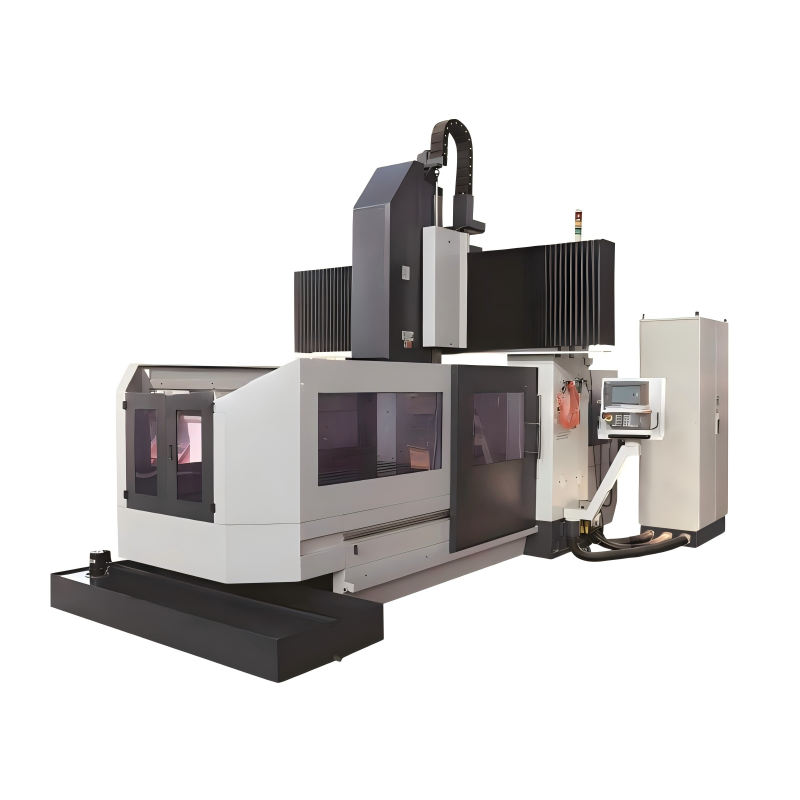
high-speed linear motion control has become an essential component in modern industrial automation, enabling faster and more precise operations across various industries. This technology is not only about moving objects from one point to another but doing so with accuracy, speed, and efficiency that can significantly impact the overall productivity of a manufacturing process. As we delve deeper into how high-speed linear motion affects industrial automation, it's crucial to understand its role in improving production rates, reducing operational costs, and enhancing product quality.
In today’s fast-paced manufacturing environment, the ability to increase production speed without compromising on quality is a key competitive advantage. High-speed linear motion systems, through their capability to deliver rapid and accurate positioning, play a pivotal role in achieving this goal. These systems are designed to move loads along a straight path at speeds that were previously unattainable, thereby significantly reducing cycle times. For instance, in electronics assembly lines, where components need to be placed onto circuit boards with micron-level precision, high-speed linear actuators ensure that each part is positioned correctly and quickly, leading to higher throughput and shorter lead times. The integration of advanced sensors and feedback mechanisms further enhances the system's performance by allowing real-time adjustments, ensuring that even as speeds increase, accuracy remains uncompromised. This blend of speed and precision not only boosts productivity but also opens up new possibilities for automation in areas such as pick-and-place operations, packaging, and material handling, where traditional methods might struggle to keep up with demand.
One of the most compelling arguments for adopting high-speed linear motion control technologies lies in their potential to reduce operational costs over time. By facilitating faster production cycles, these systems help in decreasing the energy consumption per unit produced, which directly translates into lower electricity bills. Moreover, the increased efficiency of automated processes reduces the need for manual intervention, cutting down labor costs while simultaneously minimizing the risk of human error. In addition, the robust design of many high-speed linear motion components ensures long service life, reducing maintenance needs and associated expenses. For example, in automotive manufacturing, where body panels and other large parts must be moved between different stages of assembly, employing high-speed linear guides and drives can dramatically decrease the time spent on each vehicle, thereby lowering the cost per unit. Furthermore, because these systems often come with built-in diagnostic capabilities, predictive maintenance becomes easier, preventing unexpected downtime and further contributing to cost savings. Overall, the initial investment in high-speed linear motion solutions pays off through sustained reductions in operational expenditure, making them a smart choice for businesses aiming to optimize their bottom line.
Product quality is another area where high-speed linear motion control makes a significant difference. In industries like pharmaceuticals or food processing, where contamination risks and regulatory compliance are critical concerns, the precision offered by these systems helps maintain high standards of cleanliness and safety. By enabling smoother, more controlled movements, high-speed linear motion minimizes the likelihood of damage to delicate products during handling. This is particularly important in applications involving fragile materials or those requiring sterile conditions. Additionally, the consistent performance provided by well-engineered linear motion systems ensures that every item produced meets the same stringent specifications, reducing variability and improving overall product consistency. For instance, in the production of semiconductor wafers, where even microscopic defects can render a chip unusable, the use of high-precision, high-speed linear stages guarantees that each wafer is processed under identical conditions, resulting in higher yields and fewer rejects. Beyond just physical manipulation, these technologies also support non-contact inspection and measurement, allowing for continuous monitoring of product quality throughout the manufacturing process. Thus, by integrating high-speed linear motion control, manufacturers can achieve not only faster production but also better, more reliable end products, giving them a competitive edge in the market.
To conclude, the impact of high-speed linear motion on industrial automation is profound, offering benefits that span from enhanced production efficiency and cost reduction to improved product quality. As technology continues to evolve, it's likely that we'll see even more innovative applications of high-speed linear motion control, further transforming the landscape of industrial automation and driving forward the next generation of manufacturing excellence.
 08/06/2026
High-speed linear motion control systems are essential in various industrial applications, from manufacturing to robotics. These systems require precise and rapid movement along a straight path, making them indispensable for tasks that demand high accurac
Read More08/06/2026High-speed linear motion control is a critical field in modern engineering, playing an essential role in various applications ranging from manufacturing to robotics. This report delves into the dynamics of high-speed linear motion control, exploring its p
Read More07/06/2026High-speed linear motion control is a critical aspect of modern automation and robotics, enabling precise and efficient movement across various applications. This report explores the key elements required to achieve smooth operation with high-speed linear
Read More06/06/2026High-speed linear motion control is a critical area of study within the field of automation and robotics, where precision, speed, and efficiency are paramount. This domain involves controlling the movement of machines or components along a straight path a
Read More06/06/2026High-speed linear motion control is a critical aspect of many industrial applications, from manufacturing to robotics. The ability to efficiently and accurately move objects in a straight line at high speeds can significantly impact the productivity and e
Read More05/06/2026In the realm of industrial automation and robotics, high-speed linear motion control has become a critical component for achieving precision, efficiency, and reliability. This technical report explores advanced techniques in high-speed linear motion contr
Read More05/06/2026Understanding the Importance of Feedback in Motion Control SystemsIn the realm of high-speed linear motion control, feedback plays a pivotal role in ensuring that systems operate efficiently and accurately. The concept of feedback involves collecting data
Read More04/06/2026In the rapidly evolving landscape of industrial automation, high-speed linear motion control stands out as a critical technology that is redefining the capabilities and efficiency of modern machinery. This technical report explores how advancements in hig
Read More04/06/2026Linear motion control at high speeds has emerged as a pivotal technology in modern industrial applications, significantly enhancing efficiency and productivity. This report delves into the transformative impact of high-speed linear motion control on vario
Read More04/06/2026High-speed linear motion control is an essential aspect of modern robotics, enabling machines to perform tasks with unprecedented speed and precision. This report explores how advancements in high-speed linear motion have revolutionized the field of robot
Read More04/06/2026In the rapidly evolving landscape of automation, high-speed linear motion control stands out as a critical component for achieving greater efficiency and precision across various industries. This report delves into the future innovations in high-speed lin
Read More04/06/2026High-speed linear motion control represents a significant advancement in the field of automation and manufacturing, offering unprecedented precision, speed, and efficiency. This report delves into how high-speed linear motion is transforming modern manufa
Read More04/06/2026IntroductionThe advancement of industrial automation has significantly propelled the demand for high-speed linear motion control systems, which are pivotal in achieving precise and efficient movement in various applications. These systems play a crucial r
Read More04/06/2026Introduction to High-speed Linear Motion ControlThe field of high-speed linear motion control has seen significant advancements over the past few decades, driven by the increasing demands for precision, speed, and efficiency in various industries. This te
Read MoreOur professional sales team is always ready to assist you.