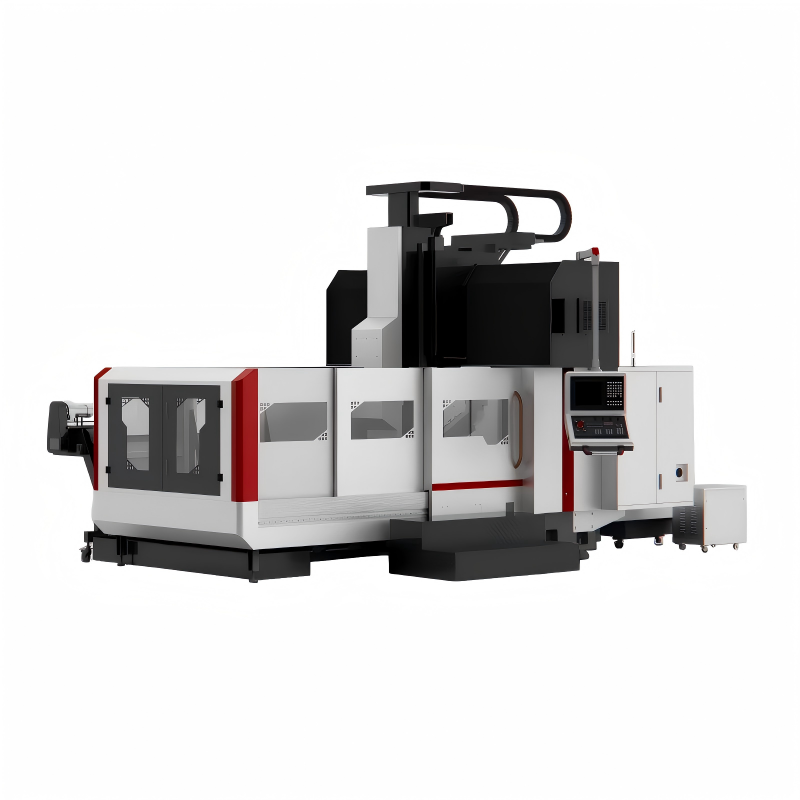
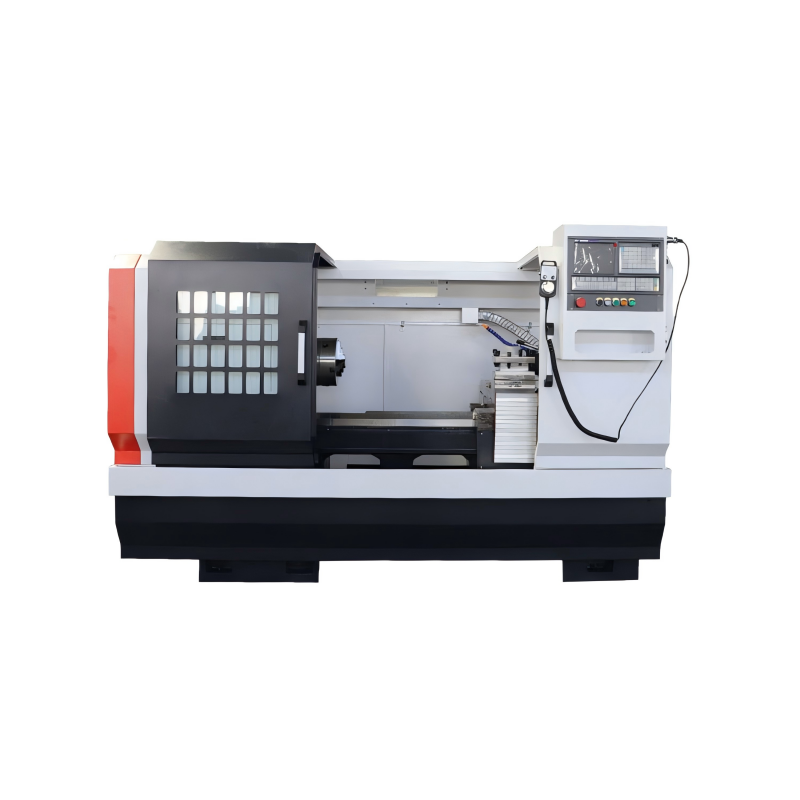
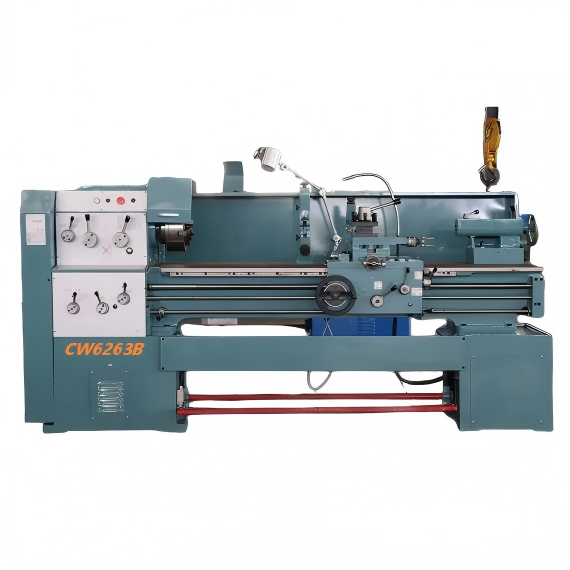
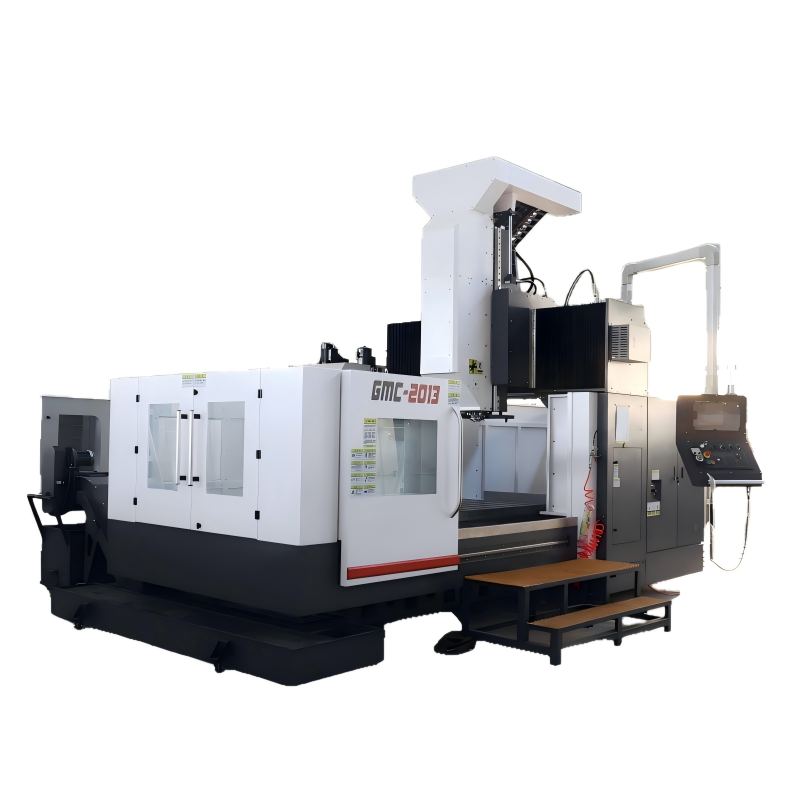
In the realm of modern manufacturing, precision milling machines play a crucial role in producing high-accuracy components. The integration of advanced software into these systems has revolutionized how milling operations are conducted, enhancing not only the precision and efficiency but also the overall productivity of the process. This technical report explores the transformative impact of advanced software on precision milling machine systems, focusing on three key areas: the improvement of operational accuracy, optimization of production workflows, and the facilitation of predictive maintenance. By delving into these aspects, we aim to highlight the indispensable role that sophisticated software solutions play in elevating the capabilities of precision milling operations.
One of the primary ways in which advanced software enhances precision milling operations is through the implementation of sophisticated control algorithms. These algorithms enable the precision milling machine system to make real-time adjustments, ensuring that the cutting tool follows the desired path with minimal deviation. As a result, this leads to improved surface finish and dimensional accuracy of the machined parts.
Modern software platforms provide real-time monitoring capabilities, allowing operators to track the performance of the milling machine during operation. Sensors integrated into the system collect data on various parameters such as spindle speed, feed rate, and tool position. This information is then processed by the software, which provides immediate feedback, enabling quick corrections if any deviations from the set parameters are detected. Such timely interventions help in maintaining consistent quality throughout the production run.
Before actual machining begins, advanced software allows for the simulation of the entire process. This virtual prototyping feature helps in identifying potential issues or inefficiencies in the planned operation. By making necessary adjustments in the digital environment, manufacturers can avoid costly mistakes and ensure that the physical milling process runs smoothly. Furthermore, it aids in optimizing the tool paths, reducing material waste, and improving cycle times.
An essential aspect of efficient milling operations is the management of cutting tools. Advanced software systems offer automated tool management features, which include tracking the usage, wear, and replacement schedules of tools. This automation minimizes downtime associated with manual tool changes and ensures that the precision milling machine system always operates with the optimal tooling setup, thereby enhancing overall productivity.
The ability to integrate scheduling and planning functionalities within the software greatly streamlines the production workflow. By using advanced algorithms, the software can optimize job sequences, allocate resources efficiently, and predict completion times. This not only reduces lead times but also allows for better coordination between different stages of the manufacturing process, leading to a more cohesive and agile production environment.
By collecting and analyzing vast amounts of operational data, advanced software empowers decision-makers with valuable insights. These insights can be used to identify bottlenecks, assess the performance of individual machines, and implement continuous improvement initiatives. Data-driven decision making ensures that the precision milling machine system operates at its peak efficiency, while also facilitating strategic planning for future expansions or upgrades.
Predictive maintenance is a critical component of maintaining the reliability and longevity of a precision milling machine system. Advanced software incorporates condition-based monitoring (CBM) techniques, which involve continuously monitoring the health of the machine and its components. CBM uses sensors to detect anomalies in temperature, vibration, and other critical parameters, allowing for early detection of potential failures. This proactive approach helps in preventing unexpected breakdowns and extends the lifespan of the equipment.
Beyond simple monitoring, advanced software utilizes predictive analytics to forecast when maintenance activities should be performed. By analyzing historical and real-time data, the software can predict the remaining useful life of components and schedule maintenance tasks accordingly. This not only reduces unplanned downtime but also optimizes the use of maintenance resources, ensuring that the precision milling machine system remains in optimal working condition.
Another significant advantage of advanced software is the capability for remote diagnostics and support. When an issue is detected, technicians can remotely access the system to diagnose the problem and provide guidance on the necessary corrective actions. This feature is particularly beneficial for facilities with limited on-site expertise or those located in remote areas. Remote support minimizes the time required to resolve issues, thereby keeping the precision milling machine system operational and minimizing disruptions to the production schedule.
 04/06/2026
In the realm of manufacturing, precision is not just a preference but a necessity. A precision milling machine system stands at the heart of this requirement, offering solutions that are both accurate and efficient for a wide range of applications. This g
Read More04/06/2026In today's rapidly evolving manufacturing landscape, the integration of advanced technologies into precision milling machine systems has become a critical factor for enhancing operational efficiency and product quality. This technical report explores how
Read More04/06/2026In today's fast-paced manufacturing environment, the integration of a precision milling machine system can significantly enhance the efficiency and output quality of production lines. This technical report explores how such a system not only improves the
Read More04/06/2026In the rapidly evolving landscape of modern manufacturing, precision milling machine systems have emerged as a cornerstone technology, offering unparalleled accuracy and efficiency. This report delves into the advantages that precision milling brings to t
Read More04/06/2026In the realm of modern manufacturing, precision milling machine systems play a crucial role in producing high-accuracy components. The integration of advanced software into these systems has revolutionized the way parts are designed, manufactured, and ins
Read MoreOur professional sales team is always ready to assist you.