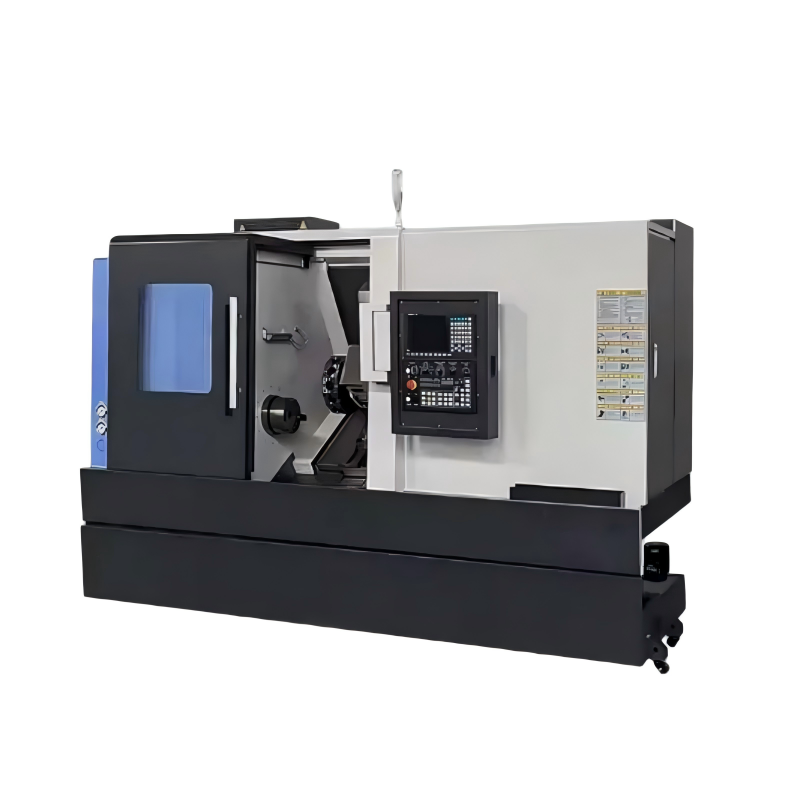
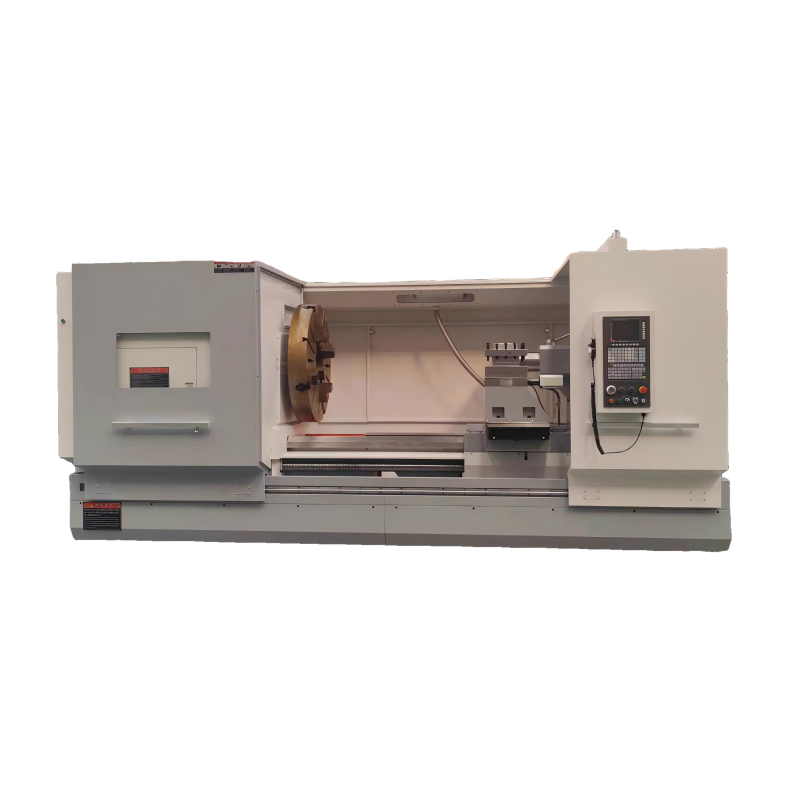
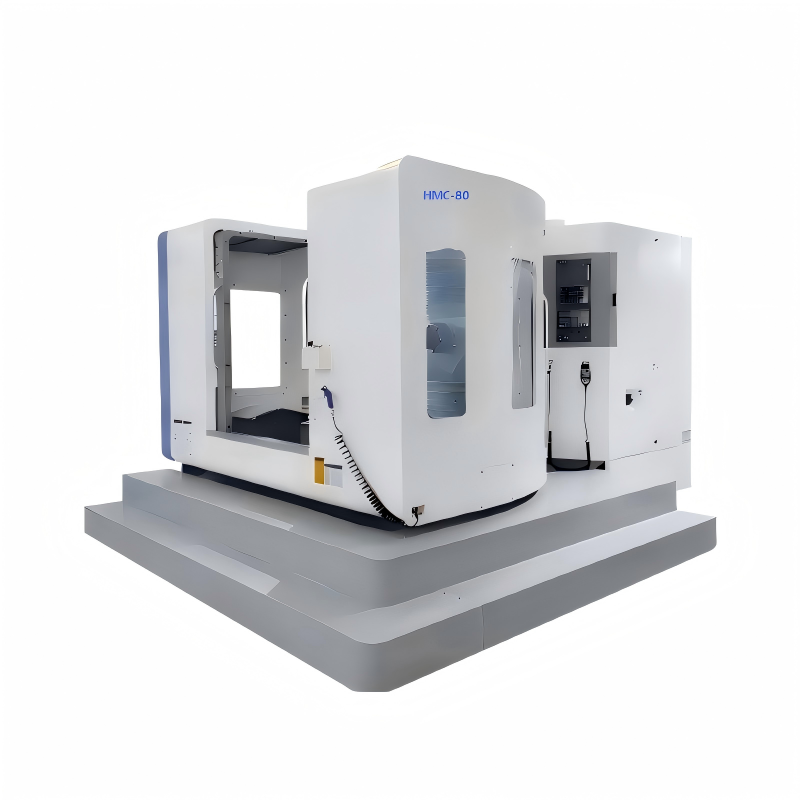
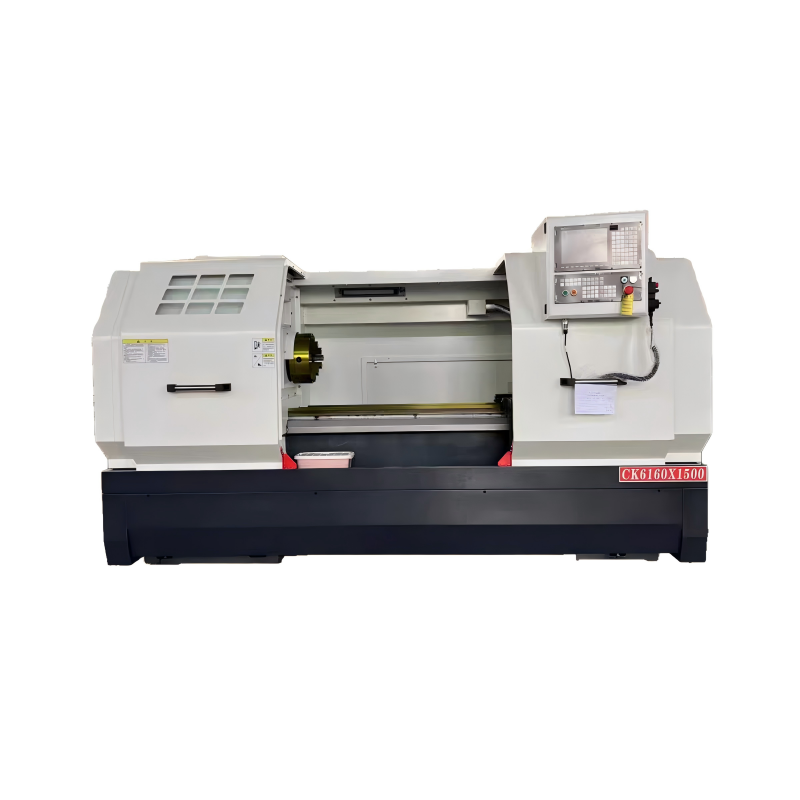
In the realm of manufacturing and material processing, the reduction of waste is not only a cost-effective measure but also an essential step towards sustainable practices. automated vertical cutting devices (AVCDs) have emerged as a critical tool in achieving this goal, offering precision, efficiency, and consistency that traditional manual methods often lack. This report delves into the role of AVCDs in minimizing material waste, exploring how these advanced machines contribute to resource optimization, operational efficiency, and environmental sustainability. By examining the technical aspects, practical applications, and broader impacts of AVCDs, we aim to provide a comprehensive understanding of their importance in modern industrial settings.
Automated vertical cutting devices are designed with high-precision cutting mechanisms, ensuring that materials are cut with minimal deviation from the intended dimensions. This level of accuracy reduces the margin for error, leading to a more consistent and uniform product. The use of advanced sensors and computer-aided design (CAD) software allows for precise control over the cutting process, which is crucial in industries where even small inaccuracies can result in significant waste.
One of the key benefits of using automated vertical cutting devices is the ability to optimize the use of raw materials. These machines can be programmed to make the most efficient use of the available space on a sheet or roll of material, reducing the amount of scrap generated. By nesting parts and optimizing the cutting path, AVCDs can significantly reduce material waste, leading to cost savings and a more sustainable production process.
Manual cutting processes are inherently prone to human error, which can lead to misaligned cuts and wasted material. Automated vertical cutting devices eliminate this risk by performing the cutting operation with mechanical precision. The automation of the cutting process ensures that each cut is made exactly as specified, reducing the likelihood of mistakes and the associated waste. This not only improves the quality of the final product but also enhances the overall efficiency of the production line.
Automated vertical cutting devices are capable of operating at much higher speeds than manual cutting methods. This increased speed translates into a higher throughput, allowing manufacturers to meet production demands more efficiently. The faster cutting process also means that less time is spent on each individual cut, reducing the overall production time and enabling companies to take on more orders without compromising on quality.
By automating the cutting process, AVCDs reduce the need for manual labor, leading to lower labor costs. Operators can manage multiple machines simultaneously, further increasing productivity while keeping labor expenses in check. Additionally, the reduced physical strain on workers contributes to a safer and more comfortable work environment, potentially lowering the risk of workplace injuries and associated costs.
Automated vertical cutting devices ensure that every cut is made with the same level of precision and consistency. This reliability is crucial in maintaining high-quality standards, as it eliminates the variability that can occur with manual cutting. Consistent quality not only enhances the reputation of the manufacturer but also reduces the need for rework and the associated costs. The predictability of the cutting process also allows for better planning and inventory management, further contributing to operational efficiency.
One of the most significant environmental benefits of using automated vertical cutting devices is the reduction in material waste. By optimizing the cutting process and maximizing material utilization, AVCDs help to minimize the amount of scrap generated. This not only reduces the environmental impact of the manufacturing process but also aligns with global efforts to promote sustainable practices and reduce carbon footprints.
Many industries are subject to strict environmental regulations, and the use of automated vertical cutting devices can help manufacturers comply with these requirements. By reducing waste and improving the efficiency of the cutting process, AVCDs can help companies meet or exceed regulatory standards. This not only avoids potential fines and penalties but also positions the company as a responsible and environmentally conscious entity.
Automated vertical cutting devices are designed to be energy-efficient, consuming less power compared to traditional cutting methods. This energy efficiency not only reduces the operational costs but also contributes to a smaller environmental footprint. Additionally, the optimized use of raw materials and the reduction in waste generation support a more sustainable approach to resource management, ensuring that the manufacturing process is both economically viable and environmentally responsible.
 08/06/2026
In the rapidly evolving landscape of manufacturing and industrial processes, the integration of automation has become a cornerstone for enhancing efficiency, precision, and safety. One such innovation that is making significant waves in various industries
Read More08/06/2026In an era where space optimization and cost reduction are paramount, automated vertical cutting devices (AVCDs) have emerged as a game-changer in various industries. These advanced machines not only streamline the cutting process but also significantly en
Read More07/06/2026In the rapidly evolving landscape of manufacturing and production, the introduction of automated vertical cutting devices has revolutionized traditional processes. These advanced machines not only enhance precision and speed but also significantly reduce
Read More07/06/2026In the realm of manufacturing and material processing, the advent of automated vertical cutting devices has revolutionized the way industries handle cutting tasks. These advanced machines are designed to provide precision, efficiency, and safety in a vari
Read More06/06/2026In today's fast-paced manufacturing and processing industries, the selection of an automated vertical cutting device is a critical decision that can significantly impact productivity, cost-efficiency, and overall business performance. This comprehensive g
Read More05/06/2026In the ever-evolving landscape of manufacturing and material processing, the introduction of the latest automated vertical cutting device technologies has been a game-changer. These advanced systems not only enhance productivity but also improve precision
Read More05/06/2026In the realm of manufacturing and material processing, precision is paramount. The advent of an automated vertical cutting device has significantly enhanced the capabilities of industries that rely on accurate and efficient cutting operations. This techni
Read More04/06/2026In today's fast-paced manufacturing environment, improving workshop efficiency is not just a goal but a necessity. One key tool that has proven to enhance productivity and accuracy in various industrial settings is the automated vertical cutting device. T
Read More04/06/2026In the realm of modern manufacturing, precision and efficiency are paramount. An automated vertical cutting device has emerged as a game-changer, offering significant advantages over traditional methods. This report delves into the benefits of incorporati
Read MoreOur professional sales team is always ready to assist you.