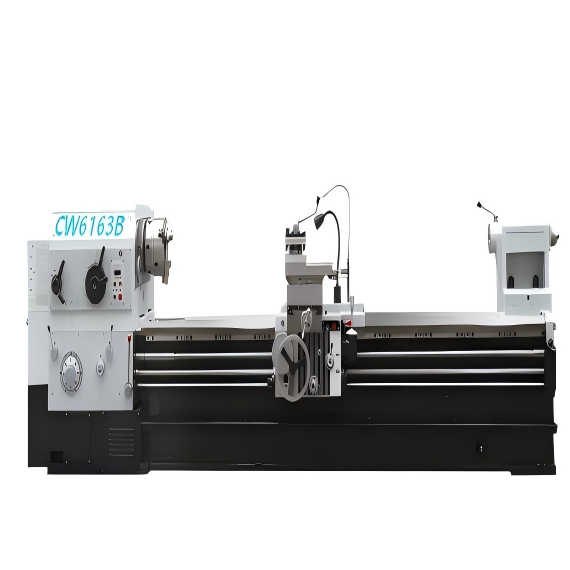
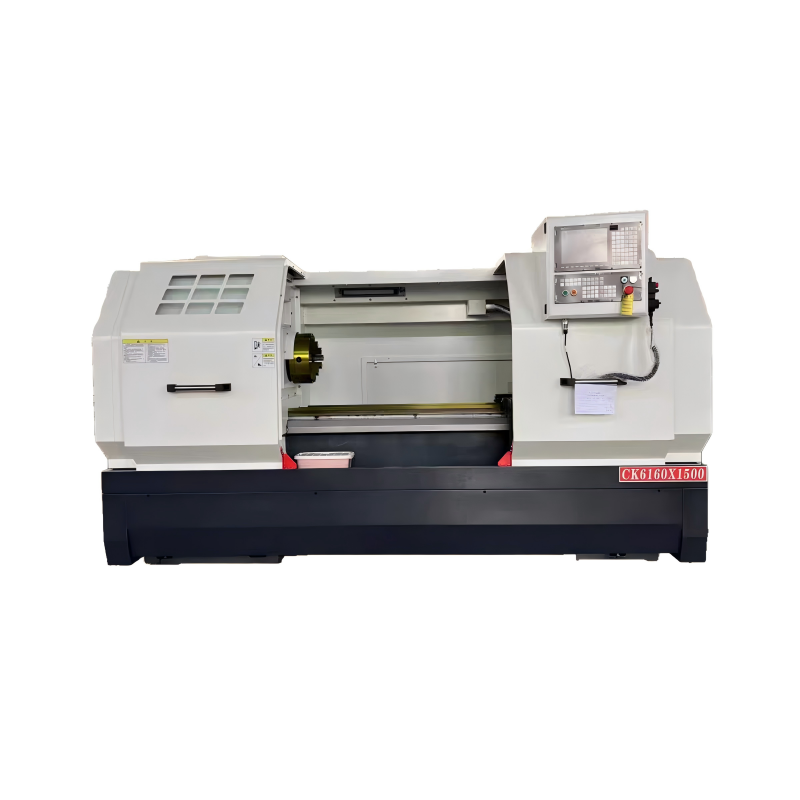
Conventional lathes, such as the 630mm swing conventional lathe, remain a cornerstone in machining processes for their versatility and precision. Ensuring these machines operate at peak efficiency is critical not only for maintaining productivity but also for extending the lifespan of the equipment. This document provides an in-depth look into several key maintenance strategies that can help keep your 630mm swing conventional lathe in top condition, thereby reducing downtime and repair costs.
Regular Inspection and Cleaning
The foundation of any effective maintenance plan is regular inspection and cleaning. For a 630mm swing conventional lathe, this means setting a routine schedule to check for signs of wear or damage. Start by inspecting the machine's bed, ways, and headstock, looking for any irregularities like scratches, dents, or excessive wear. Additionally, ensure all moving parts are free from debris, chips, and excess lubricant, which can lead to operational issues if left unattended. A clean machine operates more efficiently and reduces the risk of premature component failure.
To maintain cleanliness, use appropriate solvents to remove dirt and grease, followed by a thorough drying to prevent rust formation. It’s also advisable to cover the lathe when it’s not in use, especially in environments with high humidity or dust levels. Regular cleaning extends beyond just the exterior; pay attention to internal components, including gears and bearings, as they too require periodic cleaning and lubrication.
Lubrication: The Lifeline of Your Lathe
Adequate lubrication is crucial for the smooth operation of a 630mm swing conventional lathe. Lubricants reduce friction between moving parts, preventing wear and tear while ensuring the machine runs smoothly. It’s important to use the correct type of lubricant recommended by the manufacturer, as using the wrong one can lead to poor performance or even damage the machinery. Regularly check oil levels and change them according to the manufacturer’s guidelines. Over time, lubricants can degrade due to contamination or exposure to air, so replacing them is essential to maintain optimal performance.
In addition to changing the lubricant, it’s equally important to check the condition of the lubrication system itself. Inspect pipes, nozzles, and filters for blockages or leaks, and replace worn-out parts. By keeping the lubrication system in good working order, you ensure that all parts of the lathe receive the necessary amount of lubricant, thus extending the life of the machine and minimizing the need for costly repairs.
Calibration and Adjustment for Precision
Maintaining the accuracy of a 630mm swing conventional lathe is paramount for producing high-quality work. Calibration involves checking and adjusting the machine to ensure it meets the required specifications. Key areas to focus on include the alignment of the spindle, the parallelism of the ways, and the perpendicularity of the cross slide. These adjustments should be carried out regularly, especially after any major repairs or when the machine has been moved.
Tools such as dial indicators and test bars are invaluable for performing these checks. Dial indicators can help you measure small deviations in alignment, while test bars are useful for assessing the straightness and concentricity of the spindle. If any discrepancies are found, make the necessary adjustments to bring the machine back within tolerance. Proper calibration ensures that the lathe produces consistent and accurate results, which is essential for maintaining quality control in manufacturing processes.
Proper Tooling and Workholding Techniques
The tools and workholding devices used on a 630mm swing conventional lathe play a significant role in its overall performance. Using the right tool for the job and ensuring it is properly sharpened and maintained can significantly improve the quality of the work and extend the life of the lathe. Regularly inspect cutting tools for signs of wear, such as chipped edges or dull points, and replace or resharpen them as needed. Sharp tools not only produce better results but also reduce the load on the lathe, leading to less wear on the machine.
Equally important is the proper use of workholding devices. Ensure that the chuck, collet, or other holding mechanisms are securely fastened and in good condition. Loose or damaged workholding devices can lead to vibration, which can affect the quality of the work and cause undue stress on the lathe. Regularly inspect and maintain these devices to ensure they are functioning correctly. Proper workholding techniques not only enhance the precision of the work but also contribute to the safety of the operator and the longevity of the machine.
Training and Documentation
One often overlooked aspect of maintaining a 630mm swing conventional lathe is the importance of training and documentation. Operators who are well-trained and familiar with the machine’s capabilities and limitations are more likely to use it correctly and identify potential issues early. Training should cover not only the basic operation of the lathe but also best practices for maintenance, troubleshooting, and safety. Regular refresher courses can help operators stay up-to-date with the latest techniques and procedures.
Documentation, such as maintenance logs, is also crucial. Keeping detailed records of inspections, lubrication, and repairs can help track the history of the machine and identify patterns or recurring issues. This information can be invaluable for planning future maintenance activities and making informed decisions about the lathe’s upkeep. Additionally, having a comprehensive manual and set of instructions readily available can assist operators and maintenance personnel in performing their tasks more effectively.
By following these maintenance tips, you can ensure that your 630mm swing conventional lathe remains a reliable and efficient tool in your workshop. Regular inspection, proper lubrication, accurate calibration, the use of appropriate tooling, and ongoing training and documentation are all key elements in maintaining the health and performance of your lathe. With diligent care and attention, your 630mm swing conventional lathe will continue to serve you well for years to come.
 28/06/2026



