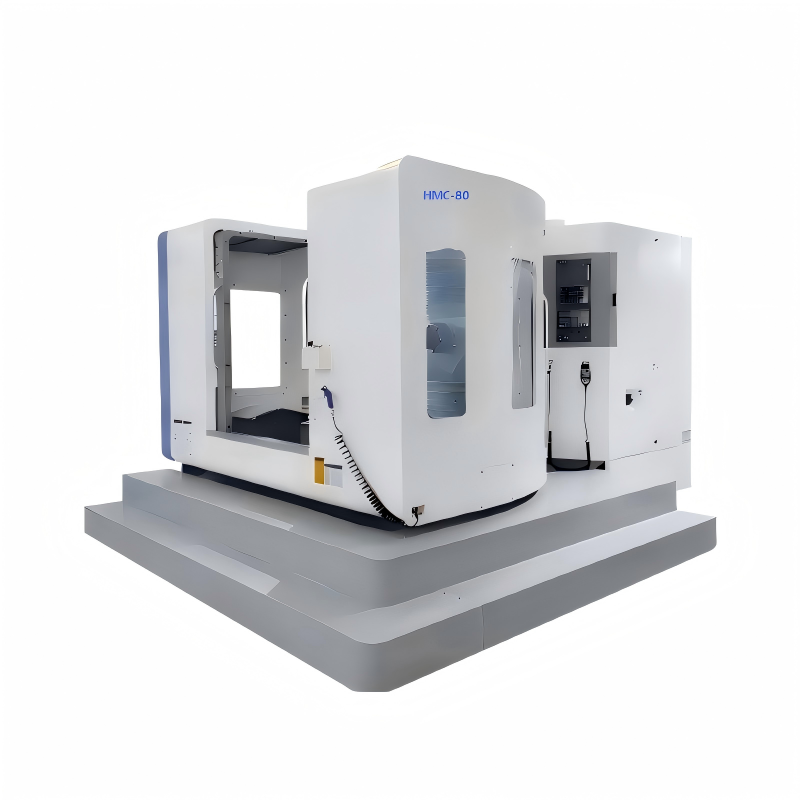
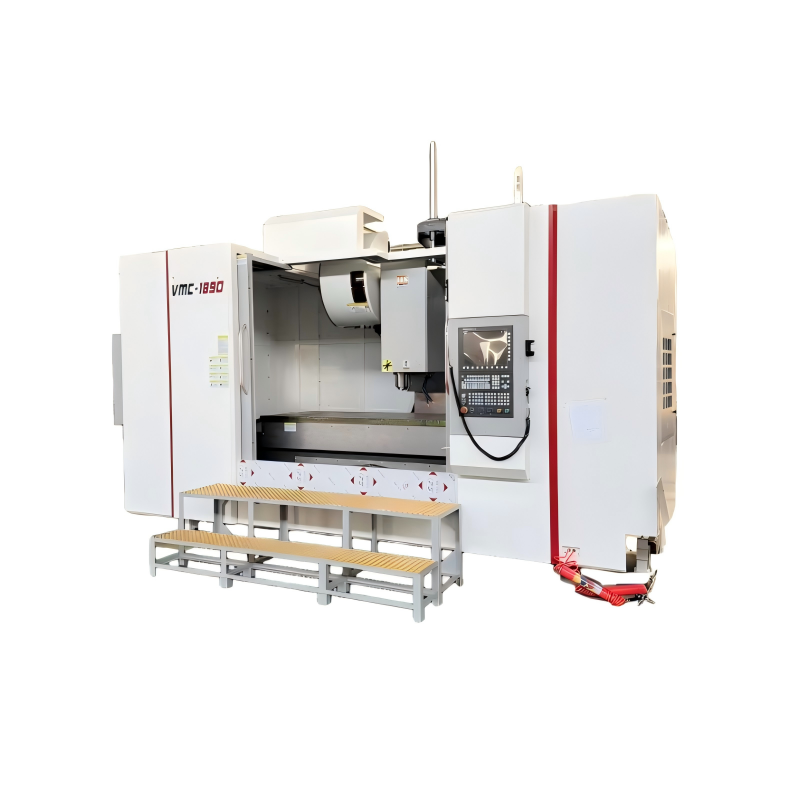
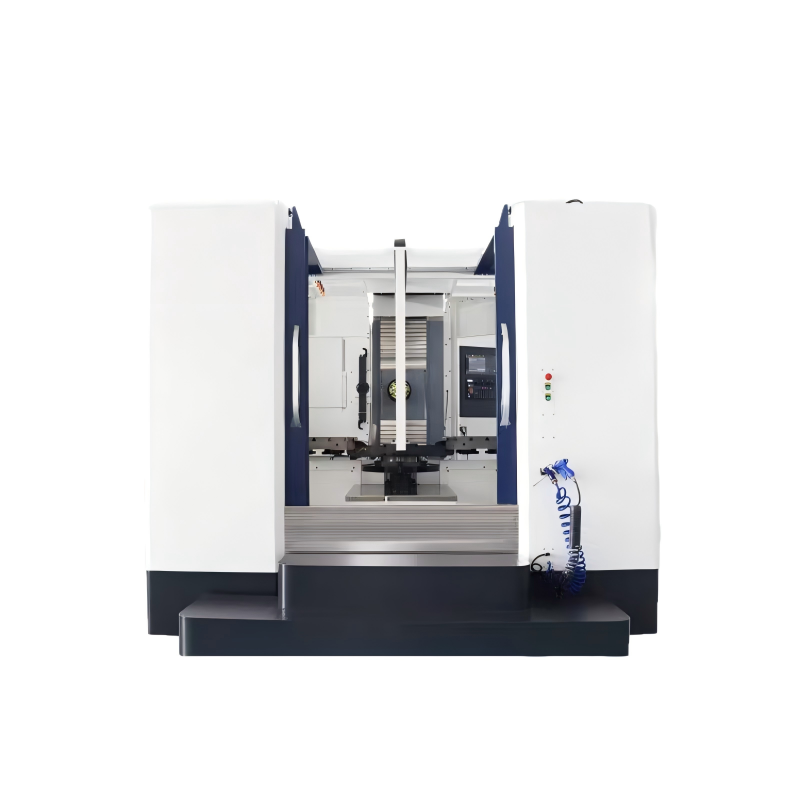
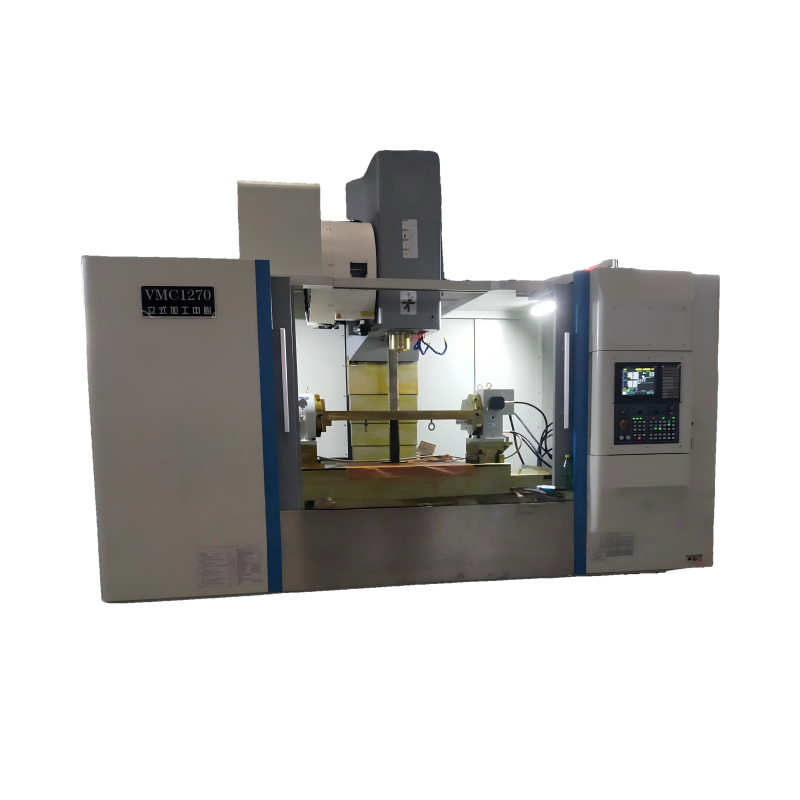
A 3 axis CNC (Computer Numerical Control) machining center is a type of machine tool that automates the process of removing material from a workpiece. It operates on three axes: X, Y, and Z, allowing for precise control over the cutting tool's movement. This capability makes 3 axis CNC Machining Centers highly versatile and efficient in producing complex parts with high accuracy. These machines are widely used across various industries, including automotive, aerospace, and medical, due to their ability to handle a wide range of materials and produce components with tight tolerances.
The core of a 3 axis CNC machining center includes several key components: the spindle, which holds and rotates the cutting tool; the table, where the workpiece is mounted; and the control system, which manages the machine’s movements based on programmed instructions. The operational principle revolves around the use of G-code, a programming language that dictates the path and speed of the cutting tool. By manipulating the X, Y, and Z axes, the machine can perform operations such as milling, drilling, and tapping, among others. Understanding these components and principles is crucial for optimizing the performance and productivity of a 3 axis CNC machining center.
One of the primary advantages of 3 axis CNC machining centers is their precision and repeatability. These machines can consistently produce parts with very tight tolerances, making them ideal for applications requiring high accuracy. Additionally, 3 axis CNC machining centers offer significant time savings compared to manual machining processes. The automation provided by these machines allows for continuous operation, reducing labor costs and increasing production efficiency. Another advantage is the versatility in handling different materials, from metals like aluminum and steel to plastics and composites. This flexibility enables manufacturers to produce a wide variety of parts, catering to diverse industry needs.
Despite their numerous benefits, 3 axis CNC machining centers also have certain limitations. One of the main challenges is the complexity of setting up and programming the machine. Skilled operators and programmers are required to ensure that the machine performs accurately and efficiently. Additionally, while 3 axis CNC machining centers are highly precise, they may not be suitable for all types of complex geometries. Parts with intricate features or those requiring multiple angles may require more advanced 4 or 5 axis machines. Furthermore, the initial investment in a 3 axis CNC machining center can be substantial, and ongoing maintenance and training costs must also be considered. However, for many applications, the benefits of using a 3 axis CNC machining center outweigh these limitations.
3 axis CNC machining centers find extensive use in various industries. In the automotive sector, they are used to produce engine components, transmission parts, and other critical elements. In aerospace, these machines are essential for manufacturing aircraft parts, such as turbine blades and structural components. The medical industry relies on 3 axis CNC machining centers to create surgical instruments, implants, and other precision devices. Additionally, the electronics and consumer goods industries benefit from the high-precision capabilities of these machines for producing components like circuit boards and enclosures. The versatility and precision of 3 axis CNC machining centers make them indispensable tools in modern manufacturing.
The field of 3 axis CNC machining centers continues to evolve with new technological advancements. One trend is the integration of advanced software and simulation tools, which help in optimizing the machining process and reducing errors. Another trend is the development of more energy-efficient and environmentally friendly machines, aligning with global sustainability goals. Additionally, the use of artificial intelligence and machine learning is becoming more prevalent, enabling predictive maintenance and real-time adjustments to improve machine performance. As technology advances, 3 axis CNC machining centers are expected to become even more efficient, accurate, and user-friendly, further enhancing their role in modern manufacturing.
3 axis CNC machining centers are powerful and versatile tools that play a crucial role in modern manufacturing. Their ability to produce high-precision parts with consistency and efficiency makes them indispensable in various industries. While they come with certain limitations, the benefits of using 3 axis CNC machining centers often outweigh these challenges. As technology continues to advance, these machines are likely to become even more capable, further expanding their applications and improving their performance. For manufacturers looking to enhance their production capabilities, investing in a 3 axis CNC machining center can be a strategic and valuable decision.
 29/06/2026
Understanding the Capabilities of a 3 Axis CNC Machining CenterA 3 axis CNC machining center is a powerful tool for modern manufacturing, offering precision and efficiency in the production process. This type of machine operates along three axes: X (left
Read More28/06/2026In the rapidly evolving world of precision engineering, the 3 axis CNC machining center stands out as a critical tool for achieving high levels of accuracy and efficiency. This report delves into the multifaceted role that 3 axis CNC machining centers pla
Read More27/06/2026Understanding the Basics of 3 Axis CNC Machining CentersA 3 axis CNC machining center is a type of machine that operates on three axes, namely X, Y, and Z. These machines are widely used in various industries for their precision and versatility. The X-axi
Read More26/06/2026Understanding the Capabilities of a 3 Axis CNC Machining CenterA 3 axis CNC machining center is an essential tool in modern manufacturing, capable of producing complex parts with high precision and efficiency. This section aims to provide a comprehensive
Read More25/06/2026In the ever-evolving landscape of modern manufacturing, precision and efficiency are paramount. The 3 axis CNC machining center has emerged as a cornerstone technology, revolutionizing how parts and components are produced. This article delves into the ad
Read MoreOur professional sales team is always ready to assist you.