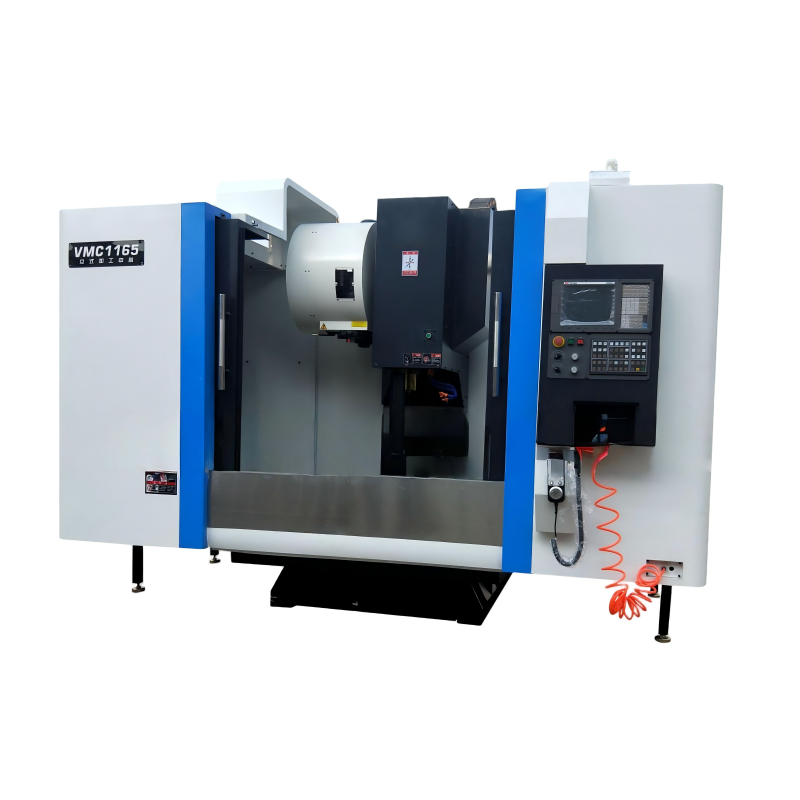
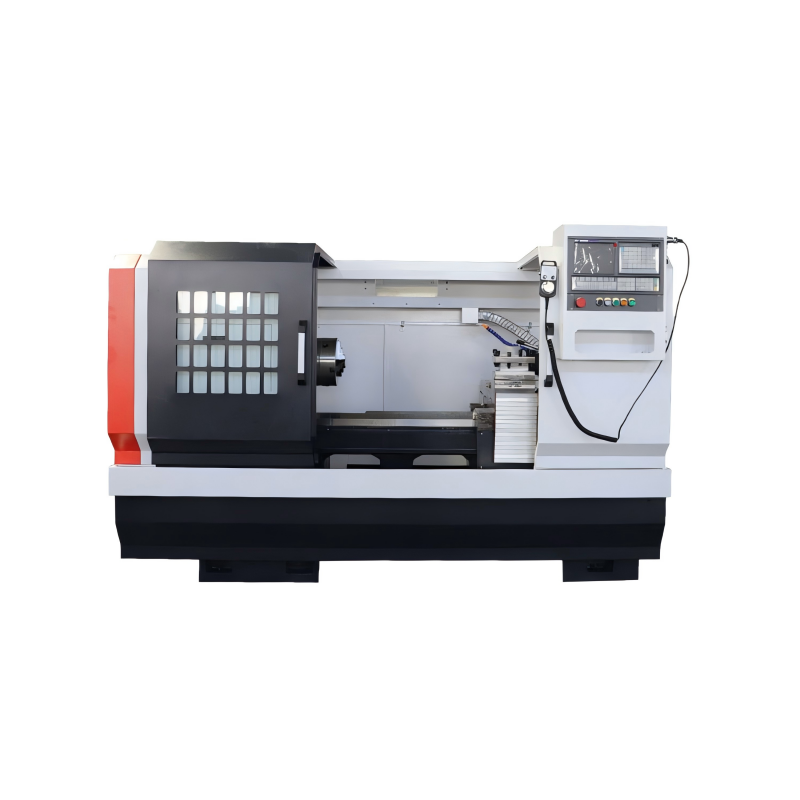
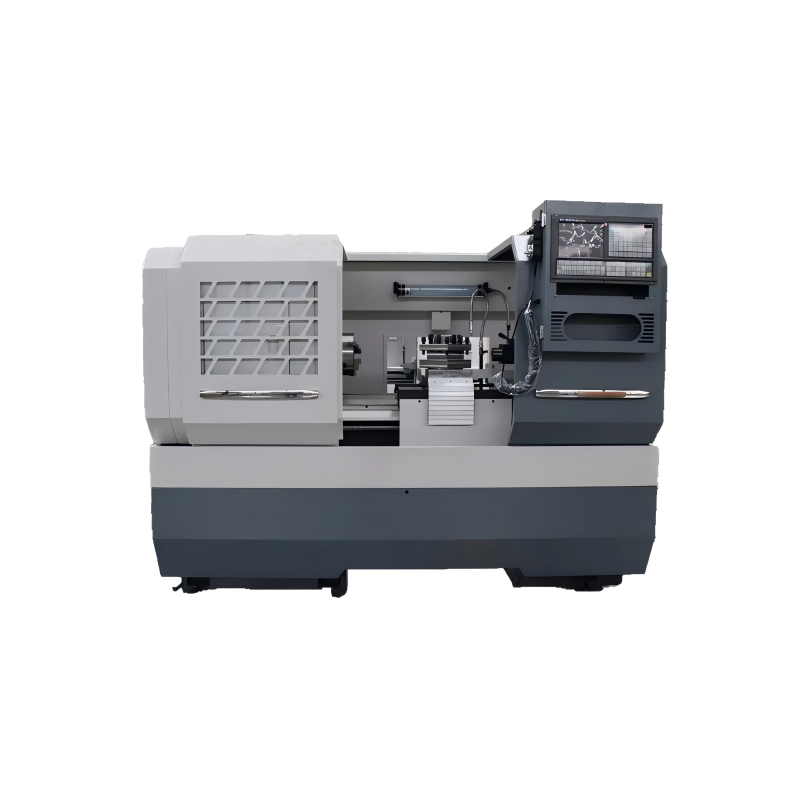
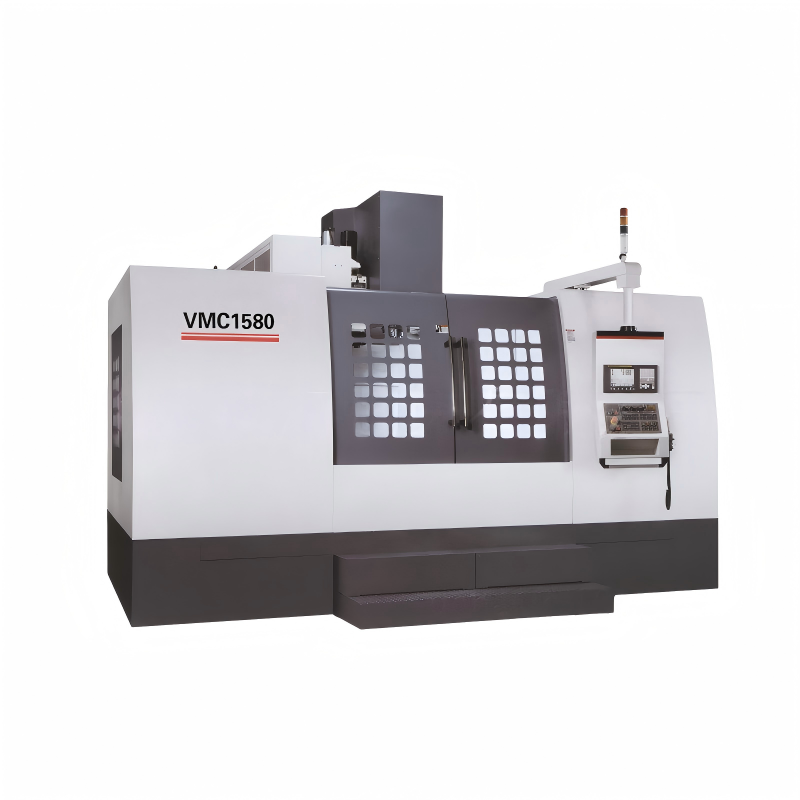
The advent of CNC Machining Center technology has revolutionized manufacturing processes across a wide array of industries, offering unparalleled precision, efficiency, and versatility. This document aims to explore the capabilities of CNC machining centers in diverse industrial applications, highlighting their advantages, operational principles, and the transformative impact they have had on modern production environments.
At its core, a CNC (Computer Numerical Control) machining center is an advanced machine tool that combines multiple functions, such as milling, drilling, and turning, into a single unit. These machines operate based on pre-programmed instructions that are translated into precise movements by the control system. The key components include the spindle, which holds and rotates the cutting tools; the worktable, where the material to be machined is clamped; and the control panel, through which operators input or upload the machining programs. By integrating these elements, a CNC machining center can execute complex operations with high accuracy, minimizing human intervention and reducing errors.
One of the most significant features of a CNC machining center is its ability to perform multi-axis operations. Traditional machining methods often require separate setups for different processes, leading to increased production time and potential inaccuracies due to repeated handling of the workpiece. In contrast, a CNC machining center can complete all necessary operations in one setup, thanks to its multi-axis capability. This not only speeds up the manufacturing process but also ensures greater consistency and quality in the final product.
The automation inherent in CNC machining centers significantly enhances productivity and product quality. Automated systems reduce the need for manual labor, allowing for continuous operation over long periods without fatigue. Moreover, the use of automated tools and fixtures enables the machine to maintain consistent performance, even when dealing with high-volume production runs. As a result, manufacturers can achieve higher throughput rates while maintaining stringent quality standards.
In addition to improving efficiency, CNC machining centers contribute to enhanced product quality through their ability to produce parts with extremely tight tolerances. The precision afforded by these machines means that components can be manufactured to exact specifications, ensuring optimal fit and function. Furthermore, the repeatability of CNC processes guarantees that each part produced is identical, eliminating variations that might occur with manual machining. This level of consistency is particularly valuable in industries where precision and reliability are critical, such as aerospace, medical devices, and automotive manufacturing.
One of the standout characteristics of CNC machining centers is their adaptability and flexibility, making them suitable for a broad range of applications. Whether it's creating intricate components for consumer electronics, fabricating large structural parts for construction, or producing specialized equipment for the energy sector, these machines can handle a variety of materials and geometries. The ability to switch between different tools and operations quickly and easily allows for efficient production of both small batches and mass-produced items.
Another aspect of this adaptability is the ease with which CNC machining centers can be reprogrammed to accommodate new designs or modifications. This feature is especially beneficial in industries characterized by rapid technological advancements and changing customer demands. For example, in the automotive industry, where new models and features are frequently introduced, CNC machining centers enable manufacturers to respond swiftly to market changes without incurring significant costs or delays. Similarly, in the medical field, the ability to produce customized implants and prosthetics using CNC machining centers has opened up new possibilities for personalized healthcare solutions.
To further enhance their capabilities, many modern CNC machining centers incorporate advanced technologies such as artificial intelligence (AI), machine learning, and real-time monitoring systems. AI and machine learning algorithms can optimize tool paths, predict maintenance needs, and detect potential issues before they lead to downtime or defects. Real-time monitoring systems, on the other hand, provide continuous feedback on the machining process, enabling operators to make adjustments on the fly and ensure optimal performance.
These integrated technologies not only improve the overall efficiency and reliability of CNC machining centers but also contribute to cost savings. Predictive maintenance, for instance, helps prevent unexpected breakdowns and extends the lifespan of the machine, reducing repair and replacement costs. Additionally, optimized tool paths and real-time adjustments minimize waste and improve material utilization, leading to lower production costs and a more sustainable manufacturing process.
As we look to the future, it is clear that CNC machining centers will continue to play a pivotal role in shaping the manufacturing landscape. Their combination of precision, efficiency, and flexibility makes them indispensable tools for industries seeking to stay competitive and innovative. With ongoing advancements in technology, we can expect to see even more sophisticated and capable CNC machining centers, driving further improvements in productivity, quality, and sustainability. As such, understanding and leveraging the full potential of these machines is essential for any manufacturer aiming to thrive in today's dynamic and demanding industrial environment.
 23/06/2026
CNC machining centers have revolutionized the manufacturing industry, providing unparalleled precision and efficiency in producing complex parts. Among the various types of CNC machines, Box Way CNC Lathes stand out as a crucial tool for achieving high-pr
Read More22/06/2026While the CNC machining center is a versatile tool capable of handling a wide range of machining tasks, the 2-Axis Flat Bed CNC Lathe stands out for its precision and efficiency in specific applications. This report delves into the features and benefits o
Read More16/06/2026When it comes to sourcing a reliable and efficient big bore CNC lathe, China has emerged as a global hub for manufacturing. The country's extensive network of manufacturers offers a wide range of options, but finding the best one can be a daunting task. T
Read More16/06/2026With the rapid advancement in manufacturing technology, businesses are increasingly turning towards CNC machining center solutions to enhance their production capabilities. Selecting the right CNC machining center is crucial for ensuring efficiency, preci
Read More16/06/2026The advancements in manufacturing technologies, particularly those surrounding the CNC machining center, have been instrumental in revolutionizing how precision milling machine systems operate. These innovations not only enhance efficiency but also contri
Read More06/06/2026Optimizing Energy Consumption in CNC Machining CentersAdoption of Energy-Efficient ComponentsThe heart of any CNC machining center is its components, which significantly influence the overall energy consumption. By integrating high-efficiency motors, such
Read More05/06/2026IntroductionThe CNC (Computer Numerical Control) machining center is a critical piece of equipment in modern manufacturing, offering unparalleled precision and efficiency. However, with a wide range of options available, selecting the right CNC machining
Read More04/06/2026In the ever-evolving landscape of manufacturing, the role of CNC machining centers has become increasingly pivotal. These advanced machines are not only essential for precision and consistency but also for driving productivity in modern factories. This re
Read More03/06/2026Historical Development and Evolution of CNC Machining CentersThe journey of the CNC machining center from its initial concept to today's sophisticated machinery is a testament to human ingquity and technological progress. This section will explore how the
Read More02/06/2026The Evolution and Current State of CNC Machining Centers in Aerospace Since the advent of computer numerical control (CNC) machining centers, their role in the aerospace industry has evolved significantly. These machines have become an indispensable part
Read More01/06/2026Understanding the Importance of Regular Maintenance for CNC Machining Centers CNC machining centers are the backbone of many manufacturing processes, providing high precision and efficiency. However, to ensure that these machines continue to perform at th
Read More31/05/2026Enhanced Precision and Consistency in Automotive Parts Production In the ever-evolving landscape of automotive manufacturing, CNC machining centers have emerged as a transformative force. These advanced machines are not just tools; they represent a paradi
Read More30/05/2026In the realm of manufacturing, precision and efficiency are paramount. The advent of Computer Numerical Control (CNC) machining centers has revolutionized the way parts and components are produced. These advanced machines offer unparalleled accuracy, vers
Read More29/05/2026The rapid evolution of manufacturing technologies, particularly in the realm of Computer Numerical Control (CNC) machining centers, is fundamentally reshaping how industries operate. As we move deeper into the era of Industry 4.0, characterized by automat
Read MoreOur professional sales team is always ready to assist you.