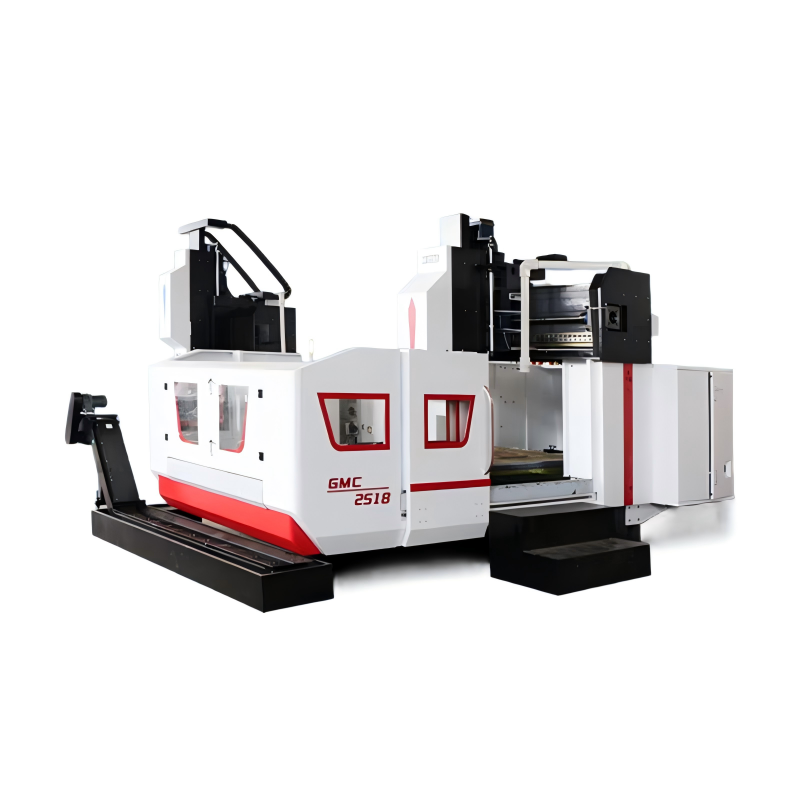
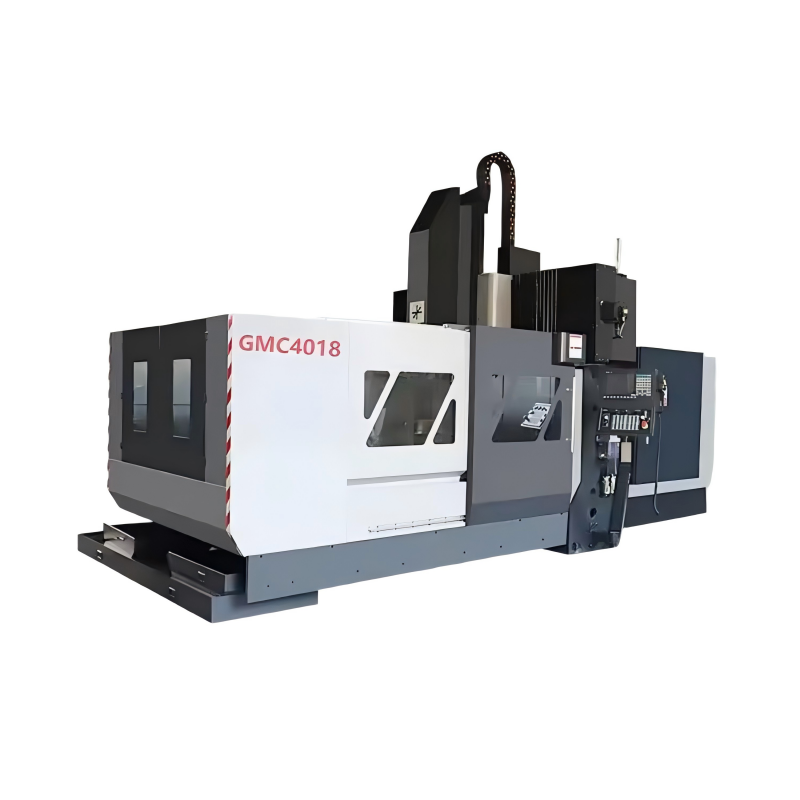
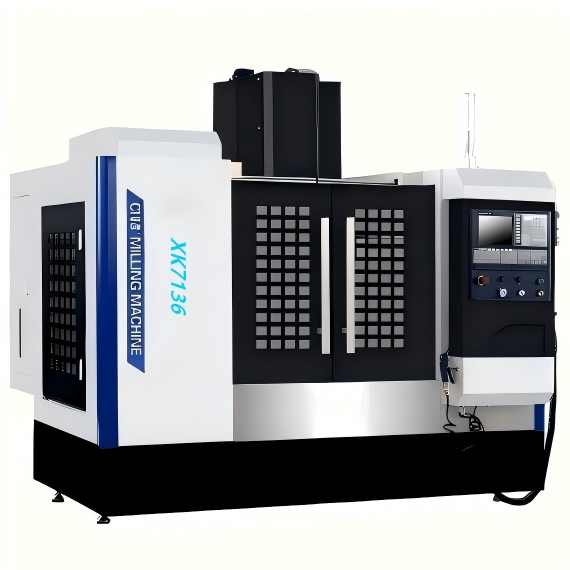
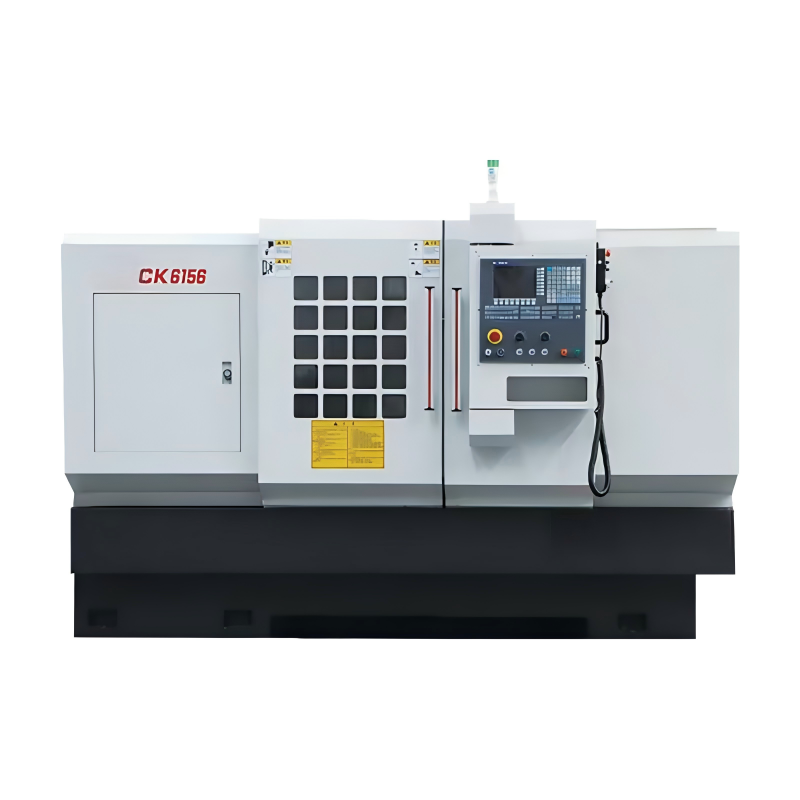
The lathe for long shaft operations is a specialized piece of machinery designed to handle the unique challenges associated with machining extended lengths. This report delves into the critical aspects of operating such lathes, focusing on setup considerations, tool selection, and advanced techniques that ensure optimal performance and precision. By understanding these essentials, manufacturers can enhance their capabilities in producing high-quality long shaft components efficiently.
Machining long shafts presents several distinctive challenges that are not as pronounced when working with shorter parts. The primary issues include maintaining straightness over the entire length, ensuring uniformity in diameter, and dealing with the increased risk of vibration and deflection. These factors require special attention during both the design phase and the actual machining process. A lathe for long shaft must be equipped with features that address these concerns, such as robust bed designs, precise guideways, and advanced control systems. Properly addressing these challenges ensures that the final product meets the required specifications and quality standards.
Setting up a lathe for long shaft effectively is crucial for achieving consistent and accurate results. Key considerations include the alignment of the machine, the use of appropriate support structures, and the calibration of all moving parts. One of the most important steps is ensuring that the lathe bed is perfectly level and stable. Any slight misalignment can lead to significant errors over the length of the shaft. Additionally, using steady rests and tailstocks properly can help in minimizing vibrations and maintaining the straightness of the workpiece. Advanced lathes often come with built-in diagnostics and automatic adjustments, which can further refine the setup process and improve overall accuracy.
The choice of cutting tools plays a pivotal role in the success of long shaft machining. For optimal performance, it's essential to select tools that are specifically designed for this type of work. High-speed steel (HSS) and carbide-tipped tools are commonly used due to their durability and ability to maintain sharp edges even under heavy loads. When selecting tools, it's also important to consider the material of the shaft, the desired finish, and the specific cutting parameters. Modern lathes for long shaft often incorporate tool changers and advanced software that can optimize tool paths and feed rates, leading to more efficient and precise machining. Regular maintenance and timely replacement of worn-out tools are also key to maintaining consistent quality and reducing downtime.
To achieve the highest levels of precision and efficiency in long shaft machining, operators can employ several advanced techniques. One such technique is the use of CNC (Computer Numerical Control) programming, which allows for highly accurate and repeatable cuts. CNC programs can be tailored to the specific requirements of each job, ensuring that the lathe for long shaft operates at its best. Another technique is the implementation of coolant systems, which help in dissipating heat and reducing tool wear. Coolant also improves chip evacuation, which is particularly important in long shaft machining to prevent clogging and maintain surface finish. Additionally, real-time monitoring and feedback systems can provide valuable insights into the machining process, allowing for immediate adjustments and continuous improvement.
In conclusion, mastering the operation of a lathe for long shaft requires a deep understanding of the unique challenges involved and the application of specialized techniques and tools. By carefully setting up the machine, selecting the right tools, and employing advanced methods, manufacturers can significantly enhance their ability to produce high-quality, long shaft components. Continuous learning and adaptation to new technologies and best practices will further ensure that the lathe for long shaft remains a reliable and efficient tool in the manufacturing process.
 23/06/2026
Working with a lathe, especially when dealing with long shafts, presents unique challenges and requires a specialized set of skills. This report aims to provide essential tips for effectively using a lathe for long shaft machining. The following sections
Read More23/06/2026A lathe for long shaft is a specialized machine designed to work with elongated pieces of material, such as metal or wood. These machines are essential in industries that require precision and accuracy when working on long, cylindrical objects. This techn
Read More23/06/2026Understanding the Specific Needs of Long Shaft ProjectsWhen it comes to machining long shafts, understanding the unique requirements and challenges is crucial. A Lathe for Long Shaft must be capable of handling not only the length but also the precision a
Read MoreOur professional sales team is always ready to assist you.