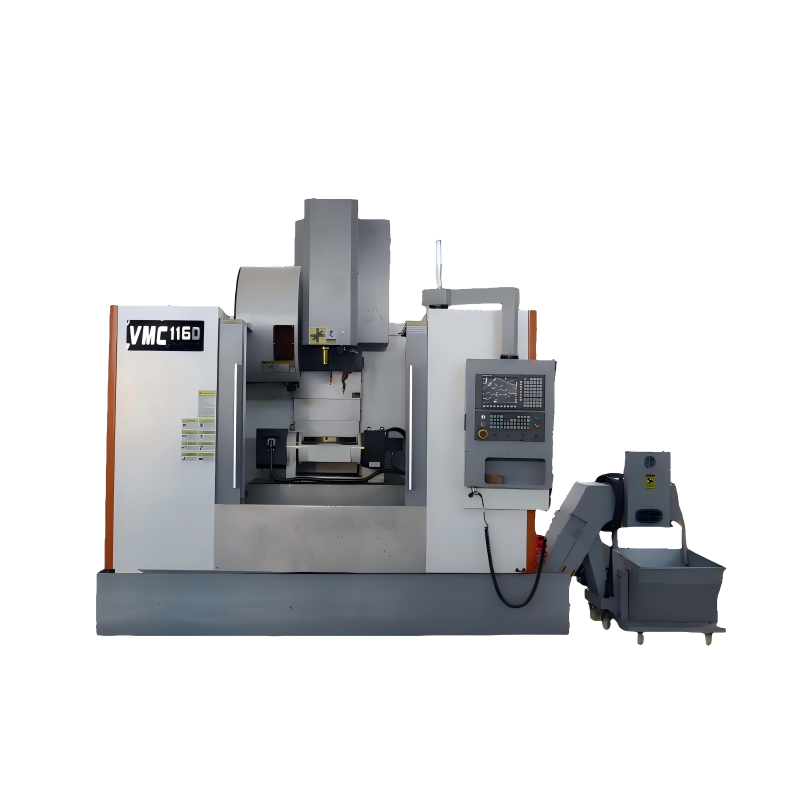
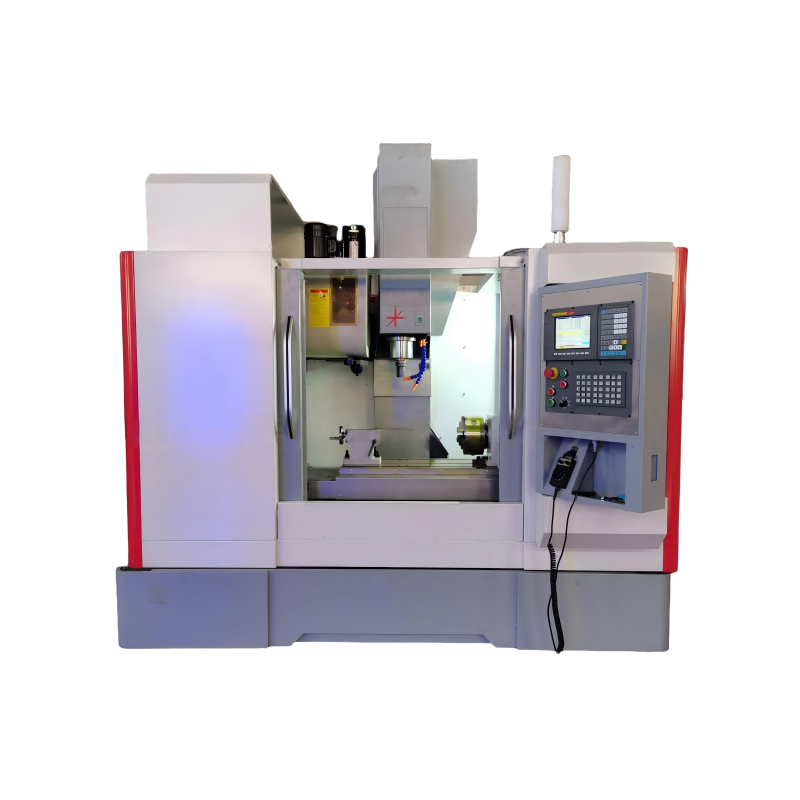
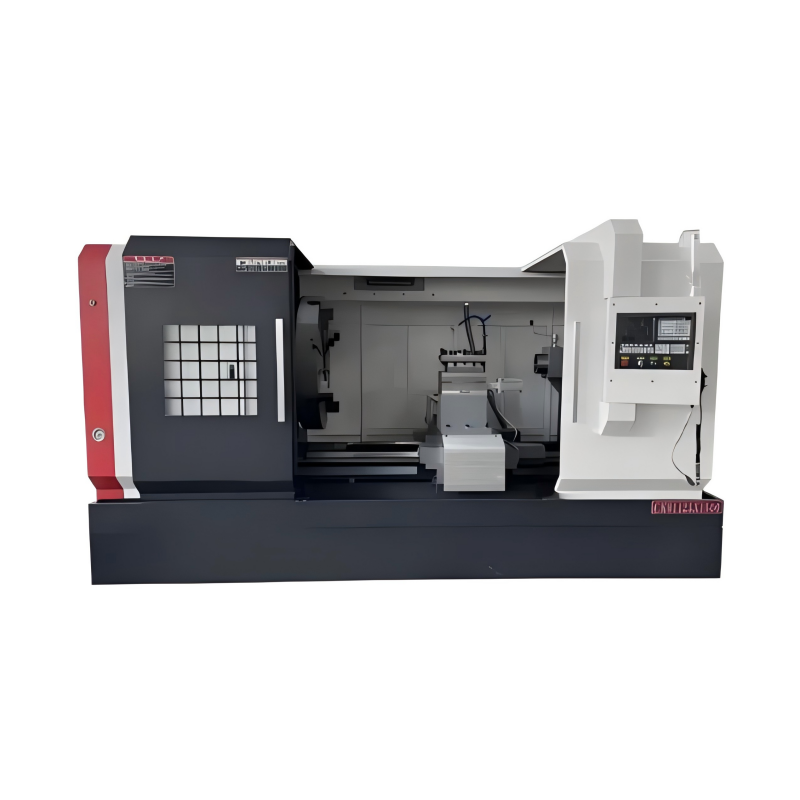
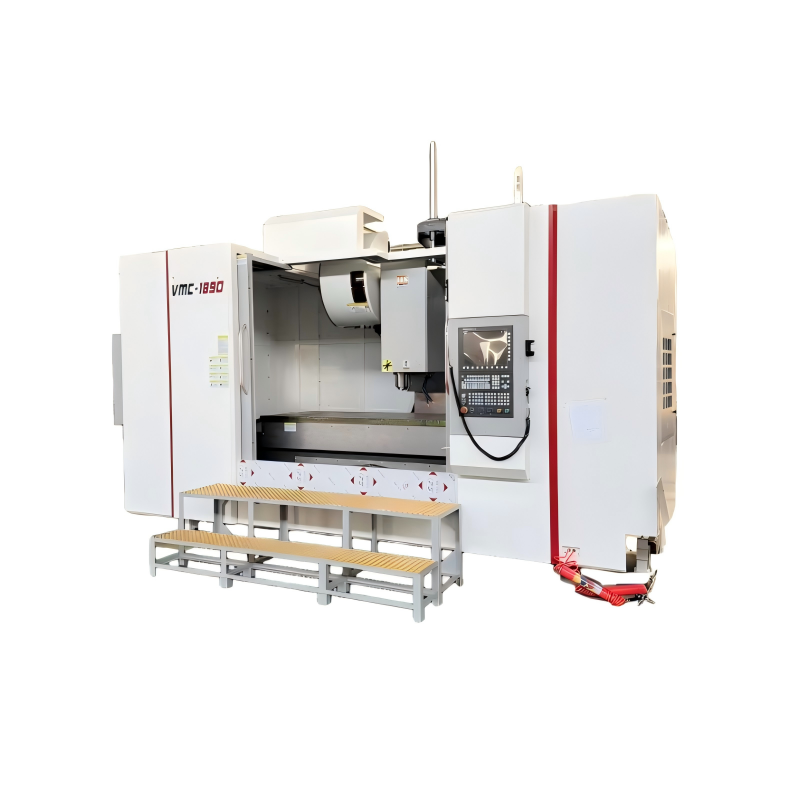
In the realm of manufacturing, precision milling machines have become indispensable tools for achieving high accuracy and efficiency in component production. This report delves into the key features that define modern precision milling machine systems, focusing on their advanced capabilities, integration with smart technologies, and the importance of maintenance and training. By understanding these elements, manufacturers can optimize their processes, reduce operational costs, and enhance product quality. The discussion will cover three main areas: the role of CNC (Computer Numerical Control) in enhancing precision, the integration of IoT (Internet of Things) for real-time monitoring, and the significance of proper maintenance and operator training to ensure longevity and reliability.
Modern precision milling machines are equipped with CNC technology, which allows for automated control over the machining process. CNC systems use pre-programmed software to dictate the movement of the machine's cutting tools, ensuring consistent and repeatable results. This level of automation minimizes human error and enhances the overall precision of the milled components. The ability to program complex geometries and intricate designs makes CNC a critical feature in precision milling machine systems.
CNC systems also enable the generation of advanced tool paths, which are essential for achieving high-precision milling. These tool paths are created using sophisticated CAD/CAM (Computer-Aided Design/Computer-Aided Manufacturing) software, allowing for the optimization of cutting parameters such as speed, feed rate, and depth of cut. By carefully planning the tool path, manufacturers can minimize material waste, reduce machining time, and achieve superior surface finishes. The combination of CNC and CAD/CAM technologies ensures that precision milling machines can handle even the most demanding tasks with ease.
The integration of IoT (Internet of Things) into precision milling machine systems provides real-time data and insights that can be used to improve manufacturing processes. Sensors embedded in the machine collect data on various parameters such as temperature, vibration, and tool wear. This data is then transmitted to a central server or cloud platform, where it can be analyzed to identify trends and potential issues. By leveraging this information, manufacturers can make informed decisions, optimize machine performance, and implement predictive maintenance strategies to prevent downtime and extend the lifespan of the equipment.
IoT also facilitates enhanced communication and collaboration between different machines and systems within the manufacturing environment. For example, a precision milling machine can communicate with other devices such as robots, conveyors, and quality control stations to create a seamless and efficient production line. This interconnectedness allows for better coordination and synchronization, leading to increased productivity and reduced cycle times. Additionally, the ability to remotely monitor and control the machines through IoT interfaces enables operators to manage multiple units from a single location, further streamlining the manufacturing process.
Proper maintenance is crucial for ensuring the longevity and reliability of precision milling machines. Regular inspections, lubrication, and cleaning help to prevent wear and tear, reducing the likelihood of breakdowns and extending the machine's operational life. Preventive maintenance schedules should be established based on the manufacturer's recommendations and the specific usage patterns of the machine. By adhering to these schedules, manufacturers can minimize unplanned downtime and maintain optimal performance levels. Additionally, regular maintenance helps to identify and address minor issues before they escalate into major problems, saving both time and money in the long run.
Operator training is another critical aspect of maintaining the performance of precision milling machine systems. Skilled operators who are well-versed in the machine's capabilities and limitations can maximize its potential and ensure safe and efficient operation. Comprehensive training programs should cover topics such as machine setup, programming, tool selection, and troubleshooting. Operators should also be trained in the use of safety equipment and best practices for handling the machine to prevent accidents and injuries. By investing in operator training, manufacturers can ensure that their precision milling machines are being used to their full potential, leading to higher quality products and more productive operations.
 08/06/2026
In the realm of advanced manufacturing, a precision milling machine system is indispensable for achieving high-accuracy and complex geometries. This technical report aims to provide expert advice on optimizing your precision milling workflow, ensuring max
Read More07/06/2026In today's competitive manufacturing landscape, the adoption of a high-performance precision milling machine system is crucial for maximizing productivity and maintaining a competitive edge. This report explores how such systems not only enhance the accur
Read More07/06/2026In the ever-evolving landscape of manufacturing, precision milling machine systems stand as a cornerstone of modern industrial production. As technology advances, these systems are becoming more sophisticated, offering unparalleled accuracy and efficiency
Read More06/06/2026In the realm of modern manufacturing, the evolution of precision milling machine systems has played a pivotal role in shaping industrial practices. This report delves into the recent advancements in precision milling technology, highlighting their impact
Read More06/06/2026A precision milling machine system is an essential tool in the manufacturing and engineering industries, used for creating intricate and precise parts. Maintaining such a sophisticated piece of equipment requires a comprehensive understanding of its compo
Read More05/06/2026In the realm of modern manufacturing, the demand for high-accuracy components has never been greater. Precision milling machine systems play a crucial role in meeting these demands, offering unparalleled accuracy and efficiency. This report explores how p
Read More05/06/2026Choosing the right precision milling machine system for your specific needs is a critical decision that can significantly impact the quality and efficiency of your manufacturing processes. This guide aims to provide an in-depth analysis, covering key aspe
Read More04/06/2026In the realm of manufacturing, precision is not just a preference but a necessity. A precision milling machine system stands at the heart of this requirement, offering solutions that are both accurate and efficient for a wide range of applications. This g
Read More04/06/2026In today's rapidly evolving manufacturing landscape, the integration of advanced technologies into precision milling machine systems has become a critical factor for enhancing operational efficiency and product quality. This technical report explores how
Read More04/06/2026In the realm of modern manufacturing, precision milling machines play a crucial role in producing high-accuracy components. The integration of advanced software into these systems has revolutionized how milling operations are conducted, enhancing not only
Read More04/06/2026In today's fast-paced manufacturing environment, the integration of a precision milling machine system can significantly enhance the efficiency and output quality of production lines. This technical report explores how such a system not only improves the
Read More04/06/2026In the rapidly evolving landscape of modern manufacturing, precision milling machine systems have emerged as a cornerstone technology, offering unparalleled accuracy and efficiency. This report delves into the advantages that precision milling brings to t
Read More04/06/2026In the realm of modern manufacturing, precision milling machine systems play a crucial role in producing high-accuracy components. The integration of advanced software into these systems has revolutionized the way parts are designed, manufactured, and ins
Read MoreOur professional sales team is always ready to assist you.