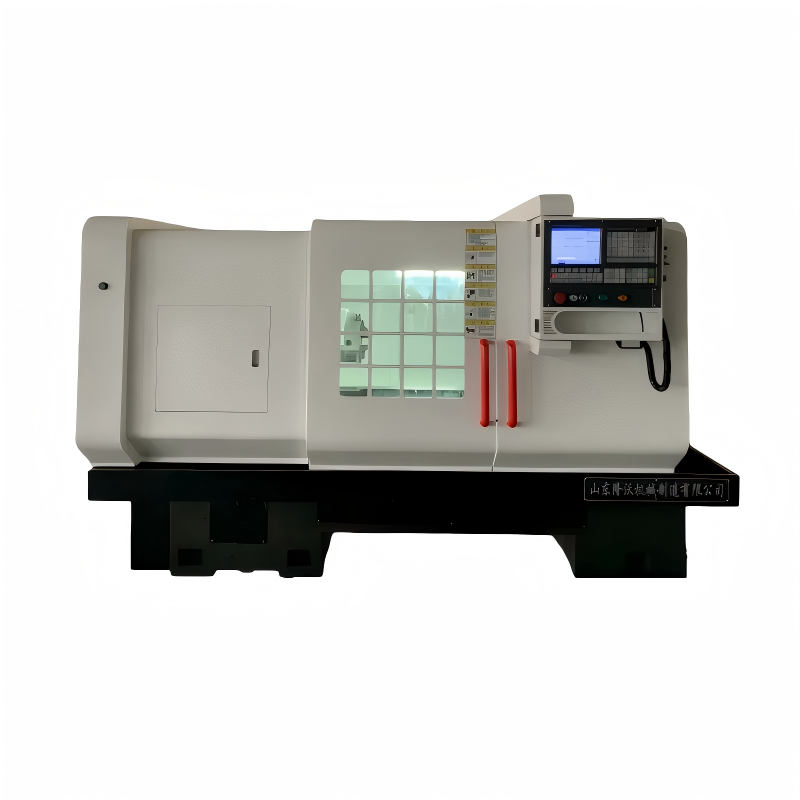
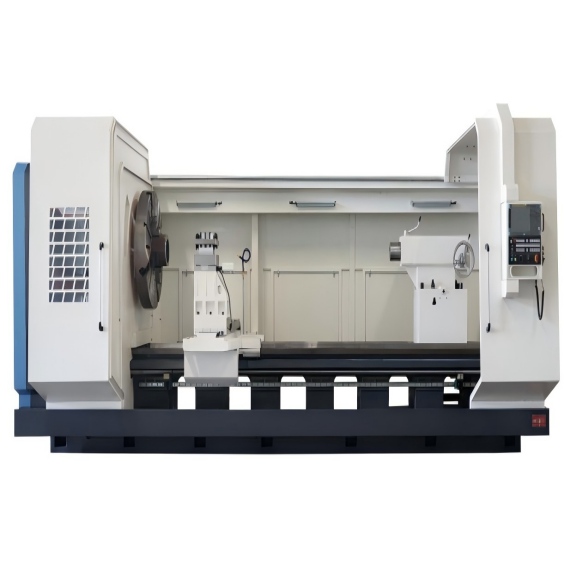
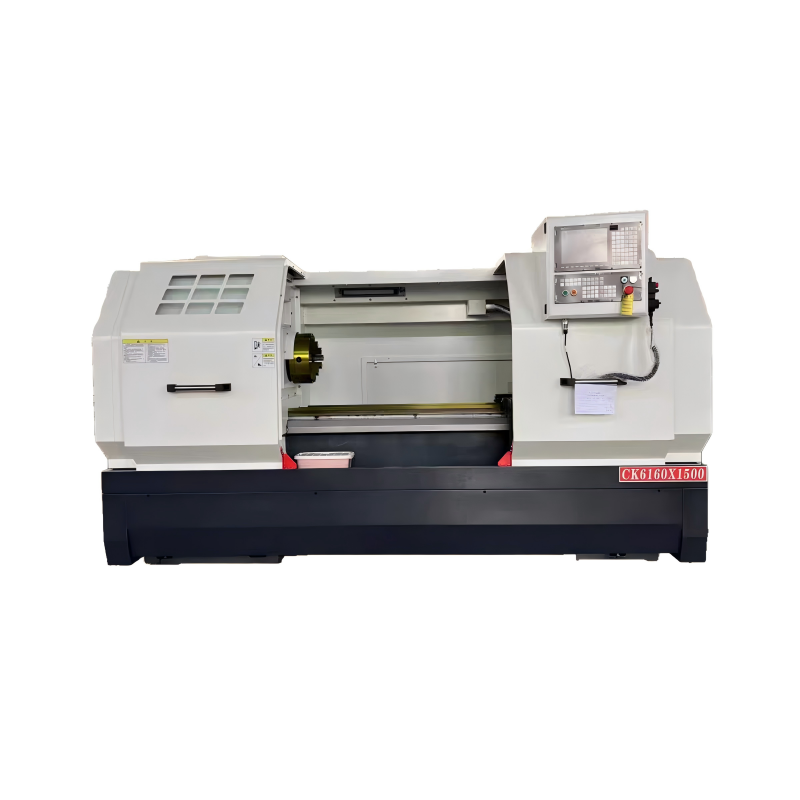
In the world of modern workshops, precision and efficiency are paramount. The integration of advanced machinery has become a critical factor in achieving these goals. One such piece of equipment that stands out for its versatility and capability is the Small VMC (Vertical Machining Center) for Workshop. This technical report will explore why every workshop should consider a Small VMC for their projects, highlighting several key advantages and practical applications.
One of the most significant benefits of incorporating a Small VMC into a workshop is the enhanced precision and accuracy it offers. Traditional manual machining methods often rely on the skill and experience of the operator, which can lead to inconsistencies and errors. A Small VMC, on the other hand, utilizes computer numerical control (CNC) technology, allowing for precise and repeatable operations. This level of accuracy is crucial for producing high-quality parts and components, especially in industries where tolerances are tight and quality is non-negotiable.
Moreover, the use of a Small VMC for Workshop enables the execution of complex geometries and intricate designs that would be difficult or impossible to achieve with manual tools. The machine's ability to perform multi-axis milling, drilling, and tapping operations in a single setup reduces the need for multiple setups and repositioning, further enhancing the overall precision of the finished product.
Efficiency is a key driver of success in any workshop, and a Small VMC for Workshop can significantly boost productivity. Unlike manual machines, which require constant operator intervention, a VMC can run unattended for extended periods. This feature allows operators to focus on other tasks, such as setting up the next job or performing quality checks, thereby maximizing the utilization of human resources.
Additionally, the automation capabilities of a Small VMC enable the machine to perform a wide range of operations without the need for frequent tool changes or manual adjustments. This streamlined workflow not only saves time but also reduces the likelihood of errors and downtime. The ability to program and store multiple jobs also means that the machine can quickly switch between different projects, making it an ideal solution for workshops that handle a diverse range of tasks.
While the initial investment in a Small VMC for Workshop may seem substantial, the long-term cost savings and return on investment (ROI) make it a cost-effective solution. The increased efficiency and reduced labor costs associated with automated machining can lead to significant savings over time. Additionally, the consistent quality of the output reduces the need for rework and scrap, further lowering production costs.
Another cost-saving aspect is the reduction in tool wear and maintenance. A Small VMC is designed to optimize cutting parameters and tool paths, which extends the life of cutting tools and reduces the frequency of replacements. This not only saves money on tooling but also minimizes downtime due to tool changes and maintenance. Furthermore, the ability to produce high-quality parts in-house can eliminate the need for outsourcing, providing greater control over the production process and reducing external costs.
The versatility of a Small VMC for Workshop makes it a valuable addition to any workshop. These machines can handle a wide variety of materials, including metals, plastics, and composites, and can perform a range of operations, from simple milling and drilling to more complex 3D contouring and engraving. This flexibility allows workshops to take on a broader range of projects and adapt to changing customer demands.
Furthermore, the compact size of a Small VMC makes it suitable for workshops with limited floor space. Despite its smaller footprint, it does not compromise on functionality and can still deliver the same level of performance as larger machines. This makes it an ideal choice for small to medium-sized workshops that need a versatile and efficient machining solution.
As manufacturing technologies continue to evolve, the integration of a Small VMC for Workshop with other advanced systems becomes increasingly important. Many modern VMCs are equipped with features such as touch-screen interfaces, network connectivity, and support for CAD/CAM software, making them easy to integrate into existing workflows. This seamless integration allows for efficient data transfer, real-time monitoring, and remote diagnostics, all of which contribute to a more connected and intelligent manufacturing environment.
Additionally, the use of a Small VMC can facilitate the implementation of Industry 4.0 principles, such as predictive maintenance and data analytics. By collecting and analyzing machine data, workshops can gain valuable insights into their operations, identify areas for improvement, and make data-driven decisions. This not only enhances the overall efficiency of the workshop but also positions it for future growth and innovation.
In conclusion, the adoption of a Small VMC for Workshop offers numerous benefits, including enhanced precision and accuracy, increased productivity and efficiency, cost-effectiveness, versatility, and integration with modern manufacturing technologies. For workshops looking to stay competitive and deliver high-quality products, a Small VMC is a worthwhile investment that can drive significant improvements in their operations.
 20/06/2026
Exploring the Versatility of a Small VMC for Workshop EnvironmentsIn the realm of hobbyist machining, the small VMC (Vertical Machining Center) has emerged as an indispensable tool. This section delves into the versatility offered by such machines, making
Read More20/06/2026In the contemporary landscape of manufacturing and prototyping, workshops are increasingly becoming hubs of innovation and efficiency. A key enabler in this transformation is the introduction of advanced machinery, with the Small VMC (Vertical Machining C
Read More19/06/2026In the realm of manufacturing and small-scale production, the integration of a Small VMC (Vertical Machining Center) into a workshop can significantly boost productivity. This report delves into the practical aspects and strategic approaches for enhancing
Read More19/06/2026IntroductionThe integration of a Small VMC (Vertical Machining Center) into your personal workshop can significantly elevate the quality and efficiency of your projects. This guide aims to provide an in-depth look at setting up a Small VMC, ensuring it is
Read More19/06/2026In the realm of precision machining, the choice of machinery plays a pivotal role in determining both the quality and efficiency of the final product. A Small VMC for Workshop, or Vertical Machining Center, is an increasingly popular option due to its ver
Read More18/06/2026In today’s fast-paced manufacturing environment, the need for efficient and versatile machinery is more critical than ever. One such piece of equipment that has gained significant popularity among small to medium-sized workshops is the Small VMC (Vertical
Read More18/06/2026In the world of machining, choosing the right small VMC (Vertical Machining Center) for your workshop is a decision that can significantly impact productivity and efficiency. This article will guide you through the key considerations and steps to ensure y
Read More18/06/2026In the realm of home workshops, having the right tools can make all the difference. One such tool that has gained significant attention is the Small VMC (Vertical Machining Center). This article explores the benefits of integrating a Small VMC into your h
Read MoreOur professional sales team is always ready to assist you.