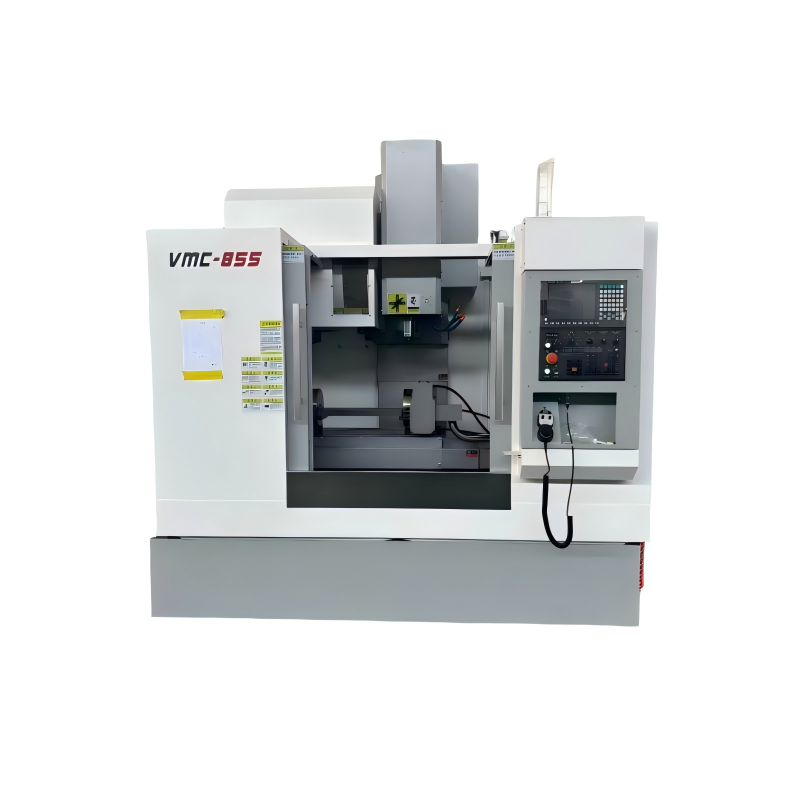
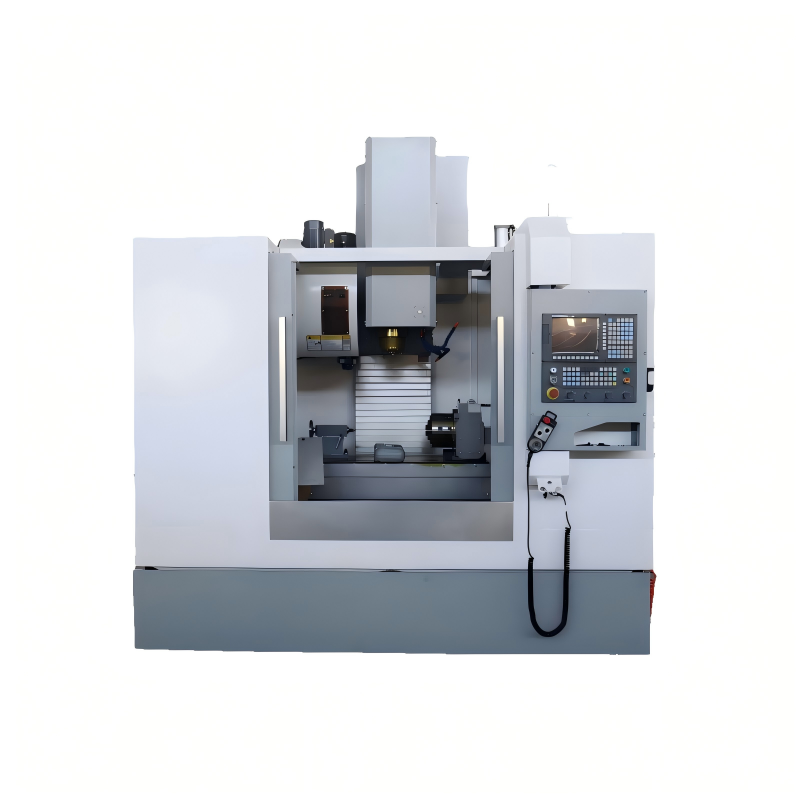
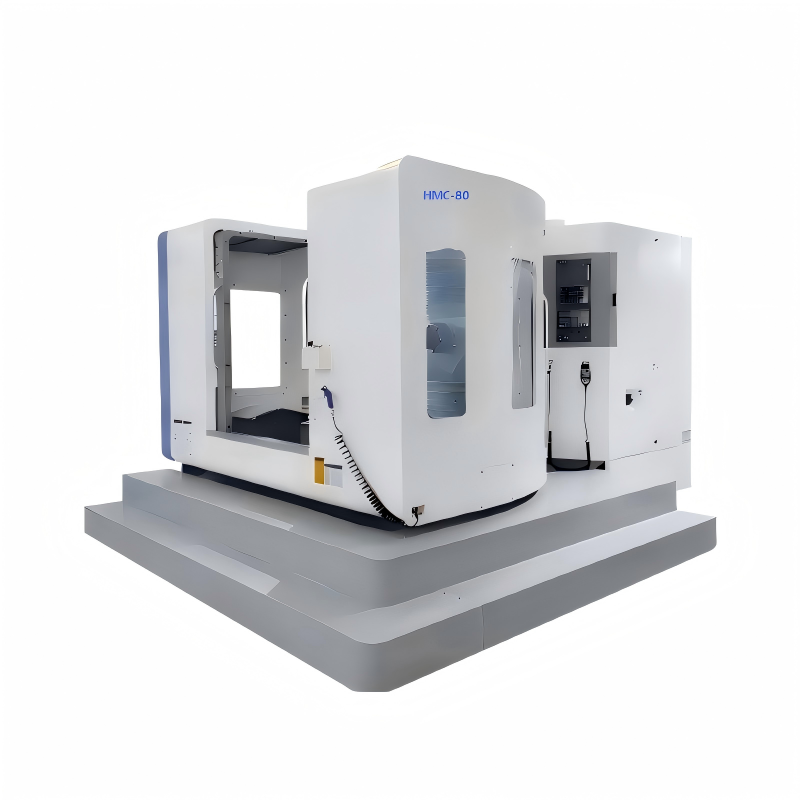
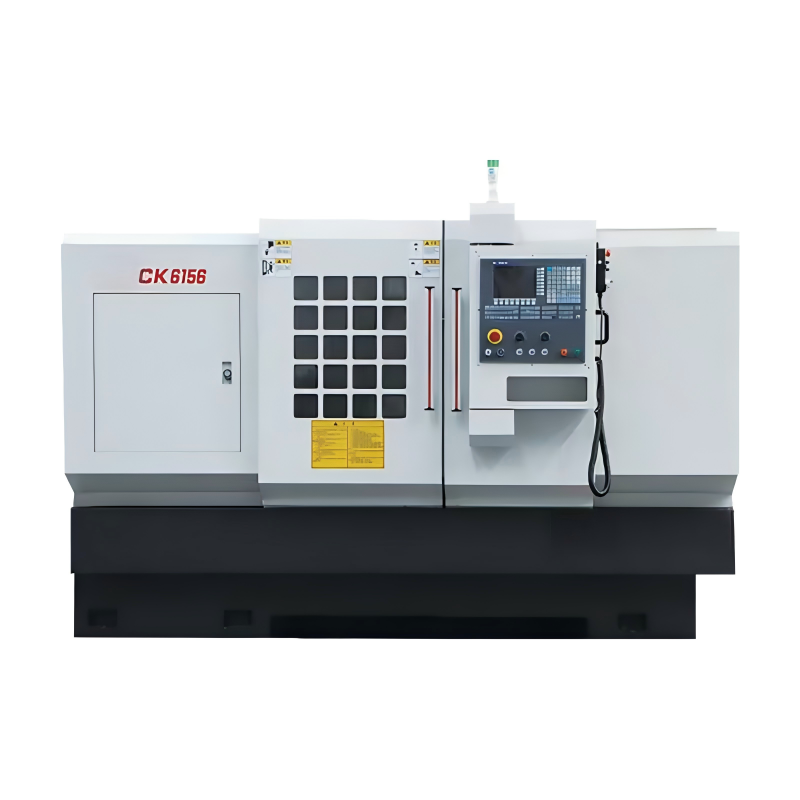
A 4 axis heavy Horizontal Machining Center is a sophisticated piece of machinery designed for high-precision and heavy-duty manufacturing tasks. Unlike 3-axis machines, which operate along three linear axes (X, Y, and Z), a 4-axis machine adds an additional rotary axis (A or B) to its capabilities. This extra axis allows for more complex operations, such as milling, drilling, and tapping, on multiple sides of a part without the need for manual repositioning. The inclusion of this fourth axis significantly enhances the machine's versatility and efficiency, making it a preferred choice in industries that require high-precision components with intricate geometries.
The primary advantage of using a 4-axis heavy horizontal machining center lies in its ability to perform multi-sided machining operations in a single setup. This not only reduces the overall production time but also minimizes the potential for errors that can occur during manual repositioning. Additionally, these machines are built to handle large and heavy workpieces, making them ideal for applications in aerospace, automotive, and heavy machinery manufacturing.
When selecting a 4 axis heavy horizontal machining center, it is crucial to evaluate several key features and specifications to ensure that the machine meets your specific requirements. One of the most important factors to consider is the machine's spindle power and speed. A powerful spindle is essential for handling tough materials and maintaining high precision, while a wide range of spindle speeds allows for optimal cutting conditions across different materials and operations.
Another critical aspect is the machine's table size and load capacity. The table should be large enough to accommodate the largest workpieces you plan to machine, and it must be able to support the weight of these parts without compromising accuracy. Additionally, the travel distance of the axes, particularly the X, Y, and Z axes, should be sufficient to cover the entire working envelope of the parts you intend to produce.
Control systems and software compatibility are also vital considerations. Modern 4-axis machining centers often come equipped with advanced CNC (Computer Numerical Control) systems that offer user-friendly interfaces and robust programming capabilities. Ensure that the control system is compatible with your existing CAD/CAM software to streamline the design-to-manufacture process. Advanced features such as automatic tool changers, coolant systems, and chip management systems can further enhance the machine's productivity and ease of use.
Performance and reliability are paramount when investing in a 4 axis heavy horizontal machining center. To assess these aspects, it is advisable to review the machine's performance data, including its positioning accuracy, repeatability, and thermal stability. High positioning accuracy and repeatability are essential for producing consistent and precise parts, while thermal stability ensures that the machine maintains its accuracy over extended periods of operation.
Additionally, it is important to consider the machine's maintenance requirements and the availability of spare parts and technical support. Regular maintenance is crucial for ensuring the longevity and reliability of the machine. Choose a manufacturer that offers comprehensive after-sales support, including regular maintenance services, timely delivery of spare parts, and responsive technical assistance. This will help minimize downtime and ensure that the machine operates at peak performance throughout its lifecycle.
Finally, it is beneficial to visit the manufacturer's facility or a customer site where the machine is in operation. This will allow you to observe the machine's performance firsthand and gather feedback from experienced operators. You can also inquire about the machine's long-term performance and any issues that may have arisen during its operation. This firsthand experience and feedback will provide valuable insights into the machine's real-world performance and reliability.
Investing in a 4 axis heavy horizontal machining center is a significant financial decision, and it is essential to carefully evaluate the cost and return on investment (ROI). The initial purchase price is just one component of the total cost; other factors, such as installation, training, and ongoing maintenance, should also be considered. Additionally, the machine's productivity and efficiency can have a substantial impact on your ROI.
To determine the ROI, start by calculating the expected increase in production capacity and the reduction in labor costs. A 4-axis machine can significantly reduce the time required for setup and machining, leading to higher throughput and lower labor costs. Additionally, the machine's ability to handle complex operations in a single setup can reduce the need for secondary operations, further improving efficiency.
Consider the long-term benefits, such as improved product quality and reduced scrap rates. High-precision machining can lead to better-finished products, which can enhance your company's reputation and open up new market opportunities. Moreover, the machine's reliability and durability can result in lower maintenance costs and longer operational life, contributing to a positive ROI over time.
It is also important to factor in the potential for future growth and expansion. A 4 axis heavy horizontal machining center can be a versatile and scalable solution, capable of handling a wide range of parts and materials. This flexibility can enable your business to adapt to changing market demands and take on new projects, providing a strong foundation for long-term success.
Selecting the right 4 axis heavy horizontal machining center requires a thorough understanding of your specific needs and a careful evaluation of the machine's features, performance, and cost. By considering the key factors outlined in this guide, you can make an informed decision that will enhance your manufacturing capabilities and drive your business forward. Remember to prioritize high-precision, reliability, and long-term value to ensure that your investment in a 4-axis machining center delivers the desired results and contributes to your company's growth and success.
 17/06/2026
The 4 axis heavy horizontal machining center is a highly advanced piece of equipment, designed to handle complex parts with precision and efficiency. This report will delve into the key features and benefits that make this machine an indispensable tool in
Read More17/06/2026Understanding the 4 Axis Heavy Horizontal Machining CenterThe 4 axis heavy horizontal machining center is a significant advancement in the field of industrial manufacturing, offering unparalleled precision and efficiency. This type of machine is character
Read More17/06/2026In the realm of industrial manufacturing, the 4 axis heavy horizontal machining center stands out as a pinnacle of precision and versatility. This piece of machinery is not just another tool in the workshop; it represents a significant leap forward in wha
Read More17/06/2026In the realm of modern manufacturing, the advent and evolution of the 4 axis heavy horizontal machining center have revolutionized the way complex parts are produced. These advanced machines offer unparalleled precision, efficiency, and versatility, makin
Read MoreOur professional sales team is always ready to assist you.