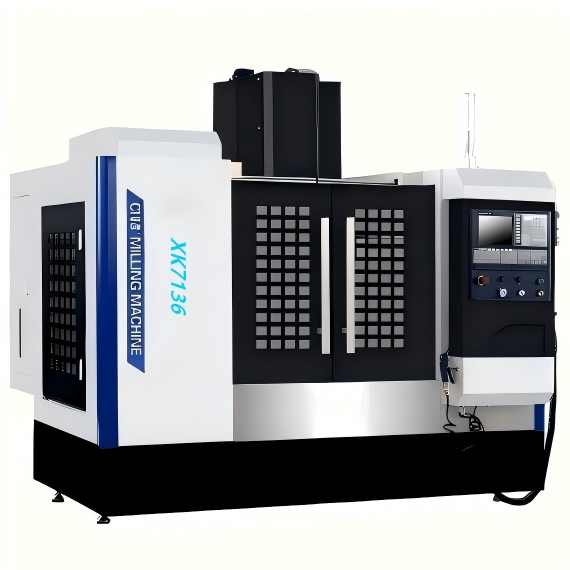
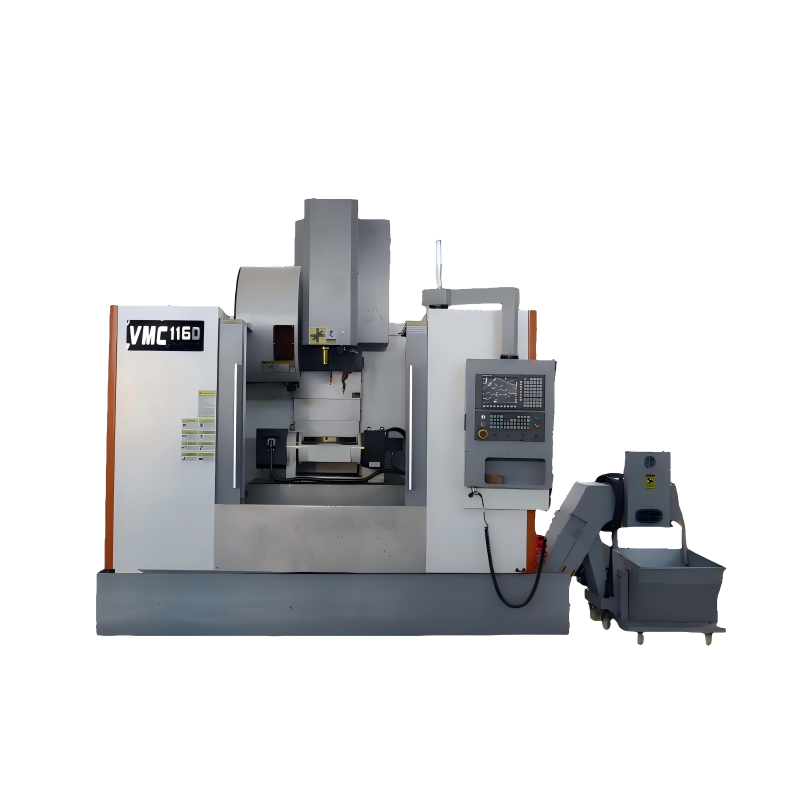
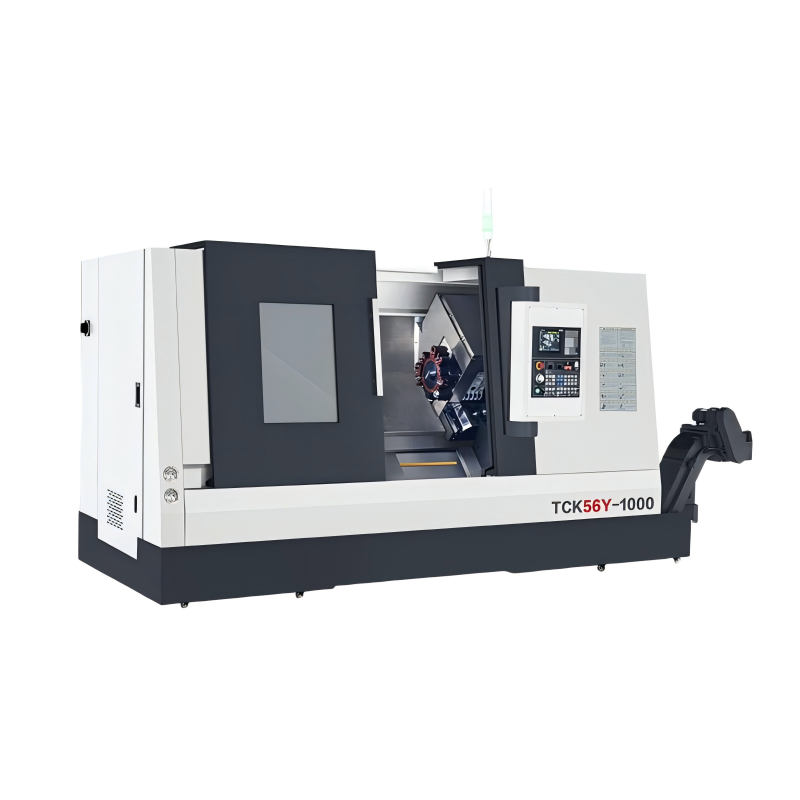
In the realm of industrial manufacturing, the selection of a suitable heavy duty CNC lathe is a critical decision that can significantly impact productivity, efficiency, and overall operational costs. This comprehensive guide aims to provide manufacturers with the essential knowledge and insights needed to make an informed choice when selecting the right heavy duty CNC Lathe for their specific needs.
A heavy duty CNC (Computer Numerical Control) lathe is a high-precision machine designed to handle large and complex parts with accuracy and consistency. These machines are equipped with advanced control systems that allow for precise machining operations, such as turning, threading, and facing. The robust construction and powerful motors of heavy duty CNC lathes enable them to process materials like steel, cast iron, and other alloys with ease. Understanding the fundamental features and capabilities of these machines is the first step in making an informed selection.
Key components of a heavy duty CNC lathe include the spindle, tool turret, coolant system, and control panel. The spindle is responsible for rotating the workpiece, while the tool turret holds multiple cutting tools and allows for rapid tool changes. The coolant system helps in maintaining optimal operating temperatures, and the control panel provides the interface for programming and monitoring the machine. Familiarizing oneself with these components is crucial for evaluating the performance and reliability of different models.
Before diving into the selection process, it's essential to thoroughly assess your manufacturing requirements. This involves considering factors such as the types of materials you will be working with, the size and complexity of the parts, and the production volume. For instance, if your operation primarily deals with large, heavy components, a heavy duty CNC lathe with a larger bed and higher load capacity would be more appropriate. Conversely, if precision and fine details are paramount, a machine with high-resolution positioning and advanced control systems would be necessary.
Additionally, consider the specific features and functionalities that are most important for your operations. Some common features to look for include automatic tool changers, live tooling, and multi-axis capabilities. These features can greatly enhance the versatility and efficiency of the machine, allowing for more complex and diverse machining tasks. By aligning your selection with your specific needs, you can ensure that the chosen heavy duty CNC lathe will meet your production goals effectively.
Performance and reliability are two critical factors to consider when selecting a heavy duty CNC lathe. A reliable machine ensures consistent and accurate results, reducing downtime and maintenance costs. To evaluate the performance of a CNC lathe, pay attention to specifications such as spindle speed, feed rate, and rapid traverse rates. Higher spindle speeds and faster feed rates can lead to increased productivity, but they must be balanced with the need for precision and surface finish quality.
Reliability can be assessed by looking at the build quality, durability of components, and the manufacturer's reputation. Machines with sturdy frames, high-quality bearings, and well-designed cooling systems tend to have longer lifespans and lower maintenance requirements. Additionally, consider the availability of spare parts and the level of support provided by the manufacturer. A reputable manufacturer with a strong track record of customer service and support can provide peace of mind and minimize disruptions in your production process.
The initial cost of a heavy duty CNC lathe is a significant investment, but it is only one part of the total cost of ownership. To make a sound financial decision, it's important to consider the long-term value of the machine. This includes factors such as energy consumption, maintenance costs, and the potential for future upgrades or expansions. Energy-efficient machines can help reduce operating costs over time, while those with modular designs allow for easy upgrades and modifications as your needs evolve.
Additionally, consider the potential return on investment (ROI). A high-performance CNC lathe can increase productivity, reduce scrap rates, and improve product quality, leading to higher profitability. Conduct a thorough cost-benefit analysis, taking into account both the initial purchase price and the ongoing operational costs. This will help you identify the most cost-effective solution that aligns with your budget and business goals.
Another important aspect to consider is the integration and compatibility of the heavy duty CNC lathe with your existing manufacturing systems. This includes not only the physical installation but also the software and communication protocols. Ensure that the new machine can seamlessly integrate with your current setup, including any automation systems, material handling equipment, and data management systems.
Compatibility with industry-standard communication protocols, such as Ethernet/IP or PROFINET, can facilitate smooth data exchange and coordination between different machines and systems. Additionally, consider the user-friendliness of the control software and the training required for operators. A machine with intuitive controls and comprehensive training resources can help minimize the learning curve and ensure a smooth transition for your workforce.
By carefully evaluating these key aspects—understanding the basics, assessing your manufacturing needs, assessing performance and reliability, considering long-term value, and ensuring integration and compatibility—you can make a well-informed decision when selecting the right heavy duty CNC lathe for your operations. This investment will not only enhance your production capabilities but also contribute to the overall success and competitiveness of your manufacturing business.
 28/06/2026
In the realm of modern manufacturing, the integration of advanced machinery has been a game changer. Among these, the Heavy duty CNC Lathe stands out as a pivotal tool that is redefining the landscape of industrial production. This report delves into how
Read More27/06/2026In the evolving landscape of manufacturing, heavy duty CNC lathes have emerged as indispensable tools for producing high-precision, complex components. This report delves into the advanced features that characterize today's heavy duty CNC lathes, highligh
Read More26/06/2026Heavy duty CNC lathes play a crucial role in the field of precision engineering, offering unparalleled accuracy and efficiency for manufacturing complex parts. This report delves into the significance of heavy duty CNC lathes, their capabilities, and how
Read More25/06/2026In the realm of modern manufacturing, the heavy duty CNC lathe has emerged as an indispensable tool for precision machining. This article delves into the capabilities and applications of a heavy duty CNC lathe, exploring its role in enhancing production e
Read MoreOur professional sales team is always ready to assist you.