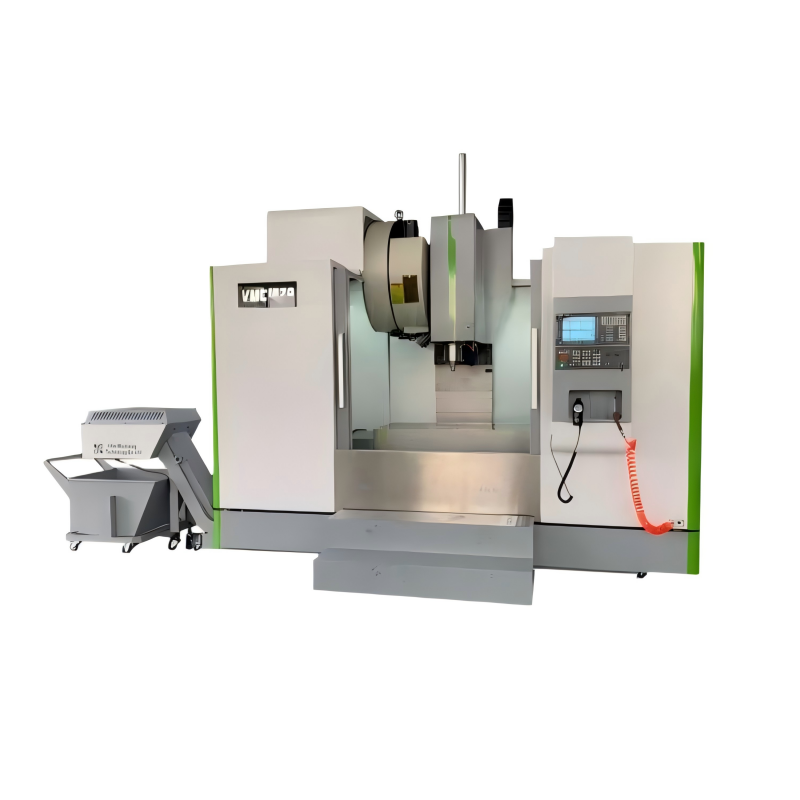
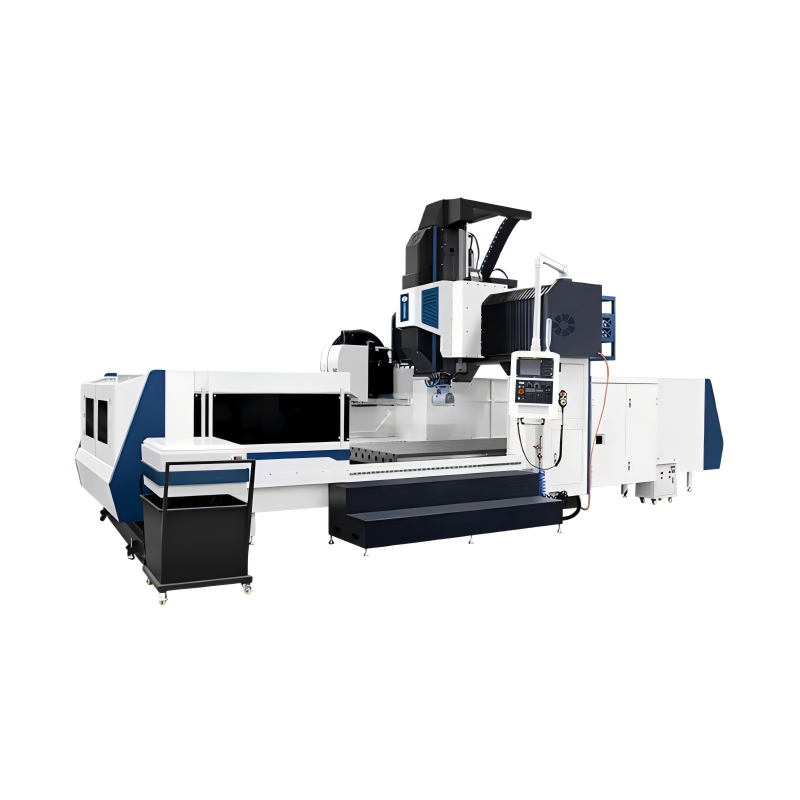
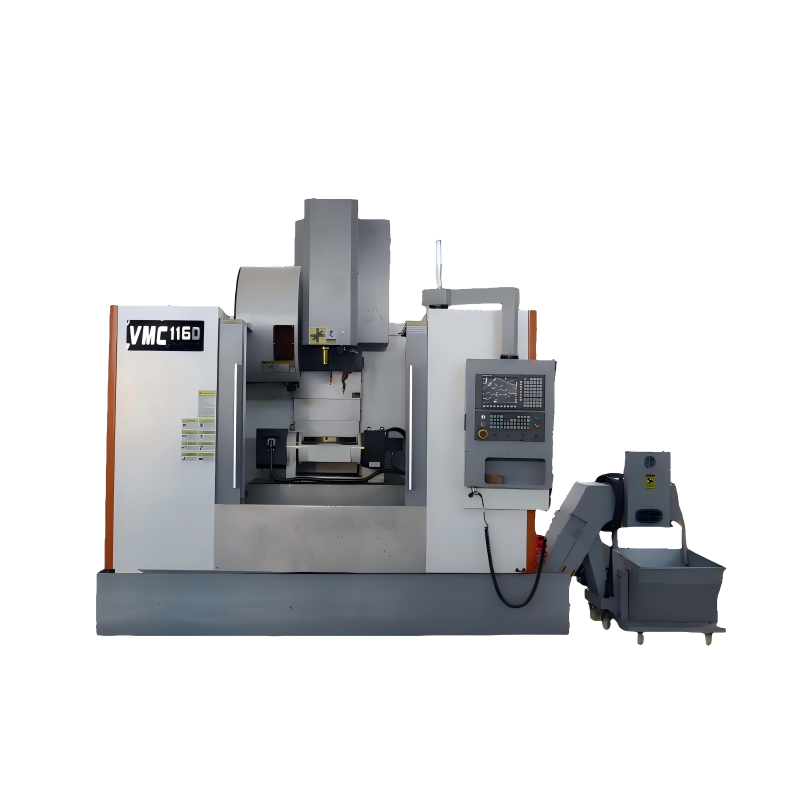
In the world of advanced manufacturing, the integration of turning and milling operations into a single machine has revolutionized production processes. A Turn-mill Machining Center is designed to perform both turning and milling operations on a workpiece, offering manufacturers unparalleled flexibility and efficiency. This section will delve into the fundamental aspects of these machines, including their basic components, operational principles, and how they differ from traditional CNC machines.
The core components of a turn-mill machining center include the spindle, tool turret, rotary table, and control system. The spindle is responsible for holding and rotating the workpiece, while the tool turret houses multiple cutting tools that can be automatically changed during the machining process. The rotary table allows for multi-axis machining, enabling complex geometries to be produced with high precision. The control system, typically a CNC (Computer Numerical Control) unit, manages the entire operation, ensuring that each step is executed accurately and efficiently.
Turn-mill machining centers offer several advantages over conventional machines. They reduce setup times by combining multiple operations into a single setup, minimize the need for manual intervention, and improve overall part accuracy. Additionally, these machines are capable of handling a wide range of materials, from metals to plastics, making them versatile tools in various industries such as aerospace, automotive, and medical device manufacturing.
Selecting the right turn-mill machining center is a critical decision that can significantly impact the productivity and profitability of your manufacturing operations. There are several key factors to consider when choosing a machine that best meets your specific needs. These factors include the size and complexity of the parts you intend to produce, the materials you will be working with, and the required level of precision and surface finish.
Firstly, the size and capacity of the machine are crucial. Ensure that the turn-mill machining center can accommodate the largest parts you plan to manufacture. This includes not only the physical dimensions but also the weight and material properties of the workpieces. Secondly, the machine's capabilities in terms of axes and tooling are important. Multi-axis machines provide greater flexibility and can handle more complex geometries, while a well-equipped tool turret ensures that all necessary operations can be performed without frequent tool changes.
Material compatibility is another significant factor. Different materials require different cutting speeds, feeds, and tooling. Make sure the machine you choose is capable of handling the specific materials you will be working with, whether it’s stainless steel, aluminum, or exotic alloys. Lastly, consider the machine’s accuracy and repeatability. High-precision machining is essential for many applications, and the ability to consistently produce parts within tight tolerances is a key indicator of a quality turn-mill machining center.
Performance and reliability are two of the most critical aspects to evaluate when selecting a turn-mill machining center. The performance of the machine is determined by its speed, power, and the quality of the finished parts it produces. Reliability, on the other hand, is about the machine’s durability, maintenance requirements, and the support provided by the manufacturer.
To assess performance, look at the machine’s specifications, such as spindle speed, feed rates, and rapid traverse rates. Higher speeds and feeds generally indicate better performance, but they must be balanced with the material and tooling requirements. Additionally, consider the machine’s ability to maintain consistent performance over time. Testimonials and case studies from existing users can provide valuable insights into the machine’s real-world performance.
Reliability is often reflected in the machine’s build quality and the reputation of the manufacturer. Look for machines built with high-quality components and robust construction. A reliable machine should have minimal downtime and be easy to maintain. Regular maintenance schedules and the availability of spare parts are also important considerations. Furthermore, the level of customer support offered by the manufacturer, including training, technical assistance, and warranty coverage, can greatly influence the overall reliability and longevity of the machine.
Modern turn-mill machining centers are increasingly being integrated with automation systems to enhance productivity and reduce labor costs. Automation can take many forms, from simple part loading and unloading to fully automated production lines. When selecting a turn-mill machining center, it is essential to consider its integration and automation capabilities to ensure seamless operation within your existing manufacturing environment.
One of the primary benefits of automation is the ability to run the machine 24/7 with minimal human intervention. This can be achieved through the use of robotic arms, automatic pallet changers, and other automated systems. Additionally, advanced software and control systems can optimize the machining process, reducing cycle times and improving part quality. Features such as adaptive control, which adjusts the cutting parameters in real-time based on sensor feedback, can further enhance the machine’s performance.
Integration with other systems, such as CAD/CAM software, ERP (Enterprise Resource Planning) systems, and data analytics platforms, is also crucial. Seamless integration allows for efficient data transfer, enabling better planning, monitoring, and optimization of the manufacturing process. When evaluating a turn-mill machining center, inquire about the available interfaces and protocols for integrating with your existing systems. This will help ensure that the machine can be easily incorporated into your workflow, maximizing its potential and return on investment.
While the initial cost of a turn-mill machining center is a significant factor, it is equally important to consider the total cost of ownership and the potential return on investment (ROI). The total cost of ownership includes not only the purchase price but also ongoing expenses such as maintenance, tooling, energy consumption, and operator training. A thorough cost analysis can help you make an informed decision and justify the investment.
Start by calculating the direct costs, including the purchase price, installation, and any additional equipment or accessories needed. Next, estimate the indirect costs, such as maintenance, tooling, and energy consumption. Maintenance costs can vary widely depending on the machine’s design and the manufacturer’s support. Tooling costs should also be considered, as they can be a significant expense, especially for high-volume production. Energy consumption is another factor, as modern machines are designed to be more energy-efficient, which can result in long-term savings.
Finally, evaluate the potential ROI. This involves assessing the increase in productivity, reduction in labor costs, and improvements in part quality and lead times. A well-chosen turn-mill machining center can significantly boost your manufacturing capabilities, leading to higher output, lower costs, and improved competitiveness. By carefully analyzing these factors, you can make a well-informed decision that aligns with your business goals and budget.
 27/06/2026
In the realm of advanced manufacturing, turn-mill machining centers have emerged as a transformative technology, offering unparalleled efficiency and productivity. This report delves into the key aspects of how these machines are revolutionizing the manuf
Read More26/06/2026Introduction to Turn-mill Machining CentersTurn-mill machining centers represent a significant advancement in the field of precision engineering. These machines combine the capabilities of turning and milling operations, allowing for the production of com
Read More25/06/2026In the realm of modern manufacturing, the turn-mill machining center has emerged as a pivotal technology, offering a range of advantages that significantly enhance production capabilities. This report delves into the multifaceted benefits of integrating a
Read More12/06/2026On June 11, a delegation of clients from Iraq specializing in flange manufacturing visited our CNC machine tool factory. The visit focused on understanding the comprehensive equipment solutions for specialized flange production workshops.
Read MoreOur professional sales team is always ready to assist you.