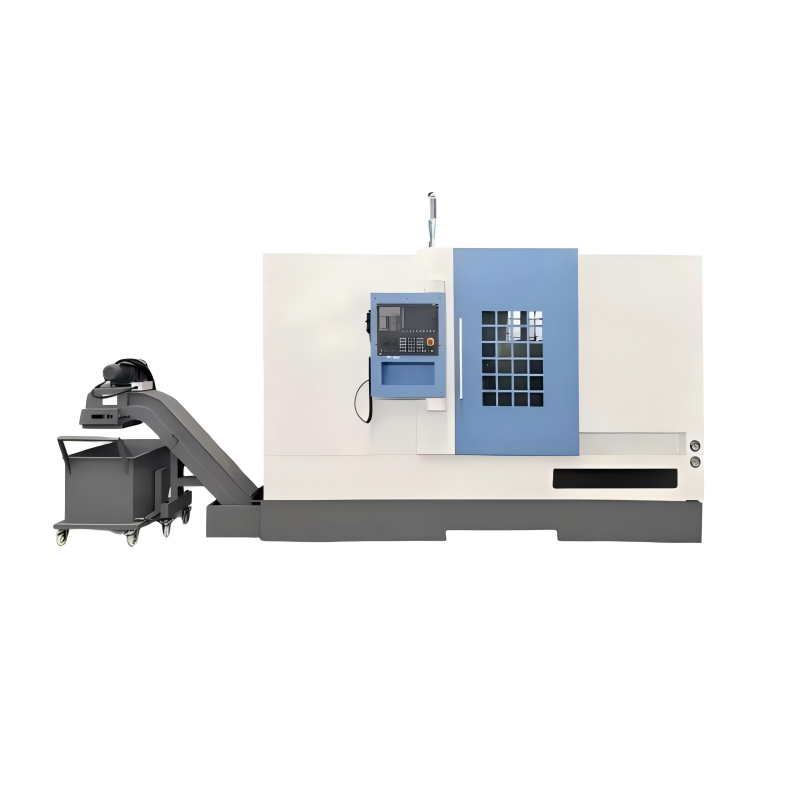
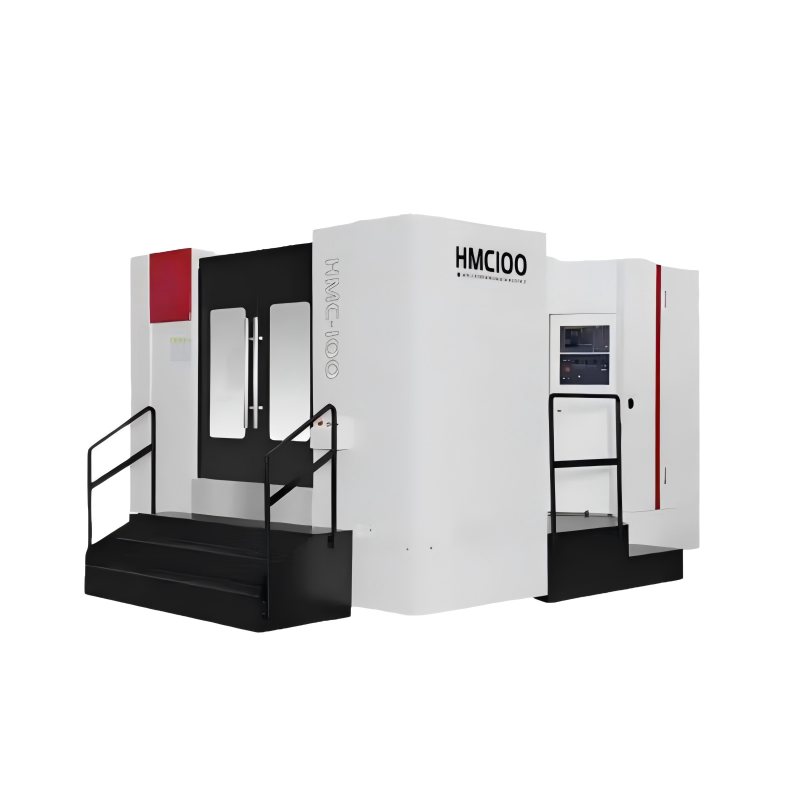
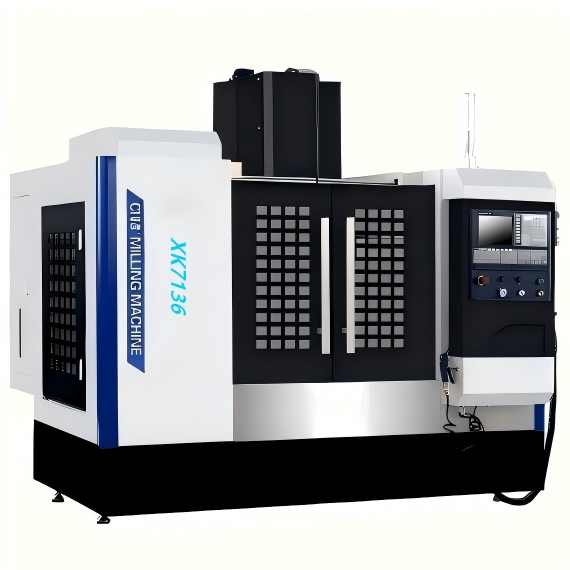
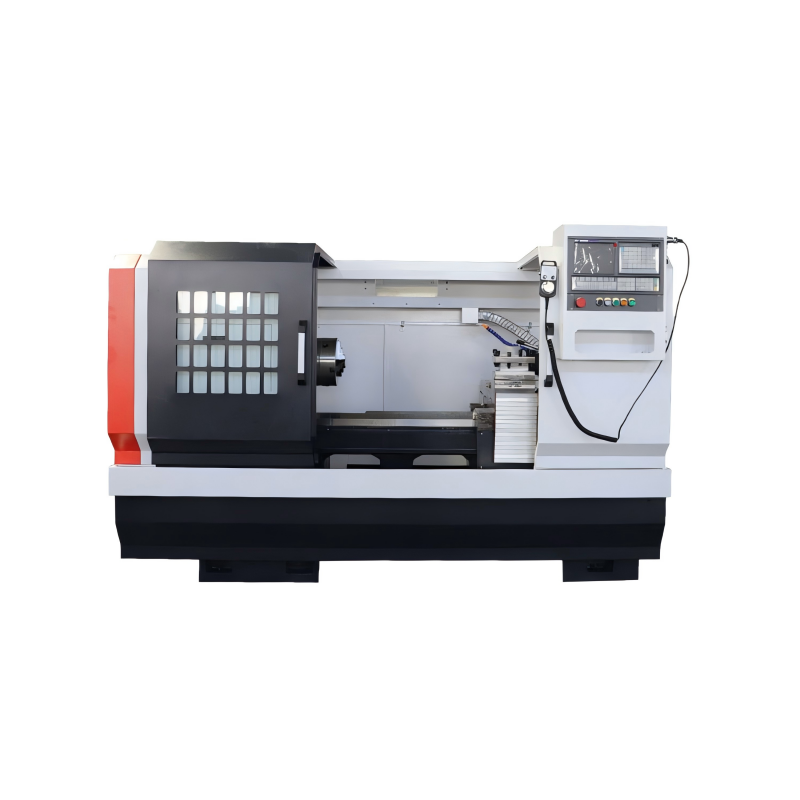
In the realm of advanced manufacturing, turn-mill Machining Centers have emerged as a transformative technology, offering unparalleled efficiency and productivity. This report delves into the key aspects of how these machines are revolutionizing the manufacturing landscape, focusing on their ability to enhance process efficiency, reduce production times, and provide flexibility in manufacturing.
One of the most significant advantages of Turn-mill Machining Centers is their capability to integrate both turning and milling operations within a single machine. Traditionally, these processes were carried out on separate machines, which not only increased the time required for setup and tool changes but also the risk of errors during part transfer. By combining these functions, turn-mill machining centers significantly streamline the manufacturing process, reducing the overall production time and improving accuracy. The integration allows for a more efficient workflow, where the part can be machined in one setup, minimizing the need for repositioning and realignment, thus enhancing the overall efficiency of the operation.
Furthermore, this consolidation reduces the floor space required for multiple machines, making it an ideal solution for manufacturers looking to optimize their factory layout. With the ability to perform complex operations in a single setup, turn-mill machining centers offer a substantial reduction in lead times, allowing for faster delivery of products to the market. This integrated approach not only saves time but also reduces the potential for human error, leading to higher quality finished parts.
Turn-mill machining centers are designed with advanced automation features that significantly reduce setup times. In traditional manufacturing setups, each new job or batch requires a considerable amount of time for setting up the machine, aligning the workpiece, and configuring the tools. With turn-mill machining centers, these tasks are greatly simplified. The machines often come equipped with automatic tool changers, pallet changers, and other automated systems that minimize the need for manual intervention.
Additionally, the use of computer-aided manufacturing (CAM) software allows for the creation of detailed, precise toolpaths that can be directly loaded into the machine. This not only speeds up the setup process but also ensures that the machining operations are performed with high precision and consistency. The reduced setup times mean that the machine can be quickly reconfigured for different jobs, increasing the overall productivity of the manufacturing line. This is particularly beneficial for high-mix, low-volume production environments, where frequent changeovers are common.
Moreover, the advanced control systems and user-friendly interfaces of turn-mill machining centers make it easier for operators to manage and monitor the entire process. Real-time monitoring and diagnostics capabilities allow for quick identification and resolution of any issues, further enhancing the uptime and productivity of the machine.
Another key advantage of turn-mill machining centers is their flexibility in manufacturing complex parts. These machines are capable of performing a wide range of operations, including turning, milling, drilling, tapping, and even grinding, all within a single setup. This versatility makes them ideal for producing intricate and multi-faceted components, such as those found in the aerospace, automotive, and medical industries.
The ability to handle a variety of materials, from metals to composites, further enhances their flexibility. Turn-mill machining centers can be equipped with a range of cutting tools and accessories, allowing for the customization of the machining process to meet the specific requirements of each part. This adaptability means that manufacturers can produce a diverse array of components without the need for multiple specialized machines, reducing both capital investment and operational costs.
Furthermore, the use of advanced programming and simulation tools enables the creation of highly optimized machining strategies. This ensures that the parts are manufactured with the highest possible quality and efficiency. The ability to simulate the entire machining process before actual production helps in identifying and resolving potential issues, thereby reducing the risk of errors and scrap.
Turn-mill machining centers represent a significant advancement in the field of manufacturing, offering a combination of efficiency, productivity, and flexibility. By integrating turning and milling operations, these machines streamline the production process, reducing setup times and increasing overall throughput. Their ability to handle complex parts and a variety of materials makes them a versatile solution for a wide range of applications. As the demand for high-precision, high-quality components continues to grow, turn-mill machining centers will play an increasingly important role in meeting these needs, driving the future of advanced manufacturing.
 26/06/2026
Introduction to Turn-mill Machining CentersTurn-mill machining centers represent a significant advancement in the field of precision engineering. These machines combine the capabilities of turning and milling operations, allowing for the production of com
Read More25/06/2026In the realm of modern manufacturing, the turn-mill machining center has emerged as a pivotal technology, offering a range of advantages that significantly enhance production capabilities. This report delves into the multifaceted benefits of integrating a
Read More12/06/2026On June 11, a delegation of clients from Iraq specializing in flange manufacturing visited our CNC machine tool factory. The visit focused on understanding the comprehensive equipment solutions for specialized flange production workshops.
Read MoreOur professional sales team is always ready to assist you.