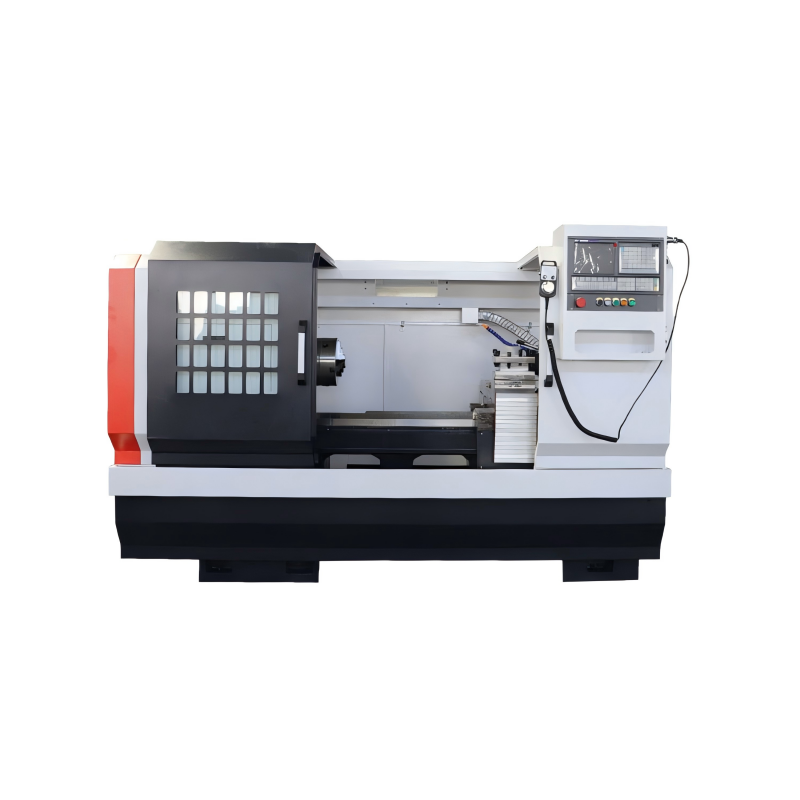
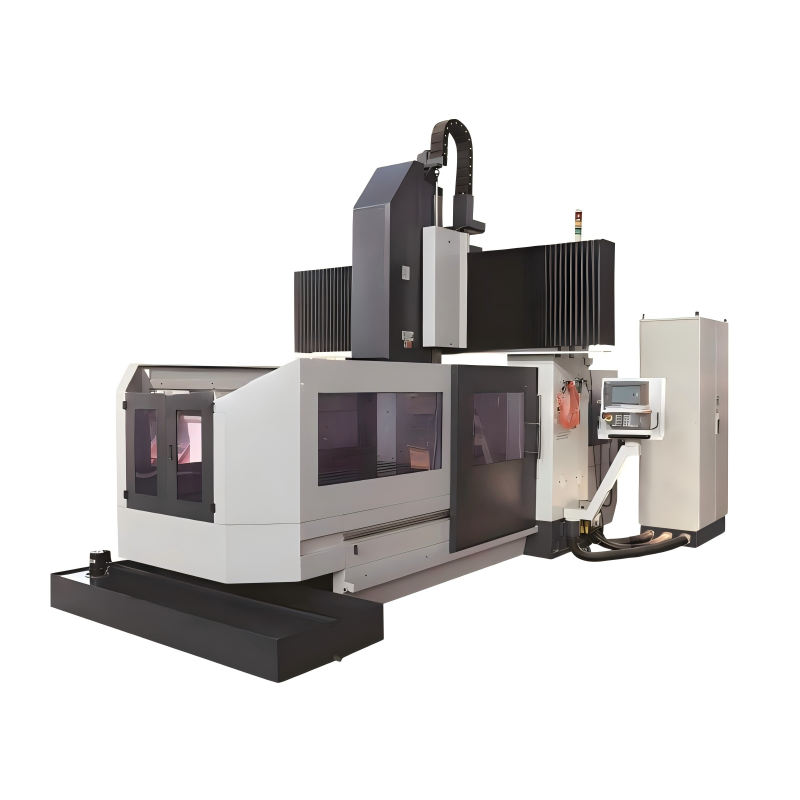
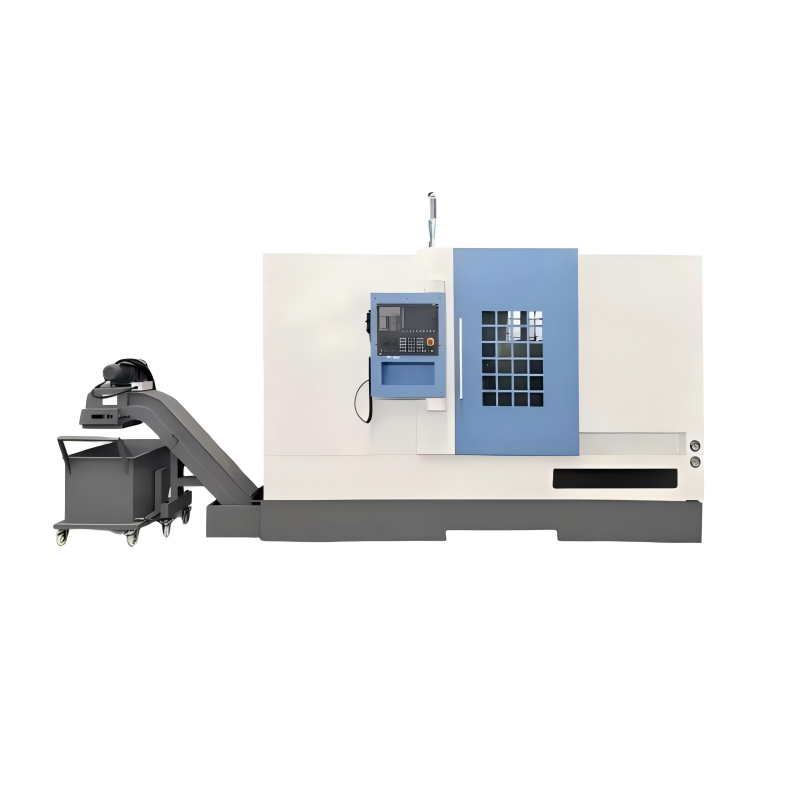
In the realm of modern manufacturing, efficiency is not just a goal but a necessity. As industries strive to increase productivity while maintaining high standards of quality, the adoption of advanced machinery has become more critical than ever. One such piece of equipment that stands out in this context is the CNC Horizontal Machining Center. This article delves into how a CNC Horizontal Machining Center can be utilized to maximize efficiency in manufacturing processes, exploring its key features, operational benefits, and best practices for optimal performance.
A CNC (Computer Numerical Control) Horizontal Machining Center is a versatile machine tool designed to perform a wide range of machining operations with precision and speed. Unlike Vertical Machining Centers, which are oriented vertically, horizontal machining centers have their spindle axis parallel to the worktable, allowing for better chip evacuation and access to multiple sides of the part. This orientation makes them particularly suitable for complex, multi-sided parts and large-scale production runs. The use of computer-aided design (CAD) and computer-aided manufacturing (CAM) software enables operators to program intricate machining paths, ensuring consistent and accurate results across all produced components.
Key features of a CNC Horizontal Machining Center include:
One of the most significant advantages of a CNC Horizontal Machining Center lies in its ability to automate various aspects of the machining process. By integrating these machines with other manufacturing systems, such as robotic arms for loading and unloading, and conveyor belts for part transportation, manufacturers can achieve a seamless, end-to-end workflow. This level of automation not only reduces human intervention but also significantly cuts down on cycle times, leading to higher overall throughput.
Furthermore, the integration of CNC Horizontal Machining Centers with enterprise resource planning (ERP) and manufacturing execution systems (MES) allows for better tracking and management of production data. Real-time visibility into machine status, part quantities, and material usage enables managers to make informed decisions, optimize resource allocation, and identify potential bottlenecks before they impact production. Such integrated solutions contribute to a more agile and responsive manufacturing environment, where adjustments can be made swiftly to meet changing demands or address unforeseen issues.
The precision and repeatability offered by CNC Horizontal Machining Centers are crucial for maintaining high-quality standards, especially in high-volume production scenarios. These machines are equipped with sophisticated feedback mechanisms, such as encoders and sensors, which continuously monitor the position and movement of the cutting tools. Any deviations from the programmed path are immediately detected and corrected, ensuring that each part meets the specified tolerances and surface finish requirements.
To further enhance quality control, many CNC Horizontal Machining Centers come with built-in inspection capabilities, including touch probes and laser scanners. These tools enable in-process measurement and verification, allowing operators to catch any defects early in the production cycle. Additionally, the use of advanced cutting strategies, such as adaptive milling and trochoidal machining, helps to minimize tool wear and extend tool life, thereby reducing the frequency of tool changes and associated downtime. Regular maintenance and calibration of the machine, along with the implementation of a robust preventive maintenance program, are essential to ensure long-term reliability and performance.
Efficient setup and programming play a vital role in maximizing the productivity of a CNC Horizontal Machining Center. To achieve this, it is important to adopt best practices that streamline the entire process, from initial design to final machining. One such practice is the use of modular fixturing systems, which allow for quick and easy setup of workpieces. These systems consist of interchangeable components, such as clamps, locators, and support structures, that can be configured to accommodate a wide variety of part geometries. This flexibility reduces the time and effort required for retooling and setup, enabling faster changeovers between different jobs.
Another key aspect of optimizing machine setup is the development of efficient machining programs. Utilizing CAM software, programmers can generate toolpaths that minimize air cutting, reduce rapid moves, and optimize the sequence of operations. Features like toolpath simulation and collision detection help to identify and resolve potential issues before the program is executed, preventing costly mistakes and downtime. Moreover, the use of macros and subroutines in the programming code allows for the creation of reusable templates, which can be easily modified and applied to similar parts, further accelerating the programming process.
In conclusion, a CNC Horizontal Machining Center is a powerful tool for maximizing efficiency in manufacturing operations. By understanding its capabilities, integrating it with other systems, maintaining high-quality standards, and optimizing setup and programming, manufacturers can unlock the full potential of these machines. The ability to produce complex, high-precision parts at scale, combined with the benefits of automation and real-time monitoring, makes CNC Horizontal Machining Centers an indispensable asset in today's competitive manufacturing landscape. As technology continues to evolve, embracing these advanced solutions will be key to staying ahead and achieving sustainable growth in the industry.
 26/06/2026
CNC Horizontal Machining Centers (HMCs) have become an indispensable part of precision engineering, offering unparalleled accuracy and efficiency in the manufacturing process. These machines are designed to perform a wide range of operations, from simple
Read More25/06/2026In the realm of advanced manufacturing, the CNC Horizontal Machining Center (HMC) stands out as a critical piece of equipment, enabling precision and efficiency in producing complex parts. This article delves into the recent innovations that have transfor
Read MoreOur professional sales team is always ready to assist you.