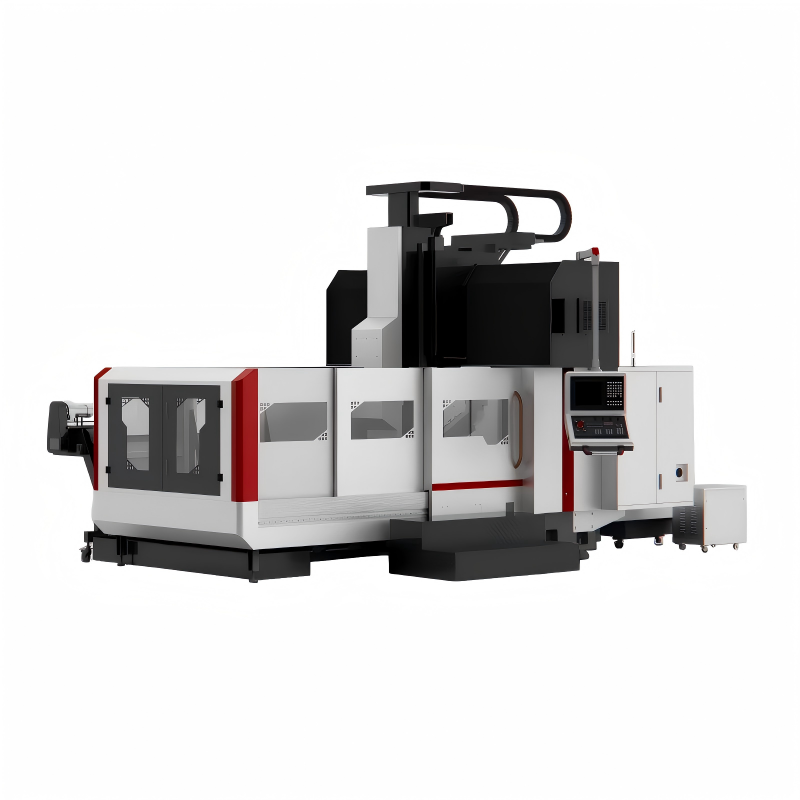
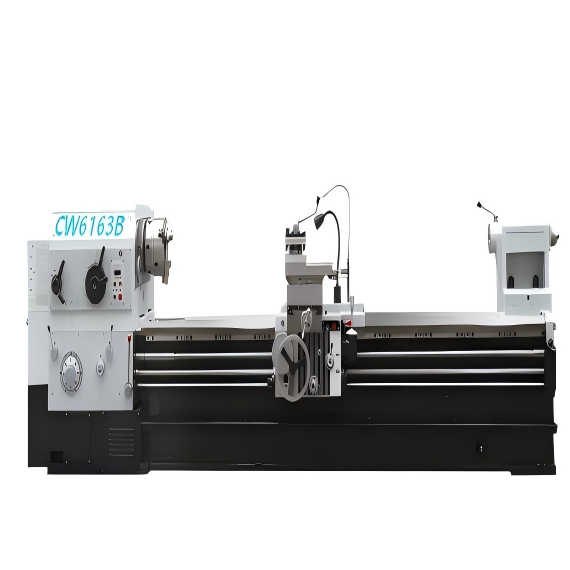
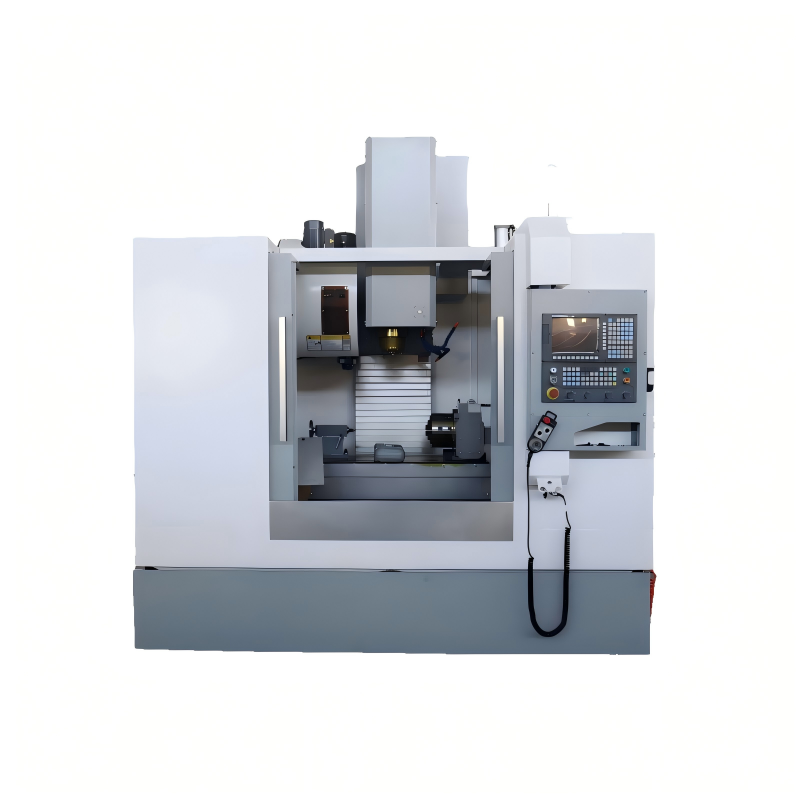
A conventional pipe thread lathe is a specialized machine designed to create threads on pipes, making it an indispensable tool in plumbing and manufacturing industries. This section will provide you with a comprehensive understanding of what a conventional pipe thread lathe is, its components, and how it functions. The core of a conventional pipe thread lathe lies in its ability to cut precise and uniform threads on the exterior or interior of pipes, ensuring a tight and secure fit for various applications. Understanding these basics is crucial for anyone looking to use this machinery effectively.
Proper setup is essential for achieving accurate and efficient results when using a conventional pipe thread lathe. This guide will walk you through the necessary steps to set up your lathe, from selecting the right tools and materials to calibrating the machine. First, ensure that the lathe is placed on a stable and level surface to prevent any vibrations that could affect the quality of the threads. Next, choose the appropriate cutting tool based on the type and size of the pipe you are working with. Finally, adjust the lathe's settings, such as the speed and feed rate, to match the material and desired thread pitch. By following these steps, you can set up your conventional pipe thread lathe for optimal performance.
Mastering the operation of a conventional pipe thread lathe requires both skill and practice. This section will cover key techniques to help you achieve precision and efficiency in your work. Start by familiarizing yourself with the controls and movements of the lathe. Practice moving the carriage and adjusting the cutting tool to get a feel for the machine. When threading, apply consistent pressure and maintain a steady speed to ensure uniformity. Additionally, regular maintenance and cleaning of the lathe are crucial to keep it in top condition. By adhering to these operating techniques, you can produce high-quality threads consistently.
Even with proper setup and operation, issues can arise when using a conventional pipe thread lathe. This section will address common problems and provide solutions to help you troubleshoot effectively. One common issue is uneven or incomplete threads, which can be caused by incorrect tool alignment or improper feed rates. To resolve this, double-check the tool's position and adjust the feed rate as needed. Another issue is excessive wear on the cutting tool, which can be mitigated by regularly sharpening or replacing the tool. By being aware of these potential problems and knowing how to address them, you can minimize downtime and ensure smooth operation of your conventional pipe thread lathe.
Regular maintenance is essential for keeping your conventional pipe thread lathe in optimal condition and extending its lifespan. This section will outline the key maintenance tasks you should perform, including cleaning, lubrication, and inspection. Regularly clean the lathe to remove any debris or metal shavings that can accumulate and cause damage. Lubricate moving parts to reduce friction and wear. Inspect the lathe for any signs of wear or damage, and replace worn components as needed. By following these maintenance practices, you can ensure that your conventional pipe thread lathe remains reliable and efficient for years to come.
 29/06/2026
Introduction to Conventional Pipe Thread Lathe A conventional pipe thread lathe is a specialized machine designed for the production of threads on pipes, making it an essential tool in various industries such as plumbing, oil and gas, and manufacturing. T
Read More28/06/2026The conventional pipe thread lathe, a staple in the manufacturing and maintenance industries, has been instrumental in producing high-quality threaded pipes for various applications. This report aims to explore how the use of a conventional pipe thread la
Read More26/06/2026In the ever-evolving landscape of modern manufacturing, the role of conventional pipe thread lathe has become increasingly significant. This tool, often overlooked in favor of more advanced machinery, continues to play a vital part in various industries,
Read More25/06/2026The field of machining has seen significant advancements over the years, yet the conventional pipe thread lathe remains a cornerstone in many industrial applications. This report aims to explore the precision and effectiveness of conventional pipe thread
Read MoreOur professional sales team is always ready to assist you.