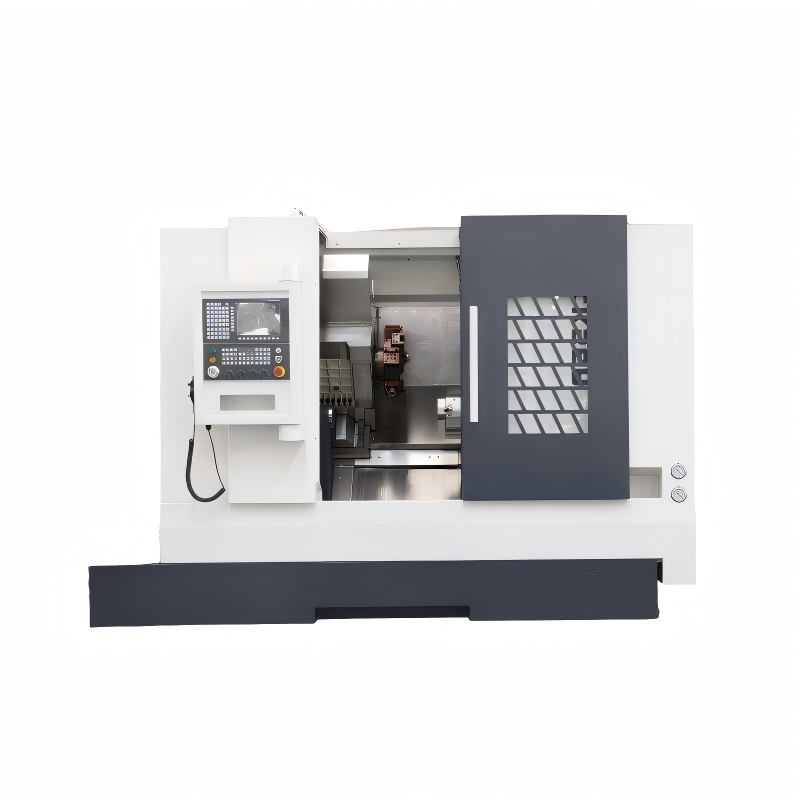
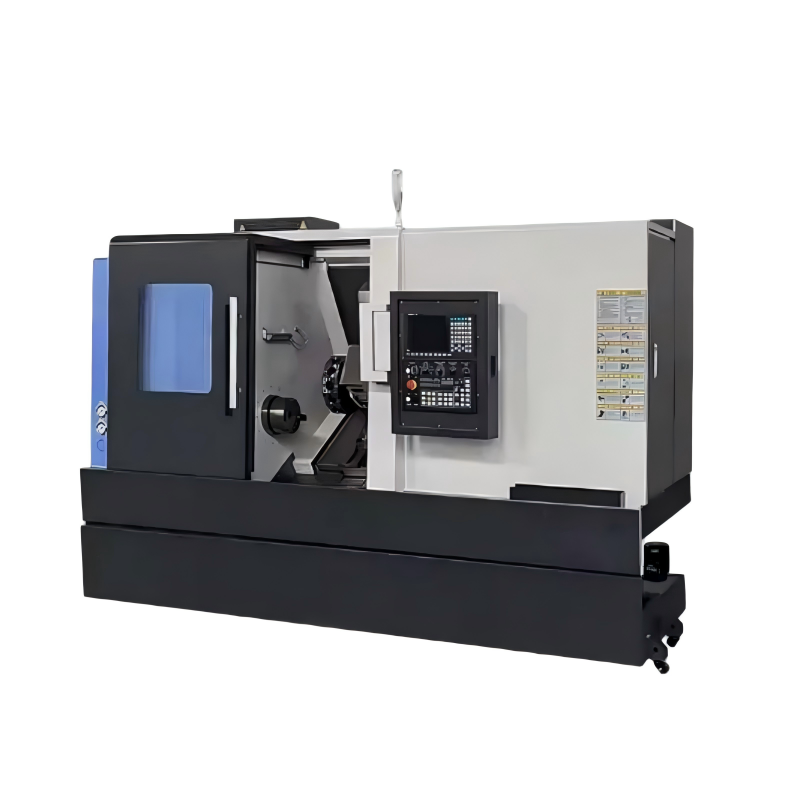
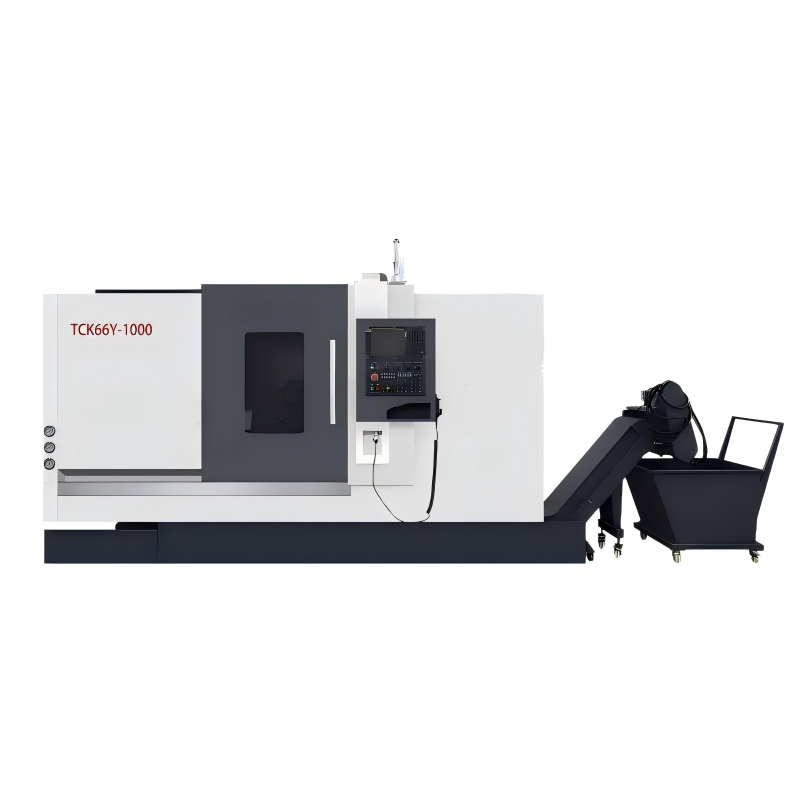
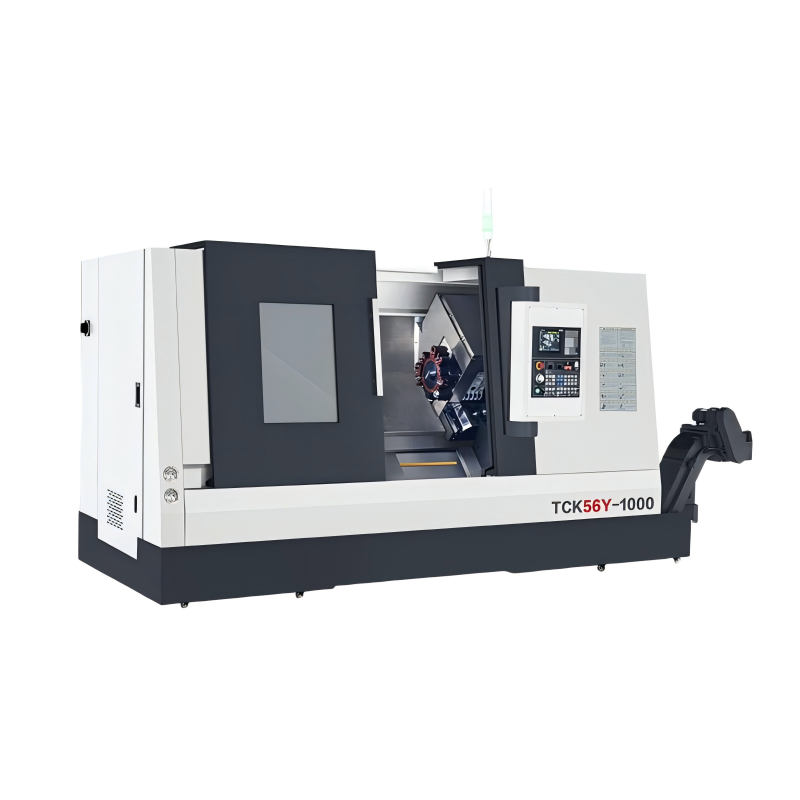
The reliability and precision of a CNC turning center are directly influenced by how well it is maintained. This section will explore why regular maintenance is not just beneficial but essential, ensuring your machine operates at its peak performance while minimizing downtime.
One of the most compelling reasons to maintain your CNC turning center regularly is to avoid unexpected breakdowns that can lead to significant production delays. By identifying potential issues before they escalate, you can plan necessary repairs or replacements during scheduled downtimes, thereby maintaining a steady workflow.
Proper care and maintenance extend the life of your equipment. A well-maintained CNC turning center is less likely to experience premature wear and tear, meaning it remains operational longer, providing a better return on investment over time. Regular checks, cleaning, and timely replacement of worn parts are key to achieving this longevity.
Maintenance also plays a crucial role in the quality of products manufactured. As components within the machine degrade over time, their accuracy and repeatability may diminish, affecting the dimensional stability and surface finish of the final product. Regular upkeep helps maintain these standards, ensuring consistent output quality.
Knowing which parts of the CNC turning center require special attention is vital for effective maintenance. This segment highlights three critical areas that should be inspected and serviced regularly to keep the machine running smoothly.
The spindle, being the heart of any Turning and Milling Machine, demands regular inspection and servicing. Spindle bearings, in particular, are prone to wear due to high-speed rotation under load. Checking for unusual noises, vibrations, or overheating can help detect problems early, allowing for preventive action to be taken. Proper lubrication is also crucial to reduce friction and prevent excessive heat generation, which could otherwise shorten the lifespan of the spindle assembly.
An often overlooked yet equally important component is the coolant system. It serves multiple purposes, including cooling the workpiece and cutting tool, washing away chips, and providing lubrication. Ensuring the coolant is clean, at the correct concentration, and flowing properly through all nozzles is essential. Regularly checking and cleaning filters, tanks, and lines prevents blockages and ensures optimal performance of the machining process.
While mechanical components are fundamental, the control panel and software are the brain behind operations. Keeping the control panel dust-free and inspecting for any loose connections or damaged wires is important. Additionally, staying up-to-date with the latest software updates provided by the manufacturer can improve machine functionality, introduce new features, and fix bugs, contributing to overall efficiency and productivity.
Creating and adhering to a structured maintenance plan is the cornerstone of keeping your CNC turning center in top condition. Here, we outline strategies for developing such a schedule, emphasizing the importance of documentation, training, and continuous improvement.
A comprehensive checklist serves as a roadmap for maintenance activities. It should include daily, weekly, monthly, and annual tasks, specifying what needs to be checked, cleaned, or replaced. Each task should have clear instructions, making it easy for technicians to follow. Moreover, checklists help ensure consistency in maintenance practices, reducing the risk of oversight.
Effective maintenance depends heavily on the skills and knowledge of those performing the tasks. Investing in training programs for maintenance personnel ensures they are familiar with the specific requirements of the CNC turning center. Certifying them after training further validates their competence, giving you confidence that the machine is in capable hands. Continuous education on new technologies and methodologies is also beneficial, as it keeps the team's expertise current.
No maintenance program is perfect from the outset; there is always room for improvement. Establishing a feedback loop where maintenance outcomes are reviewed, and adjustments are made based on findings, is a best practice. Utilizing data collected from machine sensors, error logs, and even operator observations can provide insights into patterns or recurring issues, guiding the refinement of the maintenance strategy. This iterative approach leads to more efficient and effective maintenance processes over time.
 04/06/2026
Understanding the Core Requirements for High-Precision In the realm of manufacturing, where precision is paramount, the choice of a turning and milling machine can significantly impact the quality and efficiency of production. A high-precision milling mac
Read More03/06/2026The automotive industry is one of the most technologically advanced and competitive sectors globally. The production of high-precision, durable, and cost-effective parts is crucial for maintaining a competitive edge. Among the many tools and machines used
Read More02/06/2026Advancements in Control Systems for Enhanced Precision Integration of AI and Machine Learning The integration of artificial intelligence (AI) and machine learning (ML) into the control systems of turning and milling machines represents a significant leap
Read More31/05/2026Choosing the right turning and milling machine for your workshop is a decision that can significantly impact the efficiency, quality, and versatility of your operations. This guide aims to provide you with comprehensive insights into making an informed ch
Read More30/05/2026Understanding the Fundamental Capabilities of a Milling Machine A milling machine, often referred to as a turning and milling machine when equipped with additional functionalities, is an indispensable tool in modern manufacturing. This section explores th
Read More29/05/2026In the dynamic landscape of modern manufacturing, the choice of machinery plays a pivotal role in determining the efficiency, quality, and cost-effectiveness of production processes. One such versatile and indispensable tool is the turning and milling mac
Read More28/05/2026Understanding the Core Components of a CNC Milling MachineThe foundation of any CNC (Computer Numerical Control) milling machine lies in its robust construction and the precision of its components. These machines are designed to perform complex cutting op
Read MoreOur professional sales team is always ready to assist you.