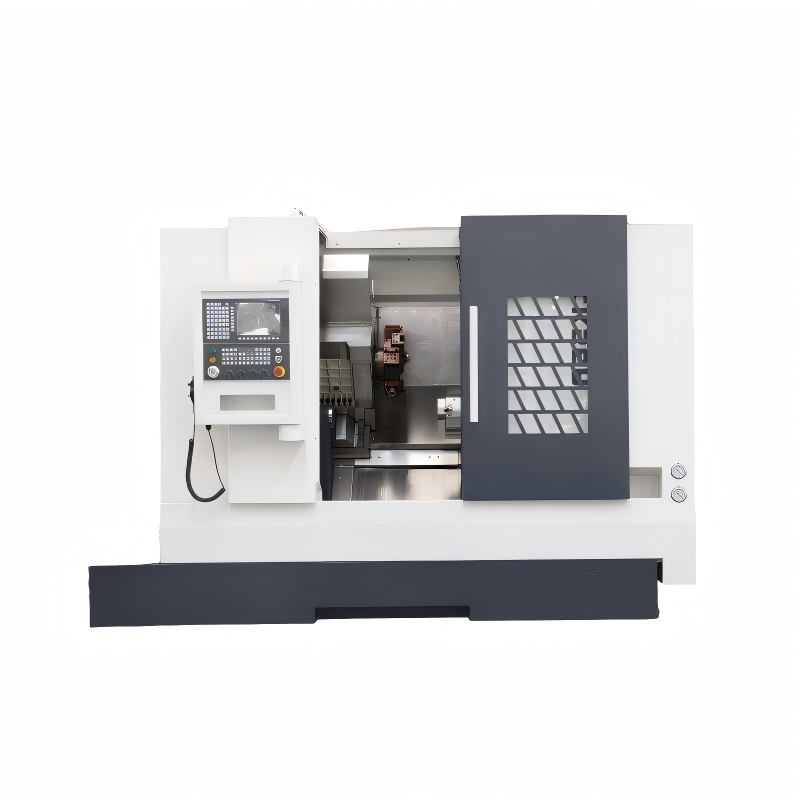
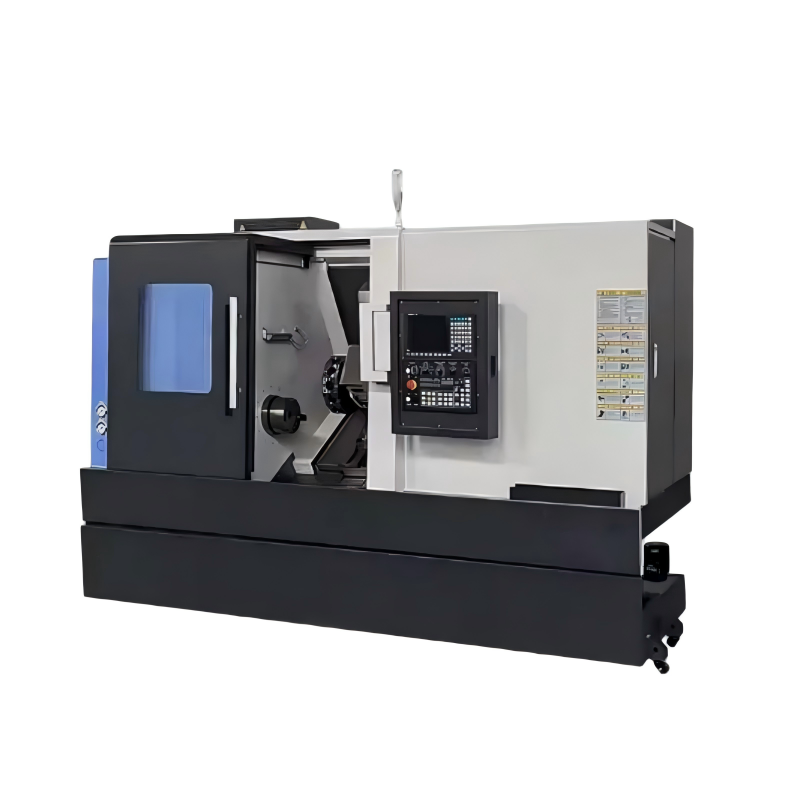
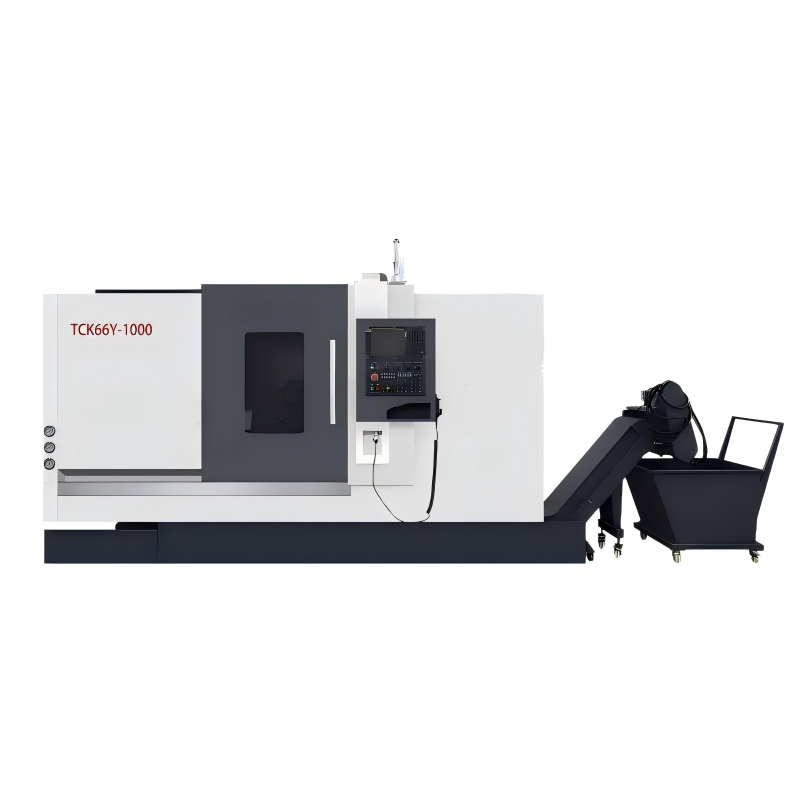
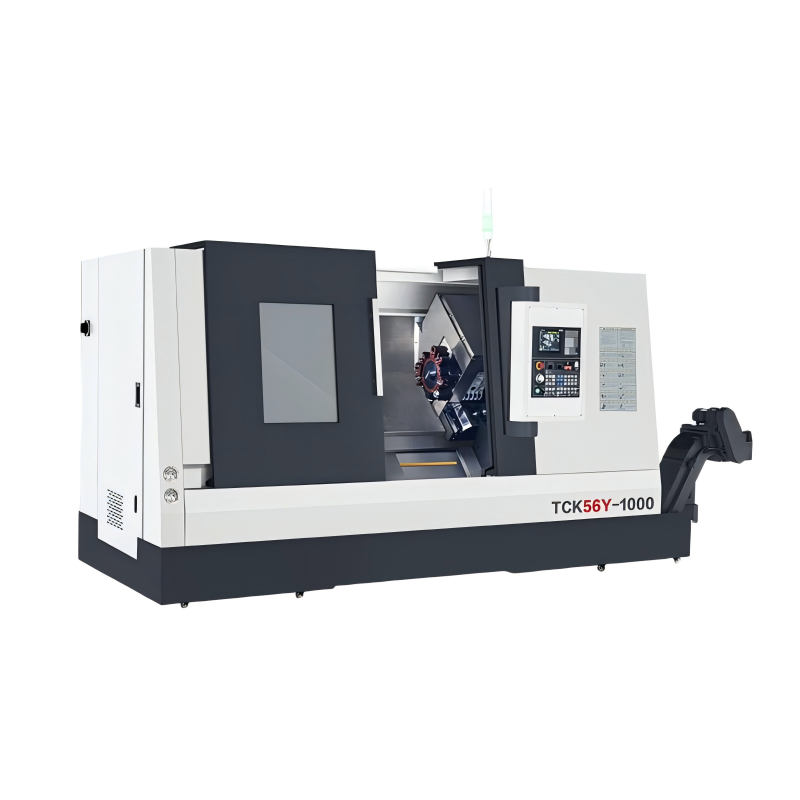
The integration of artificial intelligence (AI) and machine learning (ML) into the control systems of Turning and Milling Machines represents a significant leap forward in terms of precision. These technologies enable machines to learn from past operations, making adjustments in real-time to optimize performance. This not only improves the accuracy of the work but also reduces the need for manual intervention, leading to more consistent results.
Another key development is the use of adaptive control mechanisms. Such systems can adjust their parameters based on the material being processed, tool wear, and other factors. By continuously monitoring these variables, the machine can automatically make necessary corrections, ensuring that the final product meets the required specifications with minimal deviation. This capability significantly enhances the overall efficiency and reliability of the manufacturing process.
Real-time monitoring and feedback systems have become increasingly sophisticated, allowing for immediate detection and correction of errors. Sensors placed throughout the machine provide data on various aspects of the operation, such as temperature, vibration, and force. This information is then analyzed by the system, which can take corrective actions if any anomalies are detected. The result is a more stable and predictable production environment, reducing waste and improving quality.
One of the most impactful innovations in milling machine technology is the introduction of automated tool changers. These devices allow for the rapid and precise exchange of tools during the machining process, eliminating the downtime associated with manual changes. This not only speeds up the production cycle but also reduces the risk of human error, resulting in higher productivity and better part quality.
The integration of robotics into the material handling process has further streamlined operations. Robots can be programmed to load and unload parts, perform inspections, and even conduct some of the machining tasks. This level of automation allows for 24/7 operation, maximizing the utilization of the machine and reducing labor costs. Additionally, robots can handle repetitive and physically demanding tasks, freeing up human operators to focus on more complex and value-added activities.
Advanced workholding solutions, such as zero-point clamping systems and modular fixturing, have also played a crucial role in increasing efficiency. These systems provide a secure and repeatable way to hold workpieces, ensuring that they remain in the correct position throughout the machining process. This not only improves the accuracy of the final product but also reduces setup times, allowing for faster changeovers and increased throughput.
Modern turning and milling machines are increasingly equipped with energy-saving drive systems. These systems use advanced motor technologies and control algorithms to minimize power consumption without compromising performance. For example, regenerative braking systems can capture and reuse energy that would otherwise be lost, while variable speed drives adjust the motor speed to match the requirements of the task, reducing energy waste.
Cooling and lubrication systems have been optimized to reduce energy consumption and improve sustainability. High-efficiency pumps and chillers, combined with smart control systems, ensure that only the necessary amount of coolant or lubricant is used. This not only saves energy but also reduces the environmental impact by minimizing the amount of fluids that need to be disposed of. Additionally, the use of biodegradable and non-toxic fluids further enhances the eco-friendliness of the process.
Turning and milling machine manufacturers are also focusing on recycling and waste reduction initiatives. This includes the design of machines that generate less waste, such as swarf and chips, and the implementation of systems to collect and recycle these materials. By reusing or repurposing waste products, manufacturers can reduce their environmental footprint and contribute to a more sustainable manufacturing industry. Furthermore, the adoption of lean manufacturing principles helps to minimize waste at every stage of the production process, from raw material procurement to final assembly.
 04/06/2026
Understanding the Core Requirements for High-Precision In the realm of manufacturing, where precision is paramount, the choice of a turning and milling machine can significantly impact the quality and efficiency of production. A high-precision milling mac
Read More03/06/2026The automotive industry is one of the most technologically advanced and competitive sectors globally. The production of high-precision, durable, and cost-effective parts is crucial for maintaining a competitive edge. Among the many tools and machines used
Read More01/06/2026Understanding the Importance of Regular Maintenance for CNC Turning Centers The reliability and precision of a CNC turning center are directly influenced by how well it is maintained. This section will explore why regular maintenance is not just beneficia
Read More31/05/2026Choosing the right turning and milling machine for your workshop is a decision that can significantly impact the efficiency, quality, and versatility of your operations. This guide aims to provide you with comprehensive insights into making an informed ch
Read More30/05/2026Understanding the Fundamental Capabilities of a Milling Machine A milling machine, often referred to as a turning and milling machine when equipped with additional functionalities, is an indispensable tool in modern manufacturing. This section explores th
Read More29/05/2026In the dynamic landscape of modern manufacturing, the choice of machinery plays a pivotal role in determining the efficiency, quality, and cost-effectiveness of production processes. One such versatile and indispensable tool is the turning and milling mac
Read More28/05/2026Understanding the Core Components of a CNC Milling MachineThe foundation of any CNC (Computer Numerical Control) milling machine lies in its robust construction and the precision of its components. These machines are designed to perform complex cutting op
Read MoreOur professional sales team is always ready to assist you.