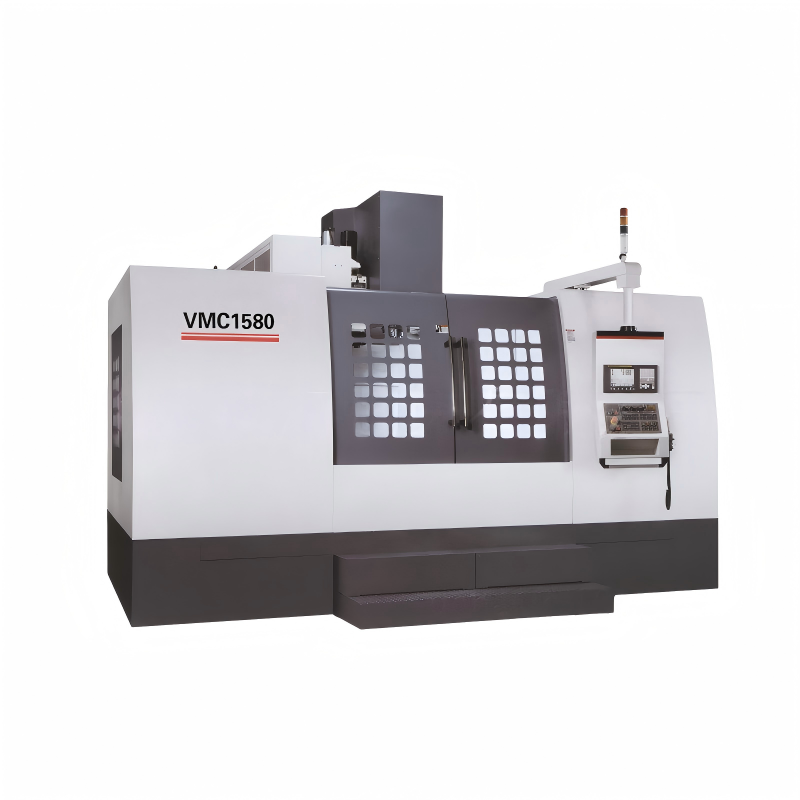
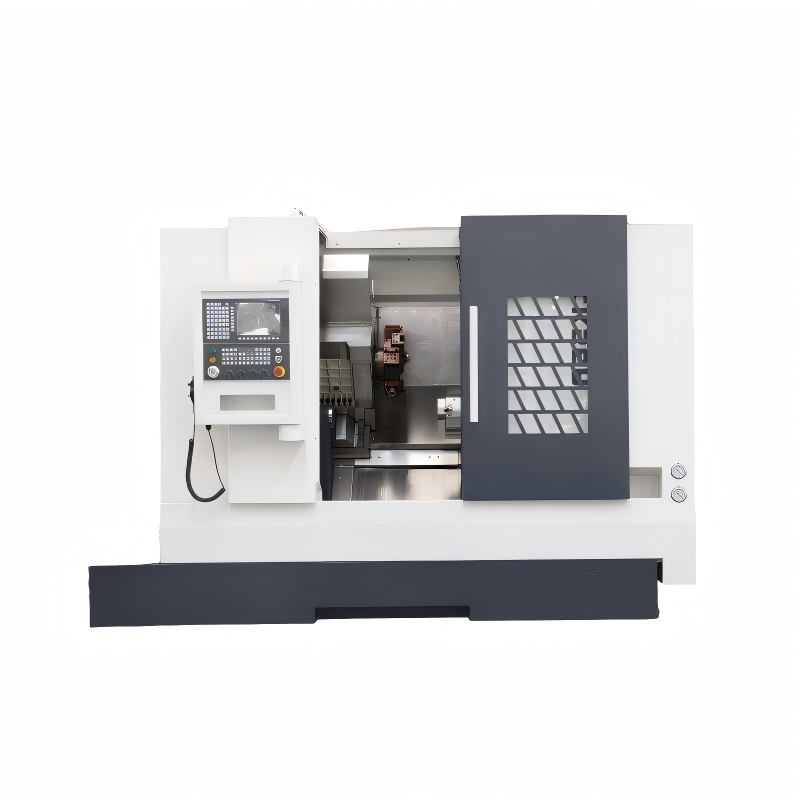
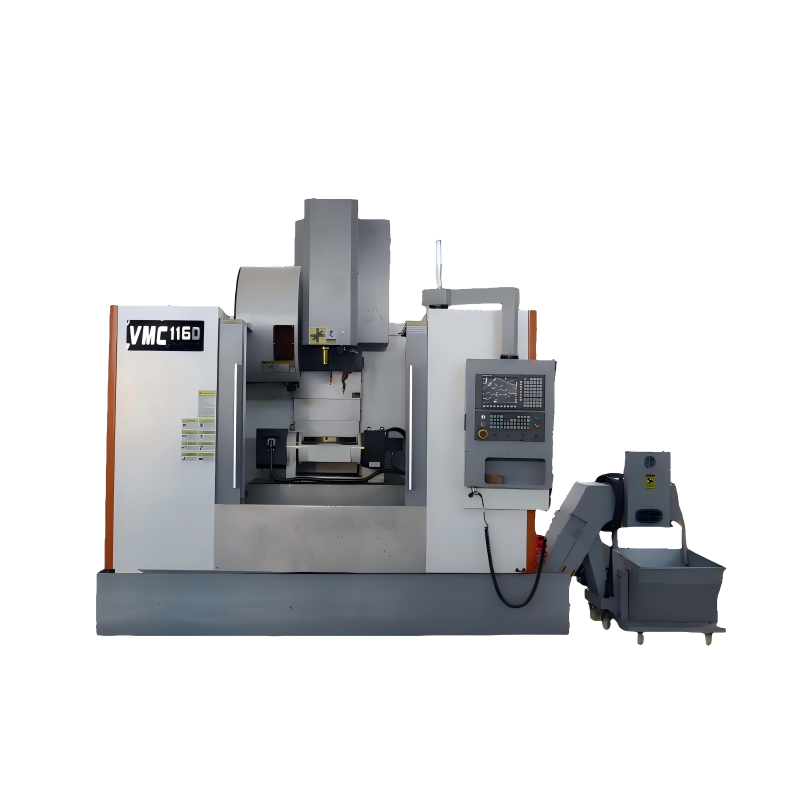
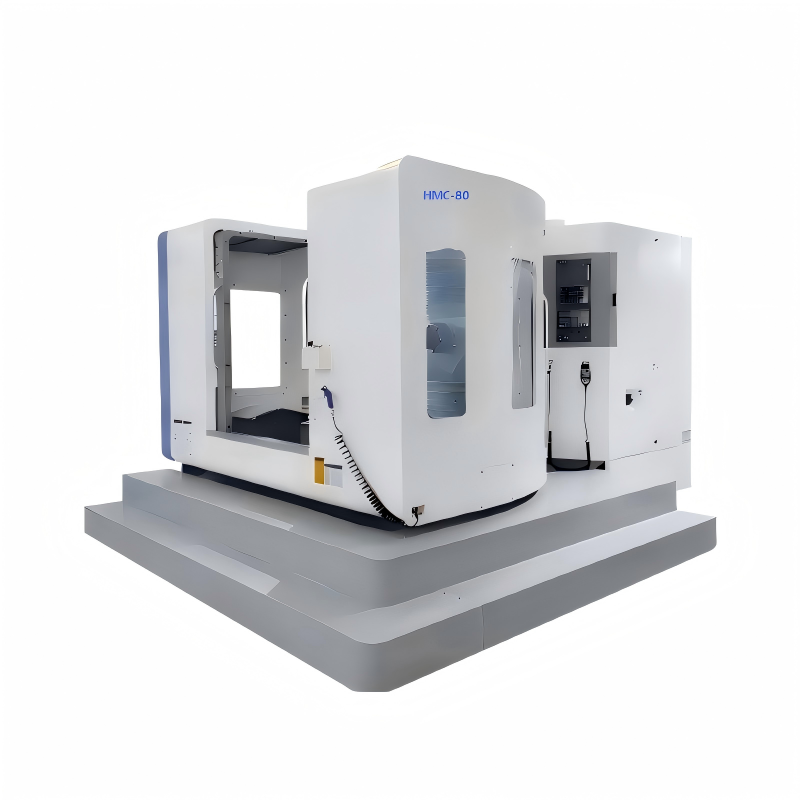
A precision milling machine system is an essential tool in the manufacturing and engineering industries, used for creating intricate and precise parts. Maintaining such a sophisticated piece of equipment requires a comprehensive understanding of its components, regular upkeep, and adherence to best practices. This guide aims to provide a detailed overview of how to maintain your precision milling machine effectively. It covers the importance of regular maintenance, the key components that require attention, and the steps to troubleshoot common issues. By following these guidelines, you can ensure that your precision milling machine operates at peak performance, thereby extending its lifespan and improving the quality of your work.
Preventive maintenance is crucial for the longevity and optimal performance of a precision milling machine system. Regular inspections and timely repairs can prevent minor issues from escalating into major problems, reducing downtime and maintenance costs. Implementing a preventive maintenance schedule involves setting specific intervals for checking and servicing critical components, such as the spindle, cutting tools, and lubrication systems. By adhering to this schedule, operators can detect and address potential issues before they affect the machine's accuracy and efficiency.
Neglecting regular maintenance can have severe consequences for both the machine and the overall productivity of the operation. Over time, wear and tear on the machine's components can lead to decreased precision, increased energy consumption, and higher failure rates. For example, a worn-out spindle can cause vibrations and inaccuracies in the milled parts, resulting in defective products and rework. Additionally, neglecting to replace or sharpen cutting tools regularly can lead to poor surface finishes and reduced tool life. By maintaining the machine properly, operators can avoid these issues and ensure consistent, high-quality output.
The spindle is one of the most critical components of a precision milling machine system, as it directly affects the accuracy and finish of the milled parts. Regular maintenance of the spindle includes checking for proper alignment, ensuring adequate lubrication, and inspecting for signs of wear or damage. Misalignment can cause excessive vibration and uneven cutting, leading to poor part quality. Lubrication is essential to reduce friction and heat, which can otherwise cause premature wear and failure. Additionally, the cutting tools must be regularly inspected and replaced or resharpened as needed to maintain their sharpness and effectiveness.
Proper lubrication and cooling are vital for the smooth and efficient operation of a precision milling machine system. The lubrication system should be checked regularly to ensure that all moving parts, such as bearings and gears, are adequately lubricated. This reduces friction, minimizes wear, and prevents overheating. The cooling system, typically consisting of coolant and a pump, helps to dissipate heat generated during the milling process. Regularly checking and cleaning the coolant reservoir and filters, as well as monitoring the coolant levels and quality, are essential to prevent clogging and ensure effective heat dissipation. Proper maintenance of these systems not only extends the machine's lifespan but also improves the quality of the milled parts.
Vibration and noise are common issues that can indicate underlying problems with a precision milling machine system. Excessive vibration can be caused by misaligned spindles, worn-out bearings, or imbalanced cutting tools. To resolve these issues, operators should first check the spindle for proper alignment and ensure that all mounting bolts are tightened. If the problem persists, inspect the bearings for wear and replace them if necessary. Additionally, balancing the cutting tools can help reduce vibrations and improve the surface finish of the milled parts. Regularly monitoring and addressing these issues can prevent further damage and maintain the machine's precision and efficiency.
Regular cleaning and calibration are essential for maintaining the accuracy and performance of a precision milling machine system. Cleaning should include removing chips, dust, and other debris from the machine's surfaces and components. This can be done using compressed air, brushes, and appropriate cleaning solutions. Calibration, on the other hand, ensures that the machine's settings and measurements are accurate. This involves checking and adjusting the machine's axes, ensuring that the tool offsets are correct, and verifying the accuracy of the digital readouts. Following these best practices will help maintain the machine's precision and ensure that it produces high-quality parts consistently.
 08/06/2026
In the realm of advanced manufacturing, a precision milling machine system is indispensable for achieving high-accuracy and complex geometries. This technical report aims to provide expert advice on optimizing your precision milling workflow, ensuring max
Read More08/06/2026In the realm of manufacturing, precision milling machines have become indispensable tools for achieving high accuracy and efficiency in component production. This report delves into the key features that define modern precision milling machine systems, fo
Read More07/06/2026In today's competitive manufacturing landscape, the adoption of a high-performance precision milling machine system is crucial for maximizing productivity and maintaining a competitive edge. This report explores how such systems not only enhance the accur
Read More07/06/2026In the ever-evolving landscape of manufacturing, precision milling machine systems stand as a cornerstone of modern industrial production. As technology advances, these systems are becoming more sophisticated, offering unparalleled accuracy and efficiency
Read More06/06/2026In the realm of modern manufacturing, the evolution of precision milling machine systems has played a pivotal role in shaping industrial practices. This report delves into the recent advancements in precision milling technology, highlighting their impact
Read More05/06/2026In the realm of modern manufacturing, the demand for high-accuracy components has never been greater. Precision milling machine systems play a crucial role in meeting these demands, offering unparalleled accuracy and efficiency. This report explores how p
Read More05/06/2026Choosing the right precision milling machine system for your specific needs is a critical decision that can significantly impact the quality and efficiency of your manufacturing processes. This guide aims to provide an in-depth analysis, covering key aspe
Read More04/06/2026In the realm of manufacturing, precision is not just a preference but a necessity. A precision milling machine system stands at the heart of this requirement, offering solutions that are both accurate and efficient for a wide range of applications. This g
Read More04/06/2026In today's rapidly evolving manufacturing landscape, the integration of advanced technologies into precision milling machine systems has become a critical factor for enhancing operational efficiency and product quality. This technical report explores how
Read More04/06/2026In the realm of modern manufacturing, precision milling machines play a crucial role in producing high-accuracy components. The integration of advanced software into these systems has revolutionized how milling operations are conducted, enhancing not only
Read More04/06/2026In today's fast-paced manufacturing environment, the integration of a precision milling machine system can significantly enhance the efficiency and output quality of production lines. This technical report explores how such a system not only improves the
Read More04/06/2026In the rapidly evolving landscape of modern manufacturing, precision milling machine systems have emerged as a cornerstone technology, offering unparalleled accuracy and efficiency. This report delves into the advantages that precision milling brings to t
Read More04/06/2026In the realm of modern manufacturing, precision milling machine systems play a crucial role in producing high-accuracy components. The integration of advanced software into these systems has revolutionized the way parts are designed, manufactured, and ins
Read MoreOur professional sales team is always ready to assist you.