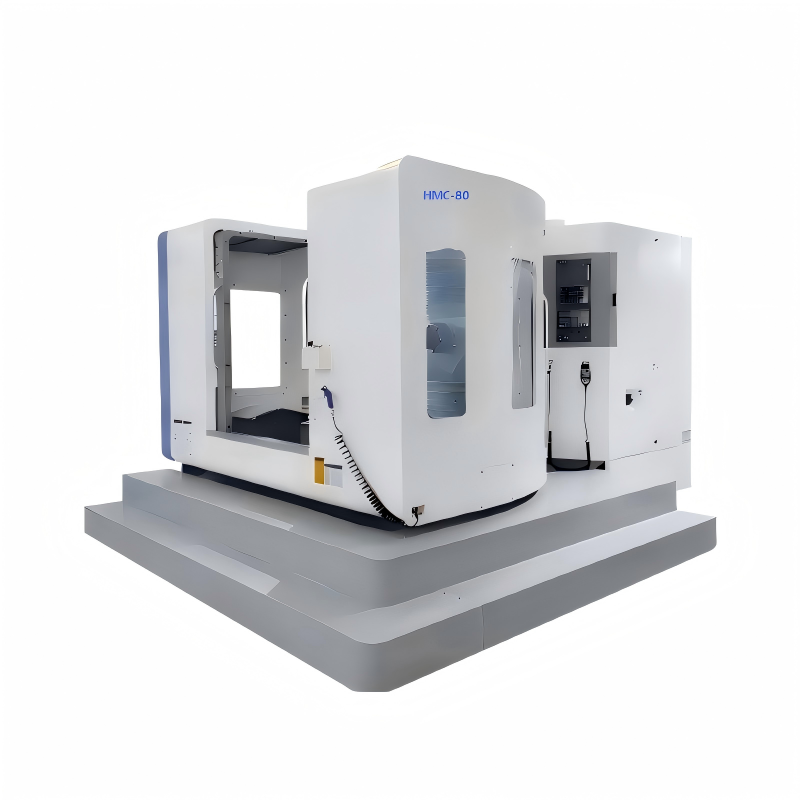
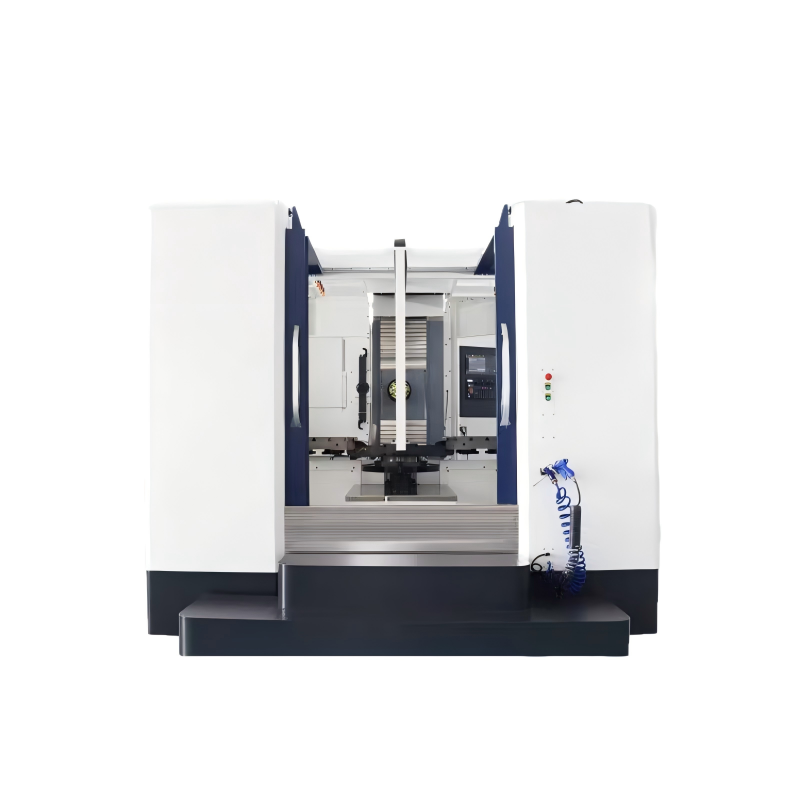
In the rapidly evolving landscape of modern manufacturing, achieving high-speed linear motion control has become a critical factor for enhancing productivity and precision. This is particularly true in the machining of large diameter pipe threads using CNC lathes. The integration of advanced technologies and innovative solutions has enabled manufacturers to achieve unprecedented levels of efficiency and accuracy. This report will explore the key aspects of high-speed linear motion control, focusing on its application in large diameter pipe thread CNC Lathes.
CNC (Computer Numerical Control) lathes have revolutionized the way large diameter pipe threads are machined. These machines offer unparalleled precision and repeatability, making them indispensable in industries such as oil and gas, where the quality of pipe threads can significantly impact the integrity and safety of pipelines. The use of CNC lathes allows for the automation of complex operations, reducing human error and increasing production rates. In the context of large diameter pipe thread machining, the ability to maintain high-speed linear motion control is crucial for ensuring that the threads are cut accurately and efficiently.
High-speed linear motion control systems are composed of several key components, each playing a vital role in the overall performance of the machine. These components include:
Together, these components work in harmony to achieve high-speed linear motion control, which is essential for the efficient and precise machining of large diameter pipe threads.
While high-speed linear motion control offers significant benefits, it also presents several challenges that must be addressed. One of the primary challenges is the management of vibrations and resonance, which can occur at high speeds and affect the accuracy and stability of the machining process. To mitigate these issues, manufacturers employ various strategies, including:
By addressing these challenges, manufacturers can achieve high-speed linear motion control that meets the stringent requirements of large diameter pipe thread machining.
The field of high-speed linear motion control is continuously evolving, with new technologies and innovations emerging to further enhance performance. Some of the key trends and innovations include:
These trends and innovations hold great promise for the future of high-speed linear motion control, particularly in the context of Large diameter pipe thread CNC lathes. As these technologies continue to advance, they will play an increasingly important role in driving the evolution of modern manufacturing.
Achieving high-speed linear motion control is a critical aspect of modern manufacturing, especially in the machining of large diameter pipe threads using CNC lathes. The integration of advanced components, such as linear motors, position sensors, and control algorithms, along with effective solutions to manage vibrations and resonance, enables manufacturers to achieve high levels of precision and efficiency. Looking ahead, the continued development of AI, advanced materials, and modular designs will further enhance the capabilities of high-speed linear motion control systems, driving the future of manufacturing forward.
 16/06/2026
With the increasing demand for high-precision machining in various industries, the need for advanced CNC (Computer Numerical Control) lathes that can handle large diameter pipe threading has become more pronounced. This report delves into how state-of-the
Read More16/06/2026The manufacturing of large diameter pipe threads is a complex and demanding process that requires precision, reliability, and efficiency. With the advent of advanced technologies such as Computer Numerical Control (CNC) lathes, the industry has seen signi
Read More16/06/2026In today’s industrial landscape, the demand for efficient and precise machining processes has never been higher. One of the critical areas where this demand is particularly evident is in the production of large diameter pipe threads. The advent of Large d
Read More16/06/2026The advancement in manufacturing technology has significantly transformed the way large diameter pipe threads are produced, with Computer Numerical Control (CNC) lathes playing a pivotal role. This report delves into the critical aspect of precision in th
Read More16/06/2026The advent of large diameter pipe thread CNC lathe technology has revolutionized the way industries approach pipe machining. This report delves into how advanced CNC lathes have become indispensable for large diameter pipe machining, offering unparalleled
Read MoreOur professional sales team is always ready to assist you.